Prosecutors Drop Weinstein Rape Charge After Years of Deadlocked Juries and Legal Exhaustion
After nearly a decade of courtroom battles, retrials, and repeated jury deadlocks, Manhattan prosecutors have officially dropped a third-degree rape charge against Harvey Weinstein, marking another pivotal turn in one of the most closely watched legal sagas in modern entertainment history.
The decision does not erase the broader criminal consequences Weinstein continues to face, but it does close one chapter in a case that has stretched across multiple trials, appeals, and shifting legal standards in New York’s high-profile reckoning with sexual assault allegations.
At the center of the dropped charge is Jessica Mann, whose testimony became one of the most contested elements of the proceedings and whose account was presented before multiple juries that ultimately failed to reach a consensus.
Why the Rape Charge Was Dropped After Two Mistrials
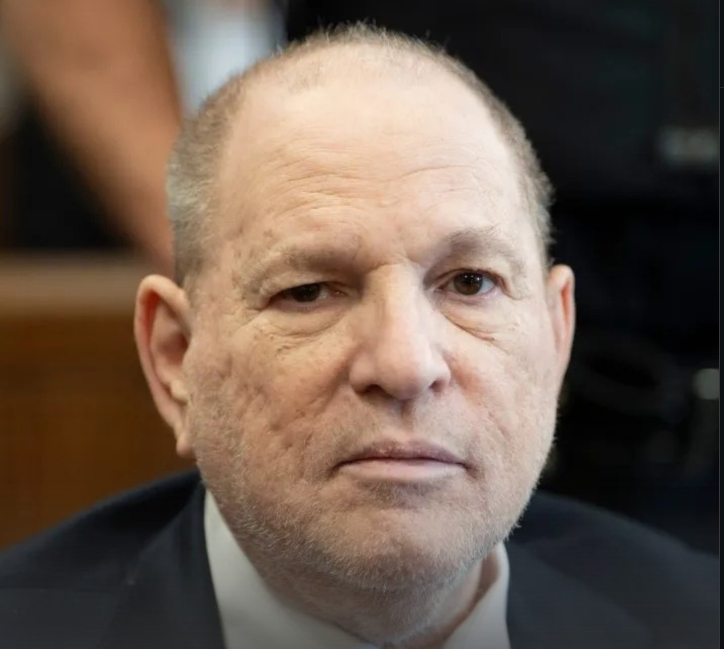
Prosecutors said the decision to dismiss the charge was driven in part by Mann’s reluctance to endure yet another trial. After years of testimony across grand juries and trial juries, she indicated she could no longer continue participating in what had become an emotionally and psychologically draining legal process.
Manhattan District Attorney Alvin Bragg acknowledged her credibility while also signaling the practical limits of pursuing repeated prosecutions when juries remain unable to reach unanimity.
The case had already been presented to juries multiple times, with outcomes consistently landing in mistrials on the specific rape allegation. Rather than proceed toward a fourth trial, prosecutors chose to withdraw the charge while continuing to pursue sentencing on related convictions that remain intact.
The Weight of a Nearly Decade-Long Legal Battle
Few criminal cases in recent memory have stretched across as many procedural phases as the proceedings involving Harvey Weinstein. The dropped charge represents just one piece of a broader legal framework that includes overturned convictions, retrials, and partial verdicts.
Weinstein was initially convicted in 2020 on multiple counts involving separate accusers. That verdict was later overturned by New York’s highest court in 2024, sending portions of the case back for retrial.
At a subsequent trial, Weinstein was again convicted on charges involving former production assistant Miriam Haley, while jurors could not agree on the allegations brought by Jessica Mann. That split outcome set the stage for continued legal maneuvering, including the now-dismissed charge.
Victim Testimony and the Emotional Cost of Repeated Trials
Jessica Mann’s role in the case highlights a dimension often overshadowed by legal strategy: the sustained emotional toll on accusers in prolonged criminal proceedings. Her statement to the court reflected the exhaustion that comes with repeated testimony, cross-examination, and public scrutiny over nearly eight years.
After multiple jury appearances and mistrials, she ultimately chose not to participate in yet another trial, effectively influencing the prosecution’s decision to withdraw the charge. Prosecutors publicly reaffirmed belief in her account, underscoring a recurring tension in the case: credibility acknowledged by the state, but not consistently validated by unanimous juries.
Defense Strategy and the Battle Over Interpretation
Weinstein’s defense team has long centered its argument on communications between him and Mann, including text messages and emails they characterized as evidence of a consensual relationship. They have repeatedly claimed that juries were not given a complete contextual picture of those exchanges and have pointed to the mistrials as evidence of reasonable doubt.
Following the dismissal, Weinstein’s spokesperson described the outcome as vindicating that interpretation, framing the decision as a correction of what they view as an incomplete original prosecution narrative. This divide between prosecution credibility and defense interpretation has defined the case’s most persistent legal friction.
What Happens to Weinstein’s Remaining Convictions
Although the rape charge has been dropped, Weinstein remains convicted on separate sexual assault charges involving Miriam Haley, a former production assistant on “Project Runway.” Prosecutors have indicated they will seek a 20-year prison sentence related to those convictions. Weinstein is also serving a separate 16-year sentence stemming from a conviction in California.
In other words, while one charge has been removed from consideration, his overall legal jeopardy remains substantial, with long-term incarceration still firmly on the table.
A Case That Continues to Shape Legal and Cultural Debate
The Weinstein proceedings have become more than a single criminal case. They have evolved into a reference point for how courts handle sexual assault allegations involving high-profile defendants, complex relationships, and extended timelines.
Repeated mistrials, in particular, have raised ongoing questions about jury expectations, evidentiary thresholds, and the weighing of consent and credibility in cases that rely heavily on testimony rather than physical evidence.
For prosecutors, the decision to drop the charge reflects a pragmatic response to jury fatigue and witness strain. For defense attorneys, it reinforces their longstanding argument that reasonable doubt persisted throughout. Both interpretations now coexist within a legal record that remains partially resolved and continues to shape sentencing outcomes.
Where the Case Now Stands
With the rape charge formally dismissed, the case narrows further to the convictions that remain active in New York and California. Sentencing proceedings and defense motions will continue to shape Weinstein’s legal future, even as one of the longest-running components of the prosecution is closed.
What remains clear is that this case is no longer moving in broad legal expansions, but in narrowing contours shaped by exhaustion, judicial limits, and the realities of repeated jury deadlock. The courtroom chapter involving Jessica Mann has ended. The broader legal story, however, continues to unfold elsewhere.