Mexico’s Legal Landscape Shifts Toward Journalists as Press Freedom Concerns Intensify
Rising Alarm Over New Legal Pressure Facing Journalists in Mexico
We are examining a growing concern in Mexico where legal reforms, regulatory actions, and enforcement measures are increasingly seen as targeting journalists and media workers. The situation has triggered widespread debate among press freedom advocates, legal experts, and international observers who warn that the country’s journalism environment is entering a more restrictive phase.
While authorities argue these measures are aimed at improving accountability, critics say the cumulative effect is a chilling environment for investigative reporting and public-interest journalism. As a result, questions about freedom of expression, state power, and democratic transparency have returned to the center of national and international discussion.
What Is Driving Increased Legal Pressure on Journalists
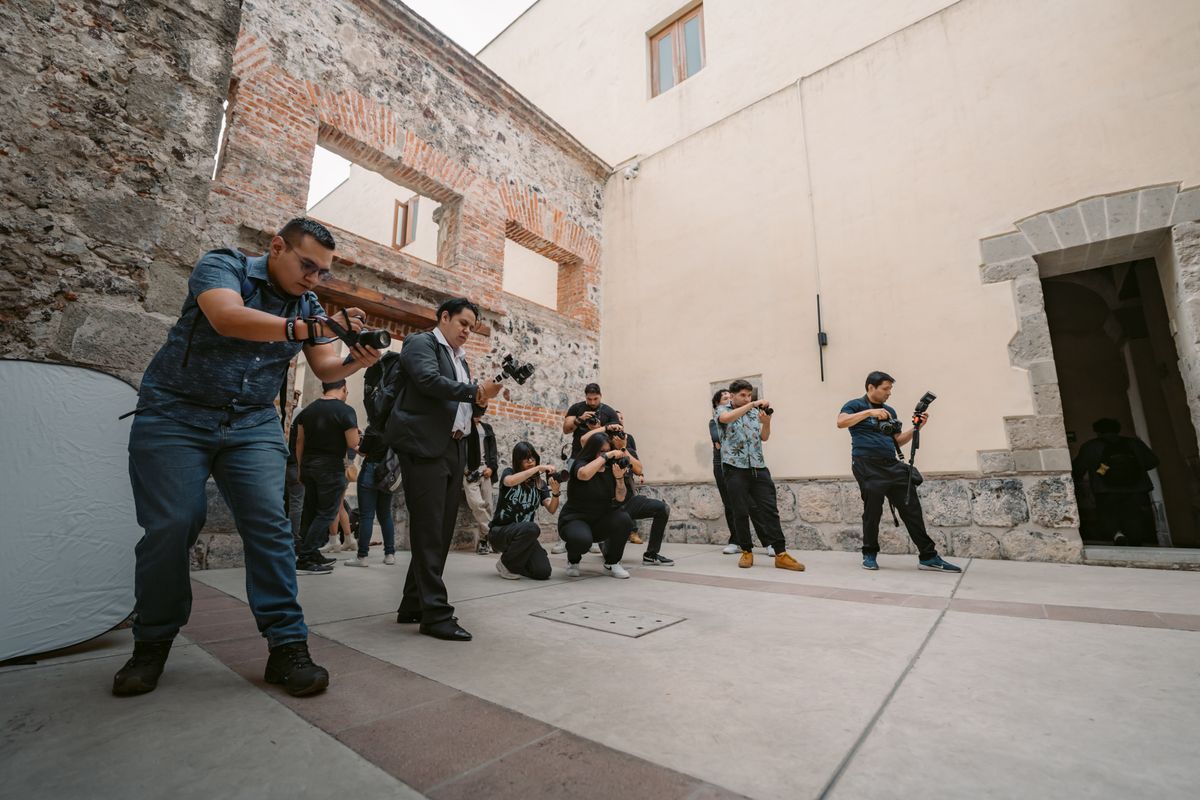
We are seeing multiple legal and institutional developments that have contributed to concerns about press freedom in Mexico. These include regulatory changes, criminal complaints, and expanded interpretations of existing laws. Key developments raising concern include:
- Expanded use of defamation and defamation-adjacent statutes
- Increased complaints filed against reporters and editors
- Broader interpretation of “harmful speech” provisions
- Greater scrutiny of investigative reporting on public officials. Furthermore, some journalists and advocacy groups argue that legal tools intended for civil disputes are increasingly being used in ways that affect news reporting.
How Legal Mechanisms Are Being Applied in Journalism Cases
In several reported instances, journalists have faced legal proceedings linked to their reporting on sensitive topics such as corruption, public spending, and security operations.
These cases often involve overlapping civil, administrative, or criminal claims that can place significant pressure on media organizations and independent reporters. Common legal pressure points include: Civil lawsuits tied to reputational damage claims; Criminal complaints involving alleged defamation or “moral harm”; Administrative investigations into media licensing or operations; and Court-ordered content removals or corrections. In addition, legal experts note that even when cases do not result in convictions, the process itself can impose financial and operational strain on journalists.
Press Freedom Organizations Raise International Concern
We are observing growing concern from international press freedom organizations, which have highlighted Mexico as one of the more dangerous environments for journalists in terms of both physical safety and legal pressure. While Mexico is not the only country facing scrutiny, the combination of violence against journalists and expanding legal disputes has drawn particular attention. Key concerns highlighted by watchdog groups include: Legal intimidation through repeated lawsuits, Uneven access to legal protections for journalists, Increased risk for investigative reporters, and Pressure on local and regional news outlets.
Moreover, organizations warn that legal pressure can discourage reporting on corruption, crime, and governance issues.
Government Position and Official Response
Mexican authorities have stated that legal frameworks are not intended to suppress journalism, but rather to ensure responsible reporting and protect individual rights. Officials argue that journalists, like all citizens, must be held accountable under the law when disputes arise involving misinformation or reputational harm.
Government arguments typically include:
Protection of personal reputation and privacy rights, Enforcement of existing defamation and civil law standards, Ensuring responsible media practices, and Maintaining public order in a sensitive reporting context. However, critics argue that enforcement patterns may create unequal pressure depending on the subject matter or individuals involved.
Impact on Journalists and Media Organizations
The growing legal scrutiny has practical consequences for journalists, particularly those working in investigative or independent media.
Smaller outlets and freelance reporters are often the most affected, as they may lack the legal resources to defend against prolonged litigation.
Reported impacts include:
Increased legal costs and financial strain, Self censorship in sensitive reporting areas, reduced investigative journalism output, and delayed or altered publication decisions. In addition, some journalists report heightened caution when covering politically sensitive topics.
Why This Issue Matters for Democracy and Public Information
We are seeing increasing concern that legal pressure on journalists may have broader implications for democratic accountability and transparency. Journalists play a key role in reporting on corruption, governance, and public policy. When legal risks increase, the flow of information to the public can be affected.
Broader implications include:
Reduced oversight of public institutions, Lower transparency in government reporting, Increased difficulty exposing corruption, and declining trust in independent journalism. As a result, press freedom advocates argue that maintaining a balanced legal environment is essential for democratic health.
Regional and Global Context of Press Freedom Challenges
Mexico’s situation is part of a wider global conversation about how governments regulate media and respond to critical reporting.
While each country has its own legal framework, the tension between freedom of expression and regulatory enforcement is becoming more pronounced worldwide. In this context, Mexico’s legal developments are being closely monitored as part of a larger pattern affecting journalists in multiple regions.
What Happens Next in the Ongoing Debate
We expect continued discussion between lawmakers, legal experts, and press freedom organizations regarding how journalism-related laws are applied and interpreted.
Future developments may include:
- Potential legal reforms affecting defamation standards
- Clarification of protections for journalistic work
- Court rulings shaping media law interpretation
- Expanded dialogue between the government and media groups. Additionally, international organizations may continue to issue assessments and recommendations regarding press freedom conditions.
Why Mexico’s Journalism Legal Debate Is Being Closely Watched
The ongoing situation highlights a critical balance between legal accountability and freedom of the press. As legal actions involving journalists increase, the broader question becomes how to ensure responsible reporting without discouraging investigative journalism.
Ultimately, the outcome of this debate will influence not only media operations in Mexico but also broader discussions about press freedom, transparency, and democratic accountability in modern societies.