Sarasota Residents Face Tougher Watering Limits as Extreme Shortage Order Stretches Through October
Sarasota residents will have to keep an eye on the clock before turning on their sprinklers.
The Southwest Florida Water Management District has extended its Modified Phase III “Extreme” Water Shortage restrictions through Oct. 1, 2026, keeping much of the region under a strict one-day-per-week watering schedule as drought conditions continue to strain rivers, lakes, aquifers, and public water supplies.
For homeowners, renters, businesses, HOAs, and anyone trying to keep a lawn alive through a hot Florida summer, the message is simple: outdoor watering is no longer a casual routine. It is now a limited, scheduled activity tied directly to the region’s shrinking water supply.

The order applies to Sarasota County and a wide stretch of west-central and southwest Florida, including Citrus, DeSoto, Hardee, Hernando, Hillsborough, Manatee, Pasco, Pinellas, Polk, Sarasota, and Sumter counties. It also covers parts of Charlotte, Highlands, and Lake counties; the City of Dunnellon; The Villages in Marion County; and the Gasparilla Island portion of Charlotte County.
The extension follows a June 23 vote by the district’s Governing Board, which cited continuing drought conditions across the region. Residents, including those who use private wells, must continue following one-day-per-week lawn and landscape watering rules through the new deadline, the City of Sarasota notice states.
Under the standard schedule, watering days are based on the last digit of a property address. Addresses ending in 0 or 1 may water on Monday. Addresses ending in 2 or 3 may be watered on Tuesday. Addresses ending in 4 or 5 may be watered on Wednesday. Addresses ending in 6 or 7 may be watered on Thursday. Addresses ending in 8 or 9 may be watered on Friday. Locations without a clear address, including some shared community areas, also fall under the Friday schedule.
The hours matter just as much as the day.
Unless a local city or county has stricter rules, watering is limited to 12:01 a.m. to 4 a.m. or 8 p.m. to 11:59 p.m. Properties smaller than one acre may use only one of those windows. Larger properties may water before 4 a.m. and after 8 p.m., unless local rules say otherwise.
That means a Sarasota household cannot simply water in the morning because the grass looks dry, or run sprinklers in the afternoon because the lawn is browning. The rules are designed to shift irrigation to cooler hours, reduce waste, and limit pressure on supplies already running low.
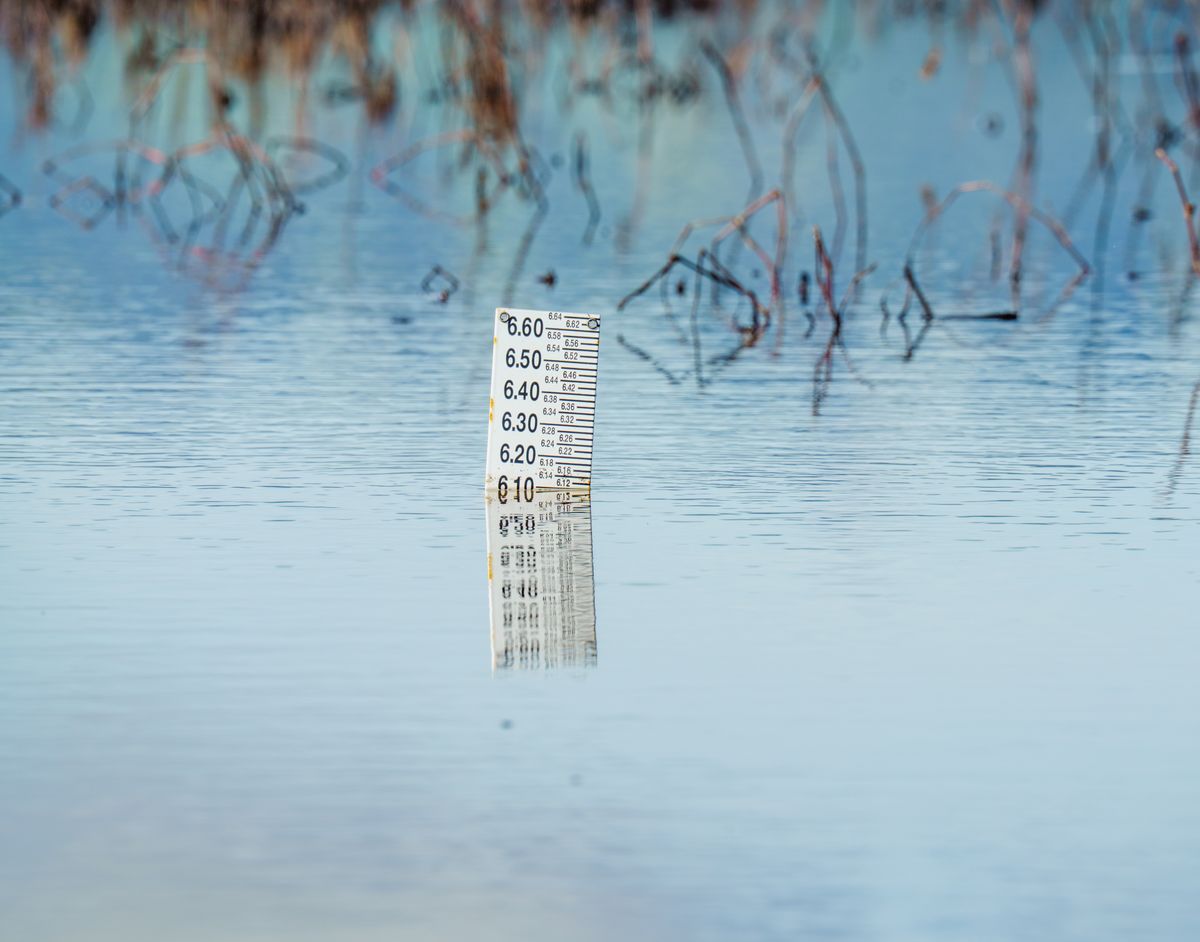
District officials said the region was already dealing with a 13.7-inch rainfall deficit when the Modified Phase III shortage was declared. By May 2026, the rainfall deficit was still significant at 11.4 inches. Water levels in rivers, lakes, and other resources have continued to decline, and public water supplies are extremely low for this time of year, according to the district’s restriction details.
The restrictions do not mean every kind of outdoor watering is banned. Residents may still use low-volume methods such as hand watering, micro-irrigation, and soaker hoses for plants and shrubs on any day. But even that is limited to before 8 a.m. or after 6 p.m.
Home car washing is also restricted. Residents may wash a vehicle at home only on their assigned lawn watering day, and they must use a hose with a shutoff nozzle. Aesthetic fountains are limited to four hours a day, with the operating schedule selected and posted by the owner.
Restaurants are also affected. Under the order, restaurants must serve water only when customers request it.
The rules also limit what homeowner associations can demand. HOAs and similar entities cannot enforce community standards that require residents to increase water use, such as replacing plants for appearance or pressure washing for aesthetic reasons.
Pressure washing is still allowed when done to prepare for painting or sealing.
Why it matters
This order matters because it brings the water crisis down to the household level.
For Sarasota residents, the issue is not just about lawns. It is about the daily tension between Florida’s outdoor lifestyle and the reality of a dry, stressed water system. Green yards, clean driveways, fountains, landscaping rules, and neighborhood expectations now have to compete with a drought order that treats outdoor water use as a serious public concern.
The timing also makes the extension more noticeable. The restrictions now run through the heart of summer and into early fall, a period when heat, evaporation, and landscape stress can make homeowners more likely to water their lawns. That is exactly why officials are tightening the rules instead of easing them.
Outdoor water use can account for more than half of household water consumption, which means even small changes in irrigation habits can matter across an entire region. A few extra sprinkler runs may not look dramatic from a single driveway, but when multiplied across thousands of homes, subdivisions, golf communities, and commercial properties, the demand becomes much larger.
The order also creates a practical challenge for residents who may not know their assigned day or who live in areas with local rules stricter than the district schedule. The safest move is to check city or county restrictions before watering, especially because enforcement can include citations.
For homeowners trying to protect landscaping, the best approach is to focus on survival rather than perfection. Water only during approved times; use hand watering where allowed for stressed plants; check sprinkler systems for leaks; and avoid watering sidewalks, driveways, or streets.
For HOAs, the order sends a clear signal that appearance standards cannot override water shortage rules. Brown patches, stressed shrubs, and delayed pressure washing may become more common until rainfall and supply conditions improve.
For restaurants, the change is small but symbolic. Serving water only when requested may not solve a drought on its own, but it reinforces the broader message that water cannot be treated as unlimited.
The district says it will continue to monitor drought conditions and coordinate with regional water supply partners. Until conditions improve, Sarasota residents should expect conservation to remain part of daily life.
The biggest mistake residents can make is assuming the rule applies to everyone else. It applies to public water customers. It applies to private well users. It applies across Sarasota and much of the region.
For now, the new normal is simple: know your day, know your hours, and do not treat the sprinkler timer like it is still business as usual.