10 European Countries Where People Feel Trapped Enough to Leave
Europe may look polished from the outside, with its postcard streets, old castles, seaside towns, and café-lined squares. Yet many residents are looking past the scenery and asking a harder question: Can I still build a future here? Recent EU survey results show that people most often cite weak job opportunities, housing pressure, and political distrust as reasons for considering leaving.
Portugal’s Dream Life Feels Too Expensive for Locals
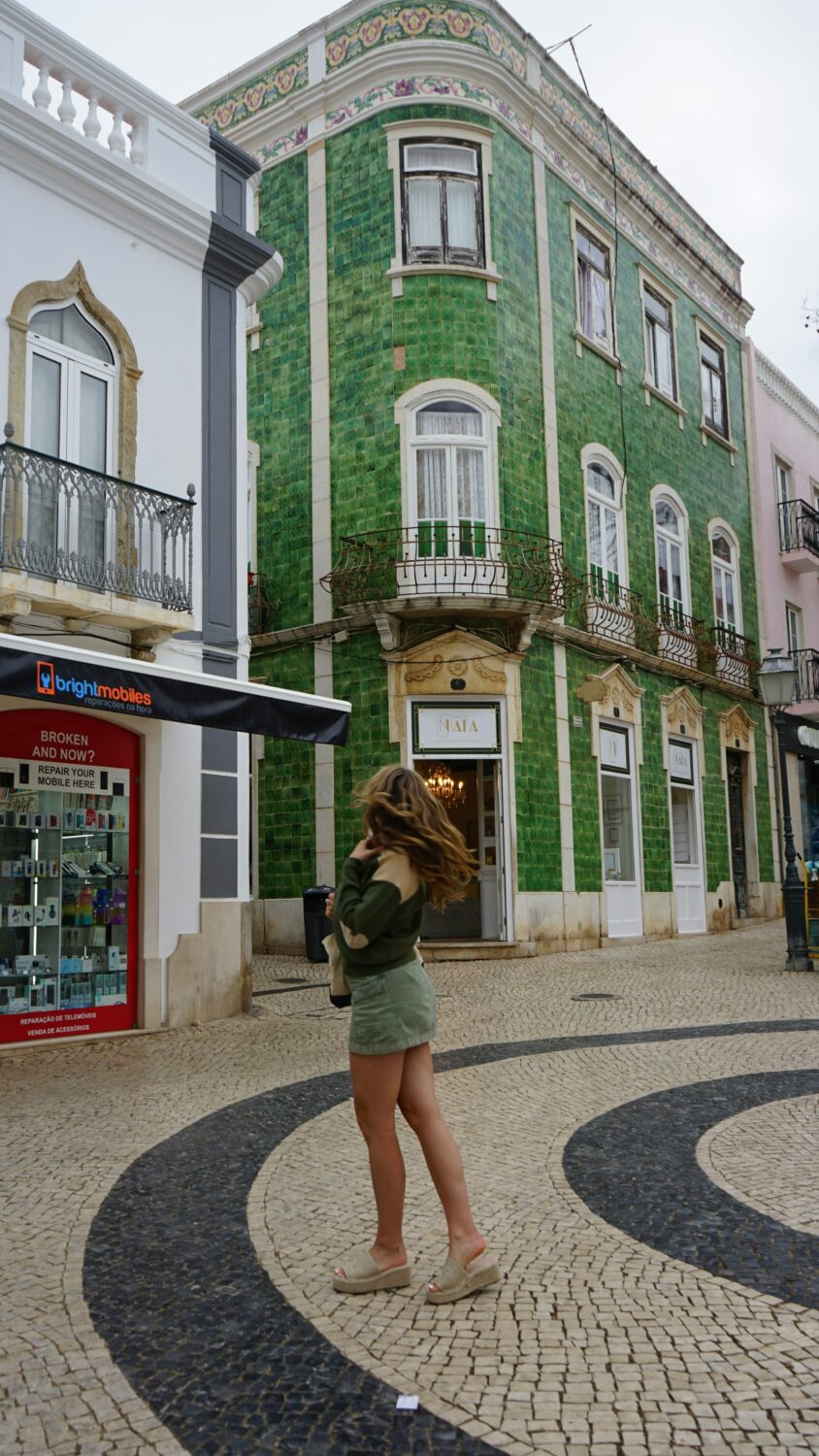
Emma/ Unsplash
Portugal sells a sunny fantasy to outsiders, but many locals see a tougher picture behind the golden light. Lisbon and Porto have become magnets for tourists, remote workers, and investors, making daily life feel heavier for people earning local wages.
Rent has climbed, neighborhoods have changed, and younger workers often feel locked out of the future they were promised. The country still has beauty, warmth, and culture, but beauty loses its charm when ordinary residents feel priced out of their own streets.
Hungary’s Restlessness Runs Deeper Than Money
Hungary’s problem is not just about salaries or job options. For many people, the frustration stems from a deeper feeling that the future is being shaped without them. Political distrust, limited opportunity, and uneven development can make staying feel emotionally exhausting.
When residents stop believing their region can reward their effort, leaving starts to feel less like betrayal and more like survival. Hungary’s place on this list shows how quickly confidence fades when people feel stuck.
France Looks Romantic, But Many Regions Feel Heavy
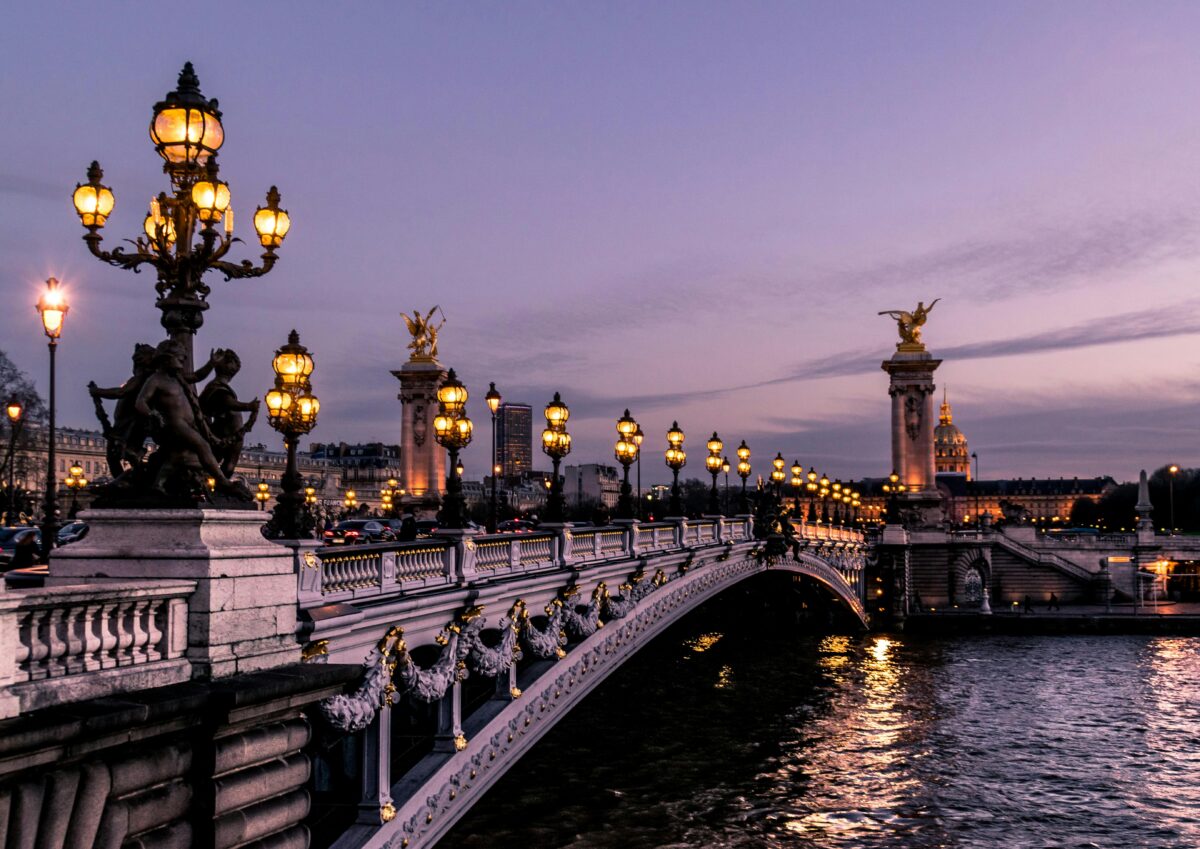
France carries a powerful global image: Paris cafés, countryside villages, fashion, food, and long summer evenings. Yet life inside the country can feel very different depending on the region. Some residents face high costs, limited local jobs, public tension, and a sense that better opportunities lie elsewhere.
France is not short on identity or culture, but culture does not cancel out everyday pressure. When people feel squeezed, even a beautiful country can start to feel like a locked room.
Greece Still Carries the Scars of Economic Pressure
Greece has sunshine, ancient history, blue water, and one of the strongest cultural identities in Europe. Still, many people know the pain behind the postcard. Years of economic strain have left some residents worried about wages, stable jobs, and long-term security. Young adults may love their families and hometowns, but love does not always create opportunity. For them, leaving can feel like a painful but practical step toward breathing room, career growth, and a future that does not feel delayed.
Poland’s Growth Has Not Reached Everyone Equally
Poland has earned attention for its growth, ambition, and expanding cities, but that success does not feel equal across the country. Some regions still struggle to retain young workers, especially as better pay and broader career paths are emerging across Europe. People may not be rejecting Poland itself; they may be rejecting the feeling that their town or region has run out of space for them. That quiet divide matters. A country can be rising on paper while many citizens still feel pushed to move.
Slovakia Shows What Political Disappointment Can Do

Slovakia’s migration pressure is tied strongly to trust. When people feel disappointed by politics, public systems, or leadership, the desire to leave can grow quickly. Economic worries may open the door, but political frustration often pushes people through it. Residents want stability, fairness, and the belief that their voices matter. When that belief weakens, relocation starts to look like a reset button. Slovakia proves that people do not only move for better pay; they also move to escape exhaustion.
Malta’s Small Size Can Make Pressure Feel Bigger
Malta may look like a Mediterranean escape, but small places can make big problems feel even tighter. Housing stress, limited space, crowded services, and political frustration can weigh heavily on residents. In a small country, people may feel there are fewer places to hide from rising costs or public disappointment. That creates a trapped feeling.
Malta’s challenge is that island charm cannot fully protect people from daily pressure. When choices feel narrow, even paradise can start to feel cramped.
Luxembourg’s Wealth Does Not Protect Everyone
Luxembourg is often linked with wealth, high salaries, and international careers, but that does not mean everyone feels secure. Expensive housing can make success feel strangely out of reach, especially for workers who do not sit at the top of the income ladder. A country can be rich yet feel unforgiving toward ordinary people trying to settle down. That contrast creates frustration. When residents see prosperity around them but struggle to claim a piece of it, leaving starts to look reasonable.
Croatia’s Loyalty Is Strong, But Frustration Still Exists

Todor Dimov/ Unsplash
Croatia has a strong emotional pull, from its coastline to its deep family and cultural ties. Many people may want to stay because home still means something powerful. Yet staying does not erase frustration over wages, political trust, and uneven opportunity. Some residents feel torn between loyalty and practical survival. That tension can be brutal because leaving a place you love hurts more than leaving a place you dislike. Croatia’s story is not a simple escape; it is the pain of outgrowing limited options.
The Netherlands Feels Stable, But Housing Pressure Still Bites
The Netherlands often appears more stable than many European countries, and many residents are deeply attached to their region. Still, stability does not mean life is easy. Housing pressure, competition for space, and the rising cost of everyday comfort can make people question how long they can keep going. The Dutch case is important because it shows another side of the story. Even places where people strongly want to stay can become stressful when homes feel scarce, and adulthood feels expensive.
Conclusion
This story is not really about Europeans suddenly falling out of love with Europe. It is about people growing tired of places that no longer feel fair, affordable, or full of possibility. Portugal, Hungary, France, Greece, Poland, Slovakia, Malta, Luxembourg, Croatia, and the Netherlands each reveal a different version of the same pressure.
Some residents feel priced out. Others feel politically drained, professionally stuck, or emotionally trapped between loyalty and survival. The real warning is simple: people do not always leave because they hate their home. Sometimes they leave because their home has stopped making room for their future.