
Manipur Newspapers Are Publishing Thousands of Health Stories, But One Category Quietly Dominates the Conversation
Health News Is Everywhere in Manipur’s Press, But Its Shape Tells a Different Story
Newspapers in Manipur carry a constant stream of health-related reporting that touches almost every household. From accident updates and disease alerts to public health campaigns and medical developments, health stories appear regularly across both English and Manipuri publications. Yet beneath this steady flow lies a striking imbalance in the kinds of health information that dominate the news cycle.
A detailed year-long study of 10 major local newspapers, including both English and Manipuri editions, recorded 10,874 health-related articles between February 2011 and January 2012. This volume confirms that health is not a marginal topic in Manipur’s print media. It is consistently present, widely circulated, and deeply embedded in daily reporting routines.
However, the central issue is not visibility. It is an emphasis. The data reveals that health coverage is heavily shaped by crisis-driven storytelling, with certain categories receiving far more attention than others. As a result, the way readers understand health is influenced not just by frequency, but by narrative focus.
Injury Reporting Dominates More Than Half of All Health Coverage
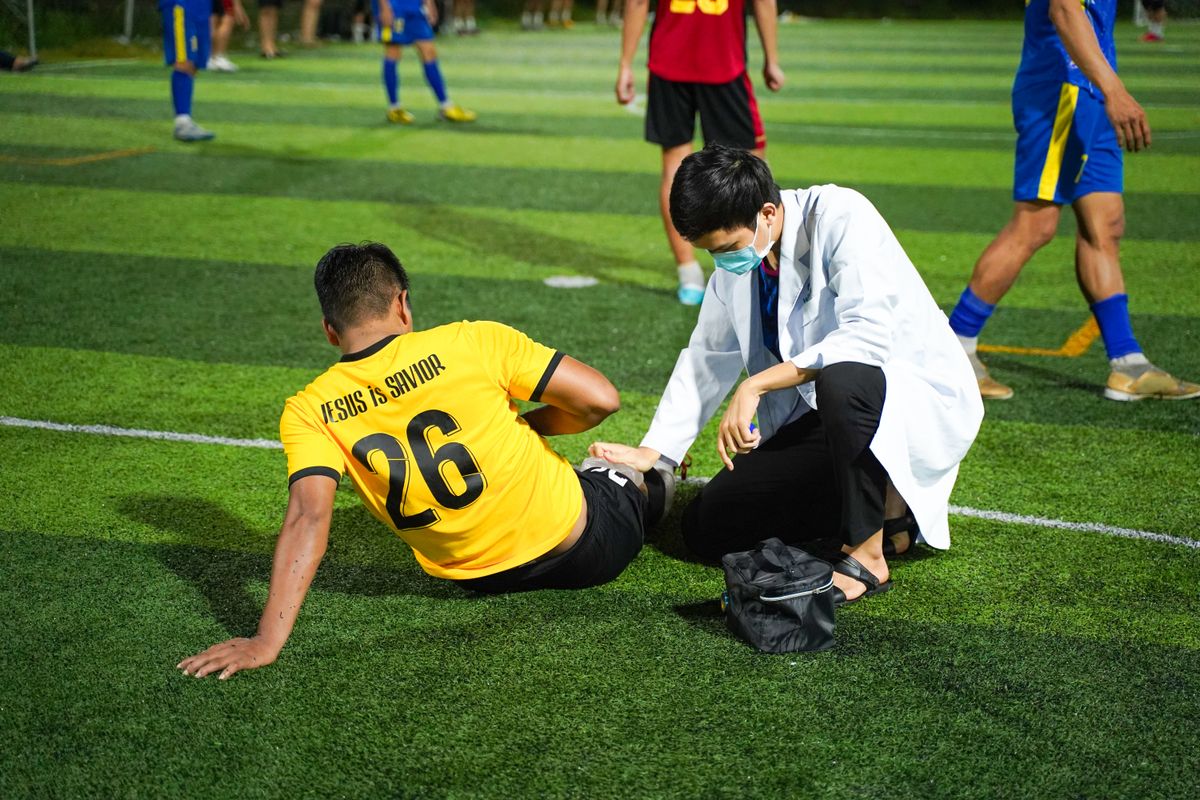
Across all newspapers studied, injury-related reporting accounted for 51.9% of total health articles, making it the most dominant category by a significant margin. These stories typically involve accidents, suicide cases, and homicide reports, often presented as urgent and immediate news events.
This level of dominance means that for many readers, health journalism is primarily associated with harm, emergency, and loss. While such stories are undeniably important and newsworthy, their overwhelming presence can unintentionally narrow the public perception of health itself.
Instead of health being understood as prevention, wellness, and long-term care, it becomes closely tied to incidents and consequences. This creates a media environment where health awareness is reactive rather than proactive, shaped more by events that have already occurred than by guidance that could prevent them.
Public Health Coverage Exists, But Often Lacks Depth and Structure
Public health reporting forms the second major pillar of health coverage in Manipur’s newspapers. These articles address essential topics such as immunization, sanitation, hygiene, environmental health, and communicable disease prevention. Their presence demonstrates that newspapers are actively engaging with community health issues beyond emergency reporting.
However, the way these stories are presented reveals a limitation. A significant majority, 72.9% of public health articles, are published within general news sections rather than dedicated health pages. This placement often results in shorter formats and reduced explanatory depth.
As a result, public health information frequently remains surface-level. Readers may be informed about campaigns or health risks, but they are not always given the broader context needed to fully understand implications, causes, or preventive actions. The information reaches the public, but its educational potential is not always fully realized.
Medical Reporting Remains the Least Prominent Category
Compared to injury and public health coverage, medical science and treatment-related reporting occupy the smallest share of health journalism in Manipur’s newspapers. These articles include clinical research updates, medical discoveries, laboratory advancements, and treatment innovations.
When medical stories do appear, they are more likely to be placed in specialized health sections, particularly in English-language newspapers. This suggests a degree of editorial separation between general news and scientific reporting.
Despite their importance, these stories remain relatively infrequent. This restricts public exposure to developments in healthcare, reducing opportunities for readers to engage with evolving medical knowledge that could directly impact personal and community health decisions.
Language Differences Shape the Health Information Landscape
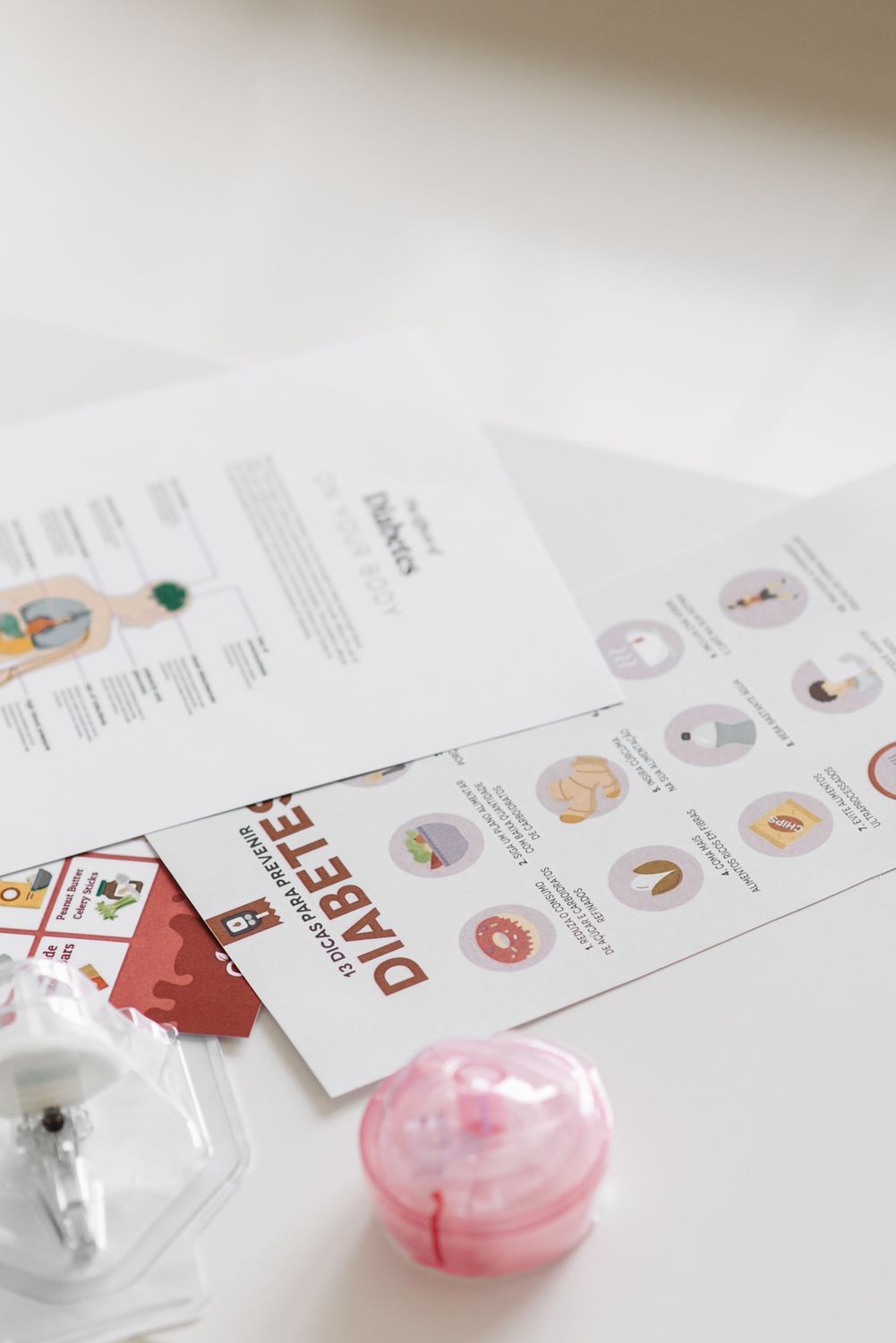
One of the most significant findings in the study is the clear difference between English and Manipuri newspapers in the distribution of health content. English-language newspapers tend to carry a higher proportion of public health and medical science reporting, while Manipuri newspapers lean more heavily toward injury-related news.
Public health articles were predominantly found in English publications, accounting for 59% of coverage, while medical topics were even more concentrated, with 87% appearing in English newspapers.
This creates a layered communication structure where the depth and type of health information available to readers can vary depending on the language of their preferred newspaper. Readers relying primarily on Manipuri newspapers may therefore encounter a more incident-focused health narrative, while English readers are more likely to access preventive and scientific health content.
Weekly Patterns Reveal How News Cycles Shape Health Coverage
Health reporting in Manipur’s newspapers does not follow a random distribution across the week. Instead, it follows a noticeable rhythm shaped by newsroom practices and event timing.
The study found that Wednesday had the highest share of health-related articles at 16.1%, while Sunday had the lowest at 12.3%. Different categories also showed distinct peaks: public health and injury reports were more common on Mondays, while medical stories peaked midweek.
These patterns suggest that health journalism is closely tied to both editorial workflow and real-world event cycles. Weekend editions often feature incidents, while midweek editions tend to include more structured or planned content, such as medical reporting.
Most Health Articles Are Short, Limiting Their Educational Impact

A large proportion of health-related reporting in both English and Manipuri newspapers consists of small-sized articles, defined as fewer than 600 words. While short articles allow newspapers to cover a wide range of events quickly, they also limit the depth of information provided to readers.
Short-form reporting is effective for announcements, alerts, and breaking news. However, health communication often requires explanation, context, and guidance. Without these elements, readers may learn what happened but not fully understand why it matters or how to respond.
This structural limitation limits the potential of newspapers to serve as effective tools for health education, especially in areas where access to formal healthcare information is already uneven.
Where Health Stories Appear in the Newspaper Changes Their Impact
The placement of health articles in newspapers plays a significant role in how readers perceive and absorb them. Stories placed in early pages or dedicated sections tend to attract more attention and carry greater perceived importance.
The study shows that public health and injury stories are most often published as general news items, while medical stories are more commonly placed in health sections, particularly in English newspapers. Page placement also varies by language, with English newspapers more likely to feature medical topics earlier in the publication.
These editorial decisions shape not only visibility but also interpretation. A front-page injury report signals urgency, while a health section article signals specialization. Together, they define how readers prioritize different types of health information.
Why Injury Reporting Dominates the Health Narrative
The dominance of injury-related reporting is not accidental. These stories are inherently attention-grabbing, emotionally charged, and locally relevant. They reflect real events that affect communities immediately and often require urgent public awareness.
However, when injury becomes the dominant lens through which health is viewed, it can unintentionally narrow the public’s understanding. Health becomes associated primarily with crisis rather than prevention, and awareness becomes reactive instead of proactive.
This creates a clear opportunity for editorial evolution. Injury reporting can remain central while also being expanded to include prevention strategies, safety education, and expert interpretation that help reduce future risk.
The Broader Meaning Behind the Data
The findings from this study reveal a media environment that is actively engaged in health communication but still uneven in structure and focus. Health journalism in Manipur is well-represented, but it is strongly shaped by incident reporting, short-form writing, and language-based differences in content depth.
At the same time, newspapers remain one of the most influential tools for spreading health awareness across diverse communities. Their reach, frequency, and familiarity give them a unique role in shaping how people understand health risks, prevention, and care.
This combination of high reach and uneven structure creates both a challenge and an opportunity for improvement.
Moving Toward Stronger Health Journalism
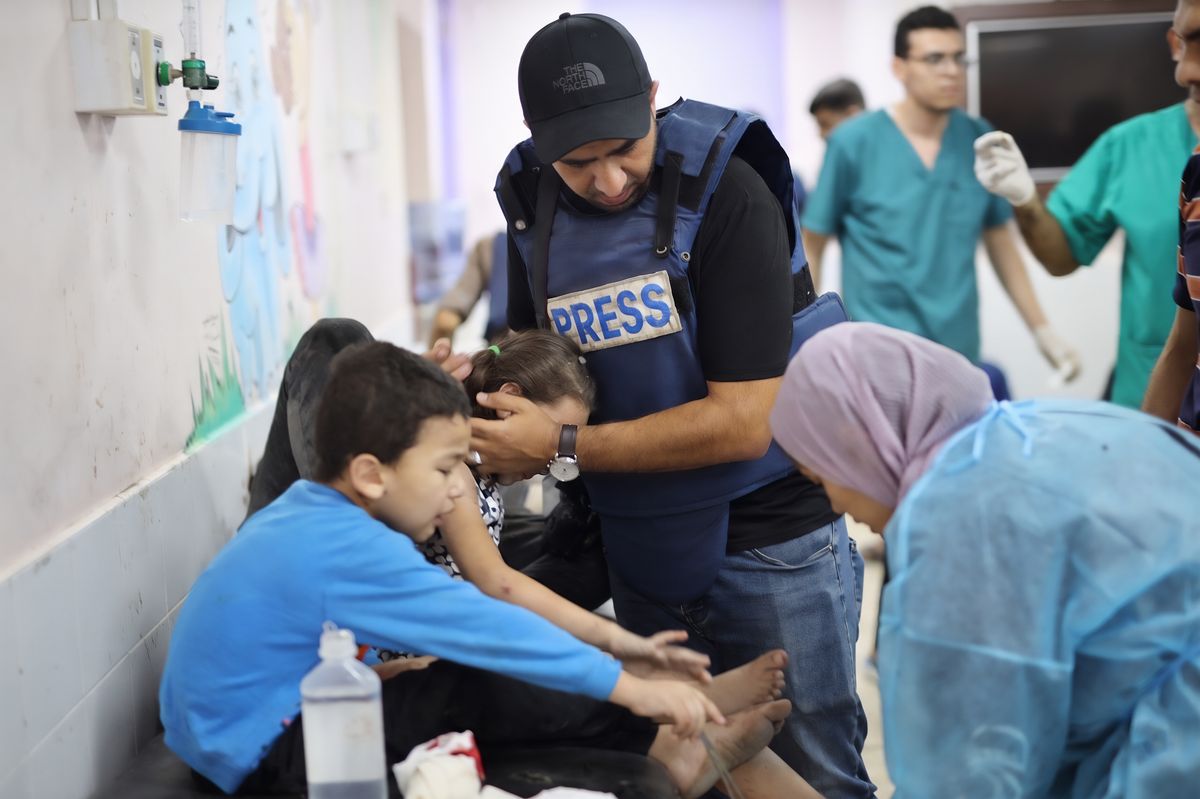
A more balanced approach to health reporting would not require reducing injury coverage or limiting news reporting. Instead, it would involve expanding the depth and diversity of health storytelling.
Public health articles could include clearer explanations and practical guidance. Injury reports could integrate prevention-focused insights. Medical stories could be translated into accessible language for wider readership. Across all categories, longer and more structured formats could enhance educational value.
The foundation already exists. What is needed now is refinement in how health information is framed, structured, and delivered.
Perspective on Health Communication in Manipur
Manipur’s newspapers are already producing thousands of health-related stories every year, making them powerful vehicles for public awareness. The challenge is not quantity, but balance and depth.
When health journalism moves beyond reporting events and actively supports understanding, prevention, and informed decision-making, its impact extends far beyond the page.
In that shift, newspapers become more than chroniclers of health events. They become quiet partners in shaping healthier communities.


