Over 100 Venezuelans Deported From the U.S. Are Missing After Deadly Earthquakes
A Crisis That Began With Deportation and Ended in Disaster
We are looking at a case where migration enforcement and natural disaster collided with devastating consequences. More than 100 Venezuelans who were deported from the United States are now missing after powerful earthquakes struck Venezuela just hours after their return.
The group had arrived on a deportation flight from Miami carrying 146 Venezuelans, including women and children. After landing, they were taken to a government-run processing hotel in La Guaira, where they were expected to undergo brief administrative procedures before being released to their families. Instead, they were still inside the facility when the ground began to shake.
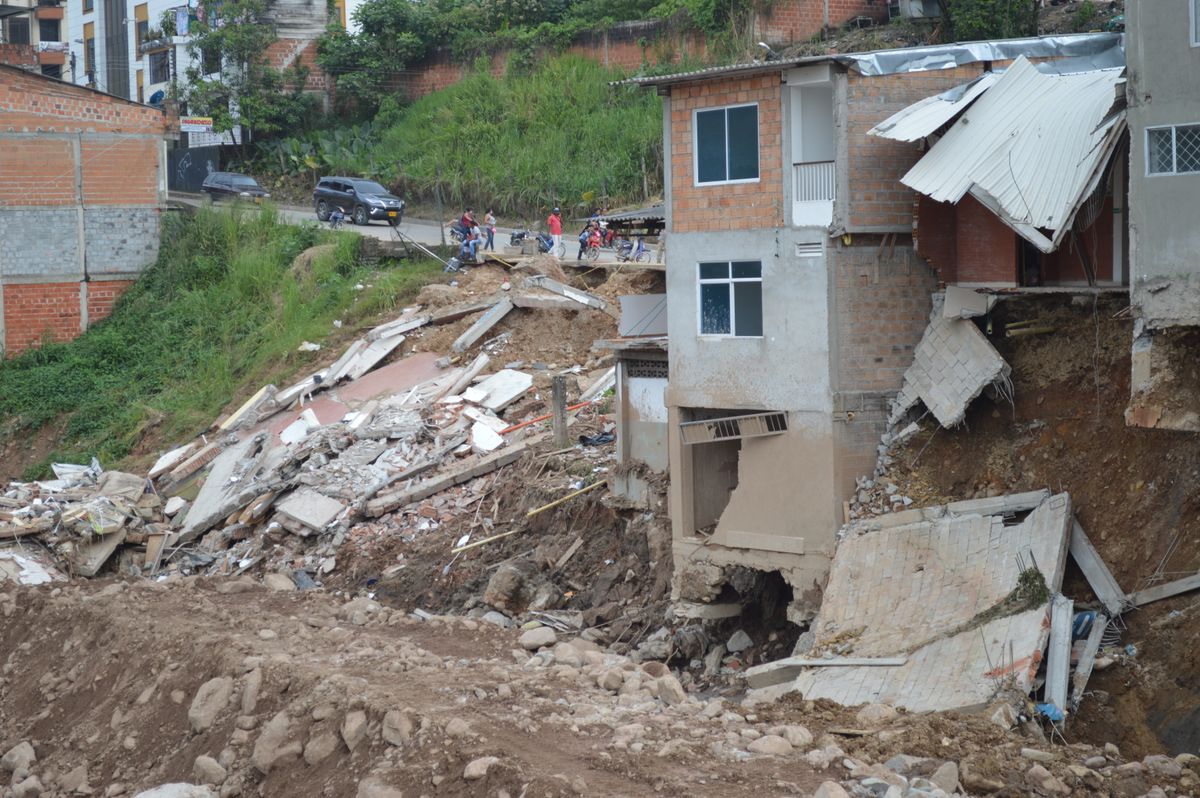
Within hours, the building collapsed during twin earthquakes that struck the Caracas region. What followed was not only a rescue operation but a widening search for people whose whereabouts remain unknown.
The Custody Gap That Left Deportees in a Vulnerable State
One of the most important but often overlooked elements in this tragedy is what can be described as a custody gap.
Once deportation flights land, individuals are no longer under United States jurisdiction. However, they are also not yet fully reintegrated into their home country. In this case, the deportees were placed in a temporary government facility for medical checks and documentation before being sent onward.
This creates a period where:
- Responsibility for safety becomes unclear.
- Communication with families is limited or delayed.
- Emergency planning is often minimal or not publicly defined.
It is within this uncertain window that the disaster struck. The individuals affected were not in their homes or communities. They were still in transit, concentrated in one location, and dependent on institutional handling of their movement.
The Hotel Functioned as a Processing Center, Not a Public Shelter
Reports and survivor accounts indicate that the Hotel Santuario La Llanada was being used as a temporary holding and processing site for deportees. Individuals were undergoing medical screening and receiving documentation, with expectations of release within a short timeframe.
This detail is critical because it entirely reframes the location. It was not simply accommodation. It functioned as a controlled facility for newly arrived deportees.
That raises key questions that are now central to understanding the scale of the tragedy:
- Whether the building was structurally prepared for high occupancy
- Whether emergency evacuation protocols were in place for vulnerable groups
- Whether the concentration of people in one facility increased the risk during a known seismic event
When the earthquakes struck, the hotel became one of the hardest-hit sites in La Guaira, collapsing with dozens, possibly more, still inside.

The Earthquakes That Triggered a National Emergency
The disaster unfolded when two major earthquakes struck near Caracas within minutes of each other. The first was followed almost immediately by a stronger second quake, amplifying the destruction across already vulnerable regions.
The impact was widespread:
- Entire buildings collapsed in coastal and urban zones.
- Infrastructure failures disrupted communication networks.
- Emergency response teams were stretched across multiple sites.
By the time rescue efforts were underway, the scale of destruction had already overwhelmed local systems. In La Guaira, where the deportees were being held, the collapsed hotel became one of the most urgent search locations.
Survivors Describe Chaos Inside the Collapsed Building
Accounts from survivors provide a rare glimpse into what happened inside the hotel during the earthquakes.
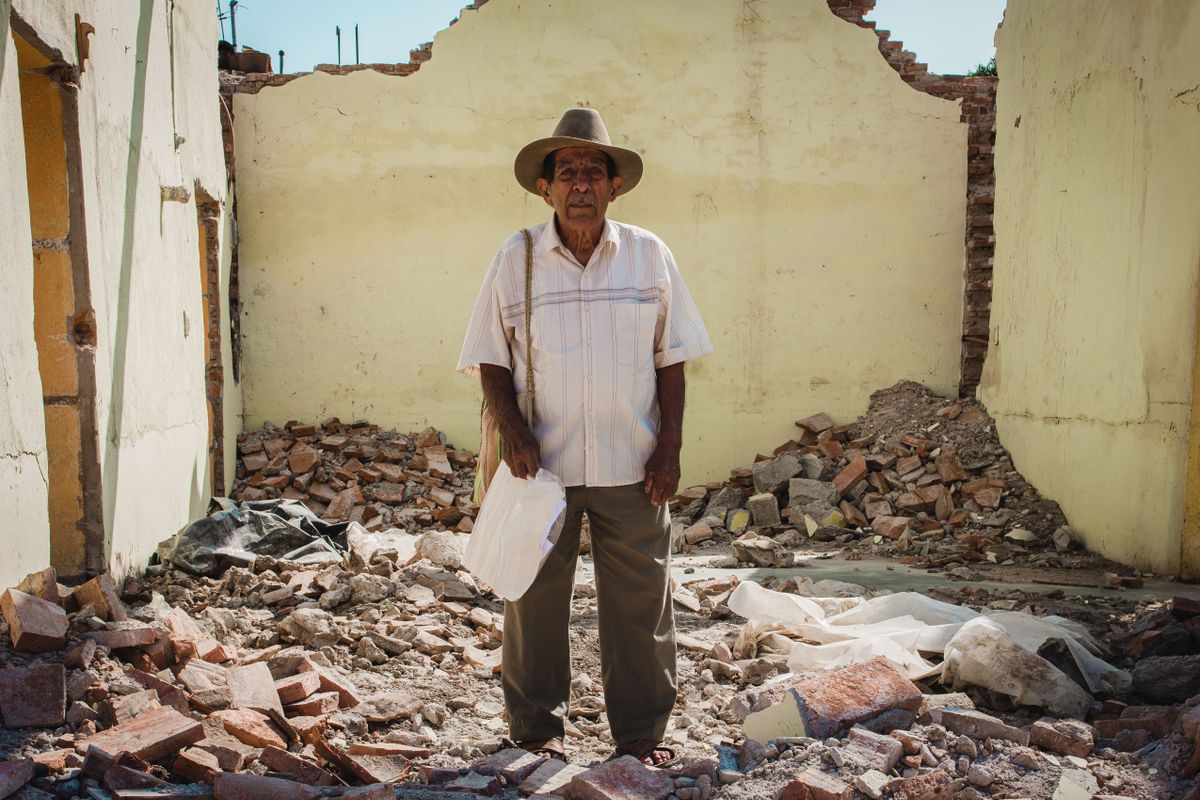
Some described being trapped under debris, hearing structural failures, and struggling to move through darkness and dust. Others managed to escape through partially collapsed sections of the building, walking long distances before finding help.
One survivor described being buried under debris before shifting rubble allowed escape. Another recounted pulling herself free and searching for others in the aftermath.
These testimonies highlight a critical detail. The disaster also affected the building’s structure. It fractured communication, separated groups, and left survivors scattered without immediate coordination.
Information Breakdown Created a Second Crisis for Families
While the physical destruction was severe, an equally damaging crisis unfolded in parallel. Families of deportees were left without reliable information.
In many cases:
- Phones were unavailable or lost during the collapse.
- No centralized registry of deportees in the facility was accessible in real time.
- Families relied on fragmented social media updates and personal networks.
- Hospital and survivor lists changed frequently or remained incomplete.
This created what can be described as an information collapse. Even when individuals survived, confirming their status became difficult. For those still missing, uncertainty deepened with each passing hour.
The Return Journey That Turned Into Another Displacement
A striking feature of this case is the contradiction at its center. The deportees had been removed from the United States and returned to their country of origin. In theory, this was the end of their migration journey.
In practice, many were still in transition:
- Recently arrived and not yet reunited with family.
- Temporarily housed in government-controlled facilities.
- Without immediate access to communication or transportation
Instead of a return home, the journey became another form of displacement. The earthquakes interrupted what was already a fragile reintegration process, turning it into a survival situation.
Families Now Rely on Informal Search Networks
As official information has remained limited, families have turned to informal systems to locate missing relatives.
These include:
- Social media coordination groups
- Crowd-sourced lists of survivors and hospital admissions
- Direct visits to shelters, hospitals, and emergency sites
- Messaging networks across cities and countries
In effect, families have created their own parallel search infrastructure. This grassroots system is now serving as a substitute for formal tracking mechanisms that have been neither fully visible nor accessible.
Deportation Systems and Disaster Risk Exposure
This event also exposes a broader structural issue in global deportation systems. Large-scale removals often rely on rapid transport and temporary reception arrangements upon arrival. However, little public information exists on contingency planning for receiving countries facing sudden crises.
Key unresolved questions include:
- How deportees are protected during the first hours after arrival
- Whether receiving facilities are assessed for environmental risks such as earthquakes
- How communication with families is maintained during transitional custody periods
These are not abstract policy concerns. In this case, they directly affected whether individuals could be accounted for after a national disaster.
Missing Deportees and the Urgent Need for Accountability
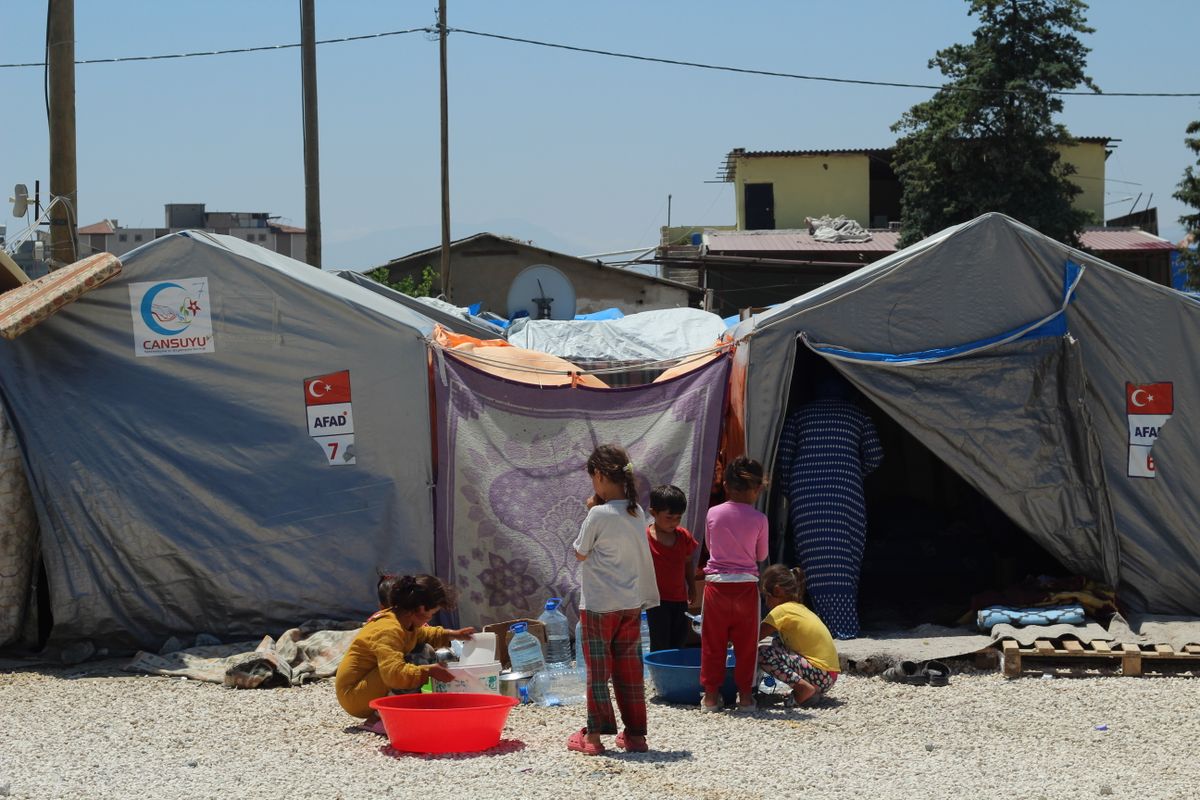
As rescue operations continue in Venezuela, more than 100 deportees remain unaccounted for. Some may be trapped in rubble. Others may be in hospitals or shelters without identification. Some may have escaped but have not yet been located.
The challenge now is not only rescue but identification and verification. Every missing individual represents a case that must be resolved through:
- Structured identification systems
- Transparent communication between agencies
- Coordinated international and domestic tracking
Until that happens, families remain suspended between hope and uncertainty.
A Disaster That Exposed a Hidden Vulnerability in Migration Systems
This tragedy sits at the intersection of two systems that rarely overlap so visibly: immigration enforcement and disaster response.
The earthquakes were natural. The deportations were administrative. But the overlap left hundreds of people in a vulnerable environment during a period of extreme environmental instability.
The result is a crisis defined not only by destruction but by unanswered questions, missing names, and families still searching for certainty in the aftermath of collapse.