A Taste of Home: How Immigrant Families Are Shaping America’s Local Food Scene
Across the United States, food often tells the story of where people come from, the traditions they carry, and the communities they build. In neighborhoods across the country, immigrant families have helped shape local food scenes by sharing recipes, opening restaurants, creating markets, and introducing new flavors to American tables.
Immigrant communities influence everyday meals, from family dinners to restaurant menus and community celebrations. American cuisine has developed through generations of cultural exchange, with many dishes and cooking traditions reflecting the contributions of people who brought their culinary knowledge from around the world.
For many immigrant families, food is more than something served on a plate. It connects them to home, preserves memories, and passes traditions from one generation to the next.
Recipes That Carry Family Stories
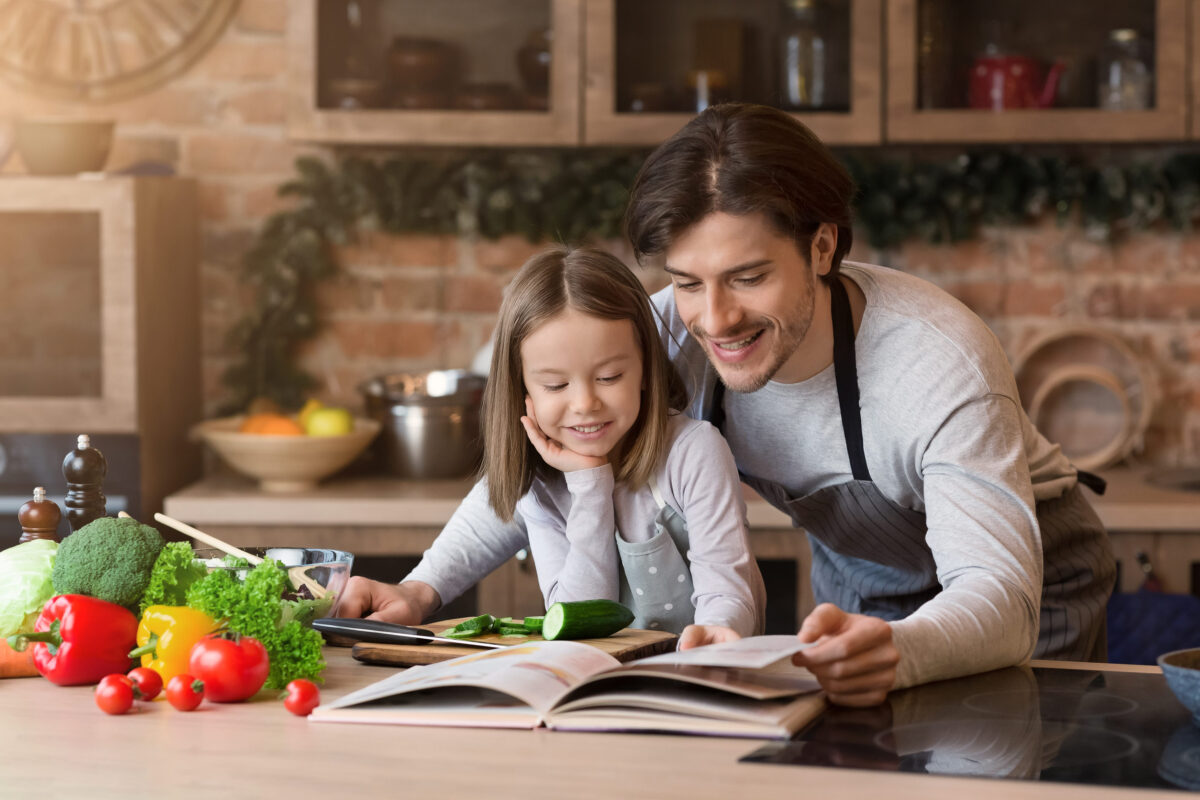
A family recipe often represents much more than ingredients and cooking instructions. It can reflect a person’s childhood, a region’s history, and the experiences of previous generations.
Immigrant families often adapt traditional recipes to the ingredients available in their new communities. A dish once prepared with specific local ingredients overseas may take on new forms in the United States while keeping key elements of its original identity.
These changes are part of how food traditions evolve. Researchers and food historians have noted that immigrant cuisines in the United States continue to change as communities interact with new environments, ingredients, and generations.
Children and grandchildren who grew up in America may recreate a grandmother’s recipe. A traditional holiday meal may become part of a larger neighborhood celebration. A family dish that was once prepared only at home may eventually become a favorite item on a local restaurant menu.
Through these small moments, food becomes a bridge between cultures.
Local Restaurants as Community Gathering Places
Immigrant-owned restaurants have become important parts of many communities throughout the United States. For some families, opening a restaurant offers a chance to share familiar flavors while creating a gathering place for people from their own cultural background and new customers interested in exploring different cuisines.
Many immigrant restaurants begin with a family connection. A recipe developed at home may become a menu item. A cooking tradition passed down through generations may become the foundation of a small business.
These restaurants often serve a dual purpose. They preserve culinary traditions while also becoming part of the local community. Customers may discover new foods, learn about different cultures, and build relationships with restaurant owners and staff.
Over time, many foods introduced by immigrant communities have become widely recognized parts of American dining. Italian, Mexican, Chinese, and many other cuisines have moved from being unfamiliar to becoming common choices in restaurants and homes across the country.
Related article: 5-healthy-spices-to-keep-in-your-kitchen-simple-ingredients-worth-knowing/
Celebrations That Bring People Together
Food plays a central role in cultural celebrations. Across immigrant communities, festivals, religious holidays, family gatherings, and community events often include traditional meals that connect people with their heritage.
These celebrations let families share their customs with younger generations while introducing neighbors to different cultural experiences.
A shared meal can create opportunities for conversation and understanding. Someone attending a cultural event for the first time may learn about the meaning behind a particular dish, the history of an ingredient, or the traditions connected to a recipe.
In many communities, food celebrations have become opportunities for people from different backgrounds to come together and experience the diversity of American culture.
The Evolution of American Food

American food has never been a single tradition. It has developed through the influence of many communities, including Indigenous peoples, immigrant groups, and generations of families who adapted recipes over time.
Many foods now considered familiar parts of American cuisine have histories connected to migration and cultural exchange. Ingredients, cooking methods, and recipes have traveled across borders and changed as they joined new communities.
This evolution continues today. New generations of chefs and home cooks are combining traditional techniques with modern ideas, creating dishes that reflect both their heritage and their experiences in America.
Fusion cuisine, where different culinary traditions meet, is one example of this ongoing process. Dishes that combine elements from multiple cultures often represent the experiences of families who live between different traditions and identities.
Passing Traditions to the Next Generation
For many immigrant families, cooking helps teach younger generations about their heritage. Parents and grandparents often share recipes through hands-on lessons rather than written instructions.
Children may learn how to prepare traditional meals by watching family members cook, helping with ingredients, or participating in holiday preparations.
These lessons help preserve cultural knowledge while allowing traditions to continue evolving. A recipe may remain connected to its origins while also reflecting the tastes and experiences of a new generation.
In this way, kitchens become places where history, culture, and family memories are preserved.
A Changing Local Food Landscape
The food scene in many American communities reflects the people who live there. Local restaurants, markets, food festivals, and family kitchens all contribute to the variety of flavors available across the country.
Immigrant families have played a significant role in expanding the range of foods Americans enjoy and in creating opportunities for cultural exchange through meals.
Every dish has a story. Behind many restaurant menus and family recipes are stories of movement, adaptation, hard work, and the desire to share something meaningful with others.
As communities continue to grow and change, food remains one of the most powerful ways people connect. A meal can introduce a culture, preserve a memory, and bring neighbors together around a shared table.
The story of American food is still being written, one recipe, one restaurant, and one family tradition at a time.
Other articles you may like:
– 10-shocking-hidden-animal-ingredients-in-everyday-life/
– 5-protein-packed-foods-that-make-meatless-dinners-feel-like-a-real-meal/
– the-best-cuisines-in-the-world/