Mamdani Makes It Official: ICE Needs a Judge’s Warrant Before Entering NYC Schools and Hospitals
New York City has drawn a sharper line around some of its most sensitive public spaces: classrooms, hospital corridors, shelters and other city-run places where people are supposed to seek help without fear.
Mayor Zohran Mamdani signed Executive Order No. 13 on February 6, 2026, framing it as a direct defense of immigrant New Yorkers and a reaffirmation of the city’s sanctuary laws. The order says federal immigration agents cannot enter non-public areas of city property without a judicial warrant, except in limited situations such as emergencies, legal requirements, or authorized agreements. In plain language, that means ICE cannot simply walk into a city school, shelter, or hospital and expect automatic access without a judge’s signed paperwork.
A judge’s warrant becomes the dividing line
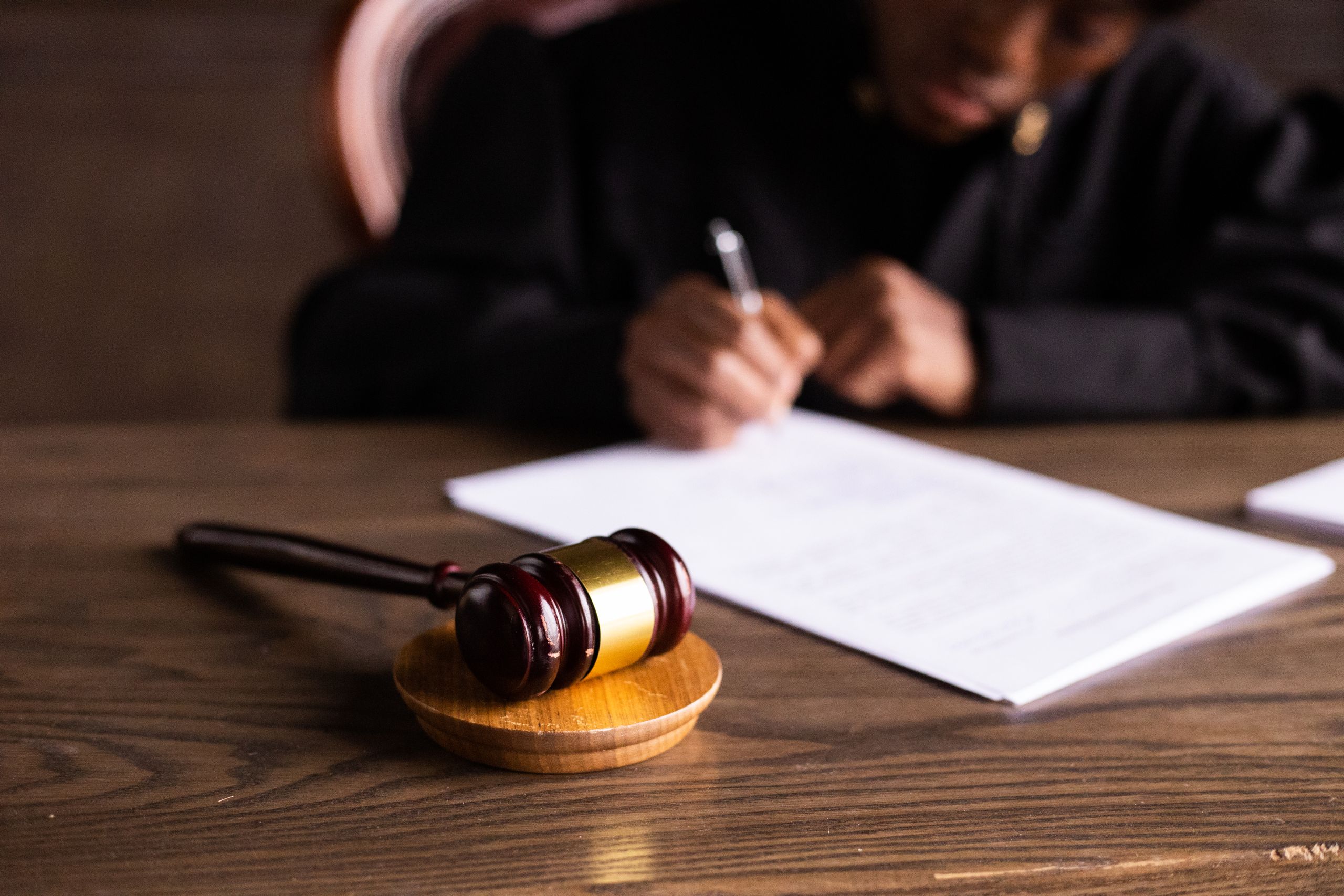
The heart of Mamdani’s order is not just about ICE. It is about who gets to open the door.
Under New York City law, a judicial warrant means a warrant issued by a federal judge, federal magistrate judge, or New York State court. That is different from an administrative immigration document, which may come from within the federal immigration system but is not the same as a judge-signed warrant authorizing an arrest, search, or entry.
That distinction matters because many New Yorkers may not know the difference when an officer arrives at a school front desk, a hospital lobby, or a shelter entrance. The city’s public school guidance already tells principals that if non-local law enforcement officers, including ICE, seek access to a school, staff must contact legal counsel and should not act until they receive guidance. It also says schools must honor valid judicial warrants, but staff should first obtain the warrant and send it to legal officials for review.
Mamdani’s executive order turns that legal line into a citywide message: do not guess, do not improvise, do not hand over access without the required authority.
Schools and hospitals are not just buildings
The order’s political power comes from the places it protects.
A school is not only a public building. It is where a child is supposed to learn multiplication tables, English vocabulary, science projects, and how to belong. A hospital is not only a government facility. It is where a parent rushes a feverish child, where a pregnant woman seeks care, where a worker injured on the job hopes to be treated before fear makes the decision for them.
That is why immigration enforcement in these spaces carries consequences beyond a single arrest. When families believe a school or hospital could become an enforcement zone, they may stay away. Children may miss class. Patients may delay care. Witnesses may avoid reporting crimes. The city’s order argues that public safety is weakened when people are afraid to interact with public institutions.
This is the bigger story behind the order. Mamdani is not only challenging how ICE enters a building. He is trying to preserve trust in the places New Yorkers rely on most.
The order goes beyond the front door
The executive order does more than tell ICE to bring a judge’s warrant.
It directs several major agencies, including the NYPD, the Department of Correction, the Department of Probation, the Administration for Children’s Services, the Department of Social Services, and the Department of Health and Mental Hygiene, to review their internal rules governing cooperation with federal immigration enforcement. Those agencies must audit their policies and submit a report to the mayor within 90 days. The order also requires training, public-facing guidance, and clearer protocols for city employees who may encounter federal immigration agents.
That may sound bureaucratic, but it is where the policy comes to life. A sanctuary law can exist on paper and still fail in practice if a security guard, clerk, principal, nurse, or agency employee does not know what to do when federal agents appear.
Mamdani’s order tries to close that gap. It pushes the city to train workers before the confrontation happens, not after a family has already been frightened or a legal mistake has already been made.
Privacy is also part of the fight
Another major part of the order focuses on personal information.
City agencies collect sensitive data from New Yorkers every day. Families apply for child care. Patients seek medical help. Shelter residents provide identifying details. Students and parents submit records. Mamdani’s order says the city has a compelling interest in protecting that information and directs agencies to strengthen privacy procedures.
That piece may be less dramatic than a standoff at a school entrance, but it may be just as important. Immigration enforcement does not always begin with agents at the door. Sometimes it begins with data, records, addresses, and names moving from one system to another.
The order requires city agencies to identify privacy officers and develop protocols to protect identifying information. For immigrant families, that message is meant to be clear: applying for help from the city should not feel like handing over a map to federal enforcement.
A local answer to a national shift
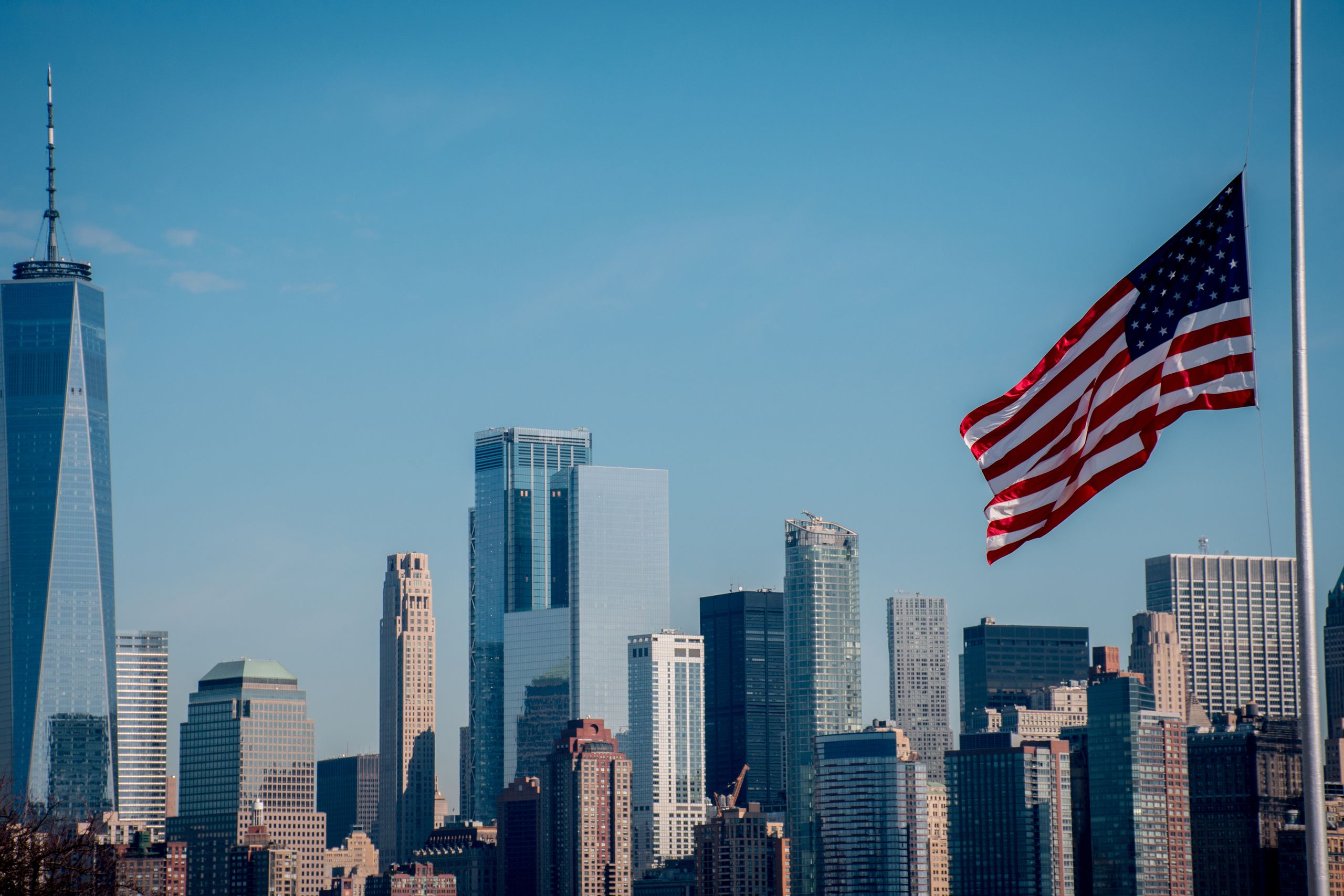
Mamdani’s order lands in a larger national fight over immigration enforcement and so-called sensitive locations.
In January 2025, the Trump administration rescinded the Biden-era “protected areas” policy that had treated places such as schools, hospitals, churches and social service sites as locations where immigration enforcement should generally be avoided. After that rescission, there were no longer specific protected areas, such as schools or hospitals, under DHS enforcement policy, according to NAFSA’s summary of the federal change.
That federal move placed more pressure on cities and states that wanted to preserve local protections. New York City’s response is now clear: even if federal policy no longer draws bright lines around schools and hospitals, the city says its own property rules still do.
The result is a familiar clash between federal immigration authority and local sanctuary policy. ICE and DHS argue that restrictions make communities less safe by limiting cooperation with immigration officers. CBS New York reported that DHS criticized Mamdani’s order and said that barring local cooperation forces federal officers to have a more visible presence in communities.
Mamdani’s position is the opposite. His administration argues that communities become safer when residents can report crimes, send children to school, visit hospitals, and apply for services without fearing that city institutions will become extensions of immigration enforcement.
What this means for New Yorkers
For families, the practical takeaway is simple but important: city officials are telling schools, agencies, and public-facing workers to slow the process down, verify documents, and involve legal counsel before granting non-local law enforcement access.
For principals, hospital staff, shelter workers, and agency employees, the order means the city wants a more consistent playbook. Ask for documentation. Escalate to legal officials. Do not share private information unless the law requires it. Do not treat every document as equal. Do not physically interfere with officers, especially in emergencies, but do not surrender access casually either.
For federal officials, the order is another sign that New York City intends to remain one of the country’s most visible sanctuary jurisdictions.
And for Mamdani, it is a defining early test of his mayoralty. Immigration is not an abstract national debate in New York. It is woven into apartment buildings, subway platforms, classrooms, hospital waiting rooms, small businesses, and houses of worship across all five boroughs.
His executive order does not end the fight over ICE in New York City. It does not erase federal power. It does not guarantee that every encounter will be calm, clean, or conflict-free.
But it does make one thing official: in New York City’s most sensitive public spaces, the city wants a judge, not fear, to decide who gets through the door.