10 Silent Everyday Habits That May Be Wrecking Your Health
Some of the most harmful habits do not look dramatic. They hide inside normal routines, morning coffee, quick showers, desk posture, late alarms, spotless counters, and the “healthy” foods we eat without thinking twice. That is what makes them so sneaky: they feel responsible, familiar, or harmless until the body starts whispering back through fatigue, aches, headaches, poor sleep, or digestive trouble.
The scary part is not that one small habit ruins your health overnight. The real danger is repetition. When the same tiny mistake gets repeated every day, it can slowly train the body into stress, irritation, weakness, or imbalance.
Brushing Too Soon After Coffee or Citrus
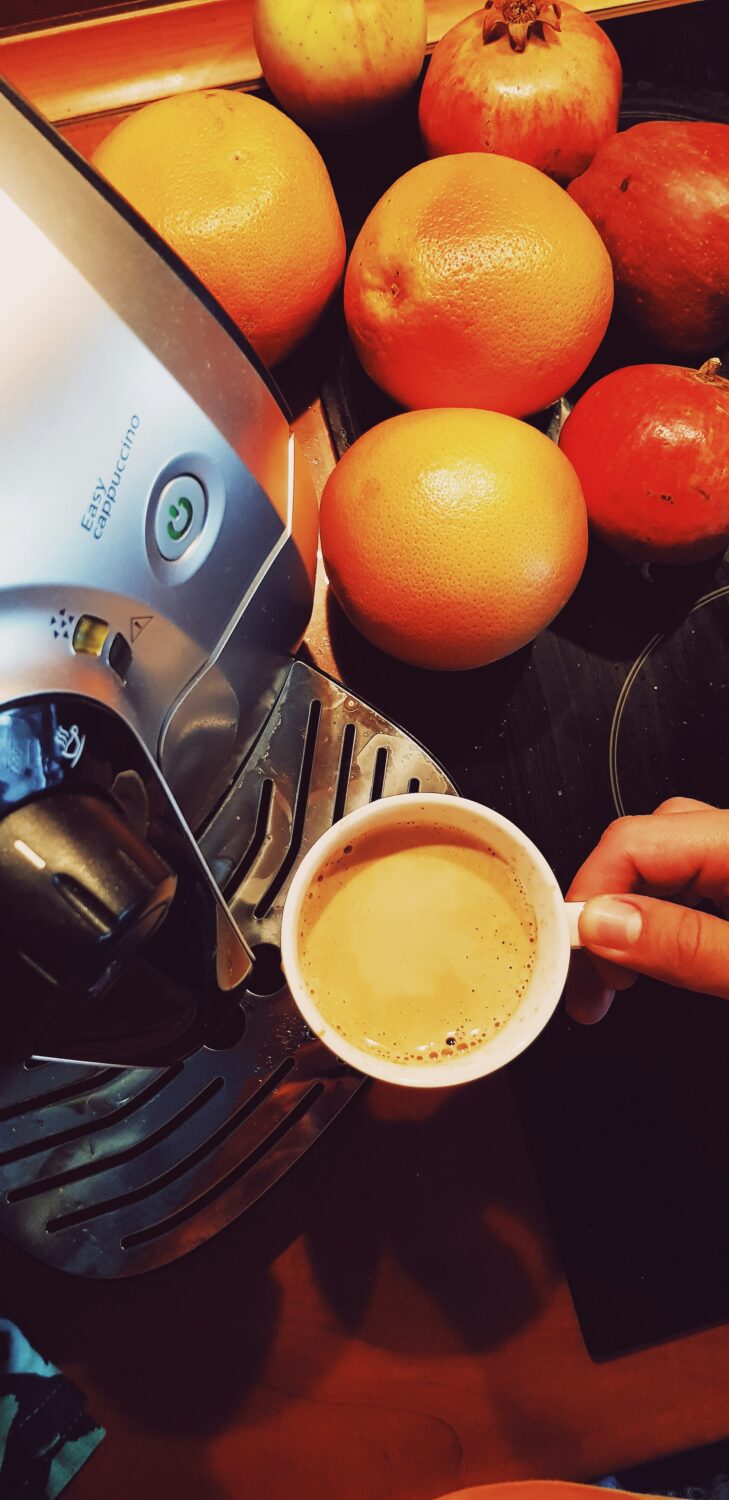
Brushing right after coffee, orange juice, lemon water, or a citrus-heavy breakfast may feel like good hygiene, but your teeth may disagree. Acidic foods and drinks can temporarily soften enamel, and scrubbing too soon may wear that protective layer down faster. The smarter move is simple: rinse with water first, wait a while, then brush gently with fluoride toothpaste. Your teeth do not need aggressive rescue after every sip. They need timing, patience, and less panic-cleaning.
Hitting Snooze Again and Again
The snooze button feels comforting, especially when the bed is warm and the day already feels annoying. Yet those tiny sleep scraps can leave your brain feeling more confused than rested. Instead of giving you real recovery, repeated alarms can pull you in and out of shallow sleep, making the morning feel heavier.
If waking up feels impossible every day, the problem may not be laziness. It may be poor sleep quality, too little rest, stress, or an underlying sleep issue that deserves attention.
Cleaning Everything With Antibacterial Products
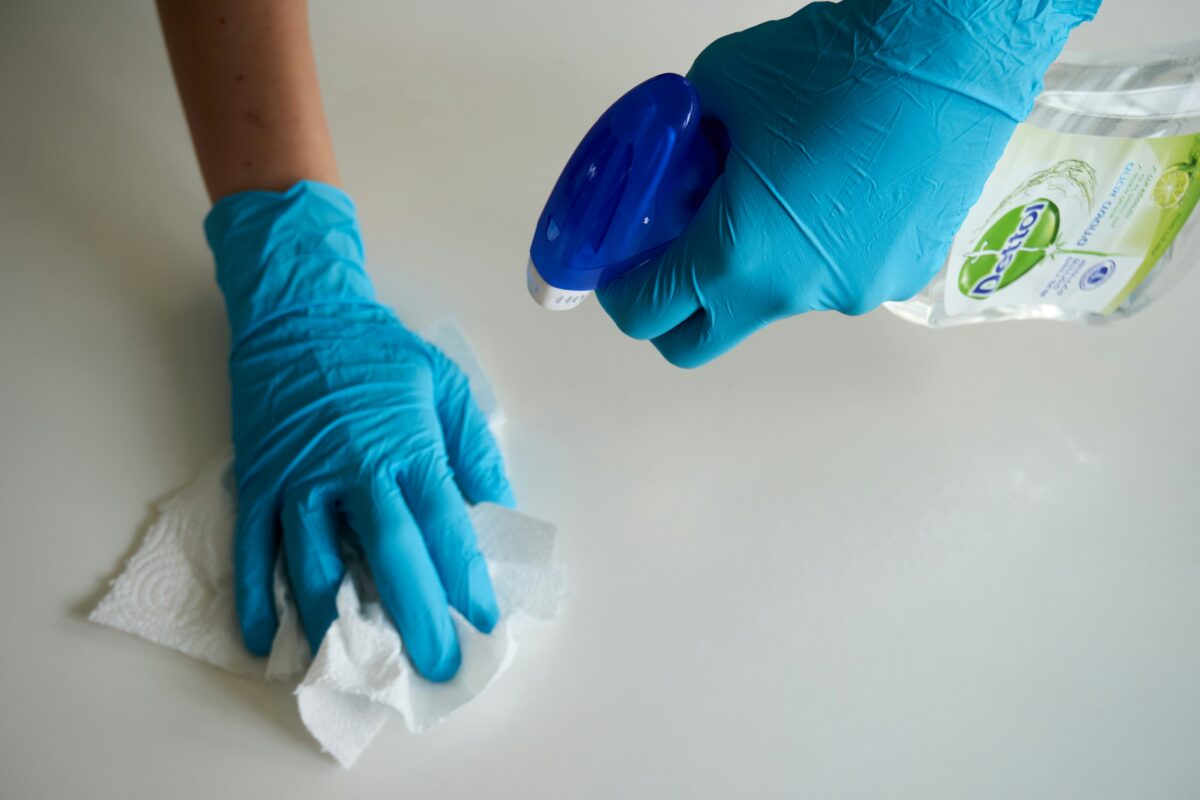
A clean home is healthy, but a home treated like a surgical room can become a problem in itself. Many people reach for antibacterial soaps and sprays when plain soap and water would do the job. Constant chemical cleaning can irritate the skin, dry out the hands, and create a false sense of protection.
Your immune system does not need a war zone every morning. It needs basic cleanliness, good ventilation, regular handwashing, and less obsession with killing every invisible thing in sight.
Sitting With Your Legs Crossed for Hours
Crossing your legs for a few minutes is usually harmless, but holding that position for hours can strain your body. It can put pressure on nerves, tighten the hips, tilt the pelvis, and leave one leg tingling as if it briefly forgot its job. Over time, poor sitting habits can lead to back pain, stiffness, and posture problems. The fix is not complicated. Change position often, keep both feet on the floor when possible, and let your body move before it starts complaining.
Drinking Fancy Beverages Instead of Water
Smoothies, iced coffees, energy drinks, flavored teas, and bottled wellness drinks can trick people into thinking they are fully hydrated. Many of them contain sugar, caffeine, sodium, or calories that turn “just a drink” into something closer to a snack or stimulant.
Your body still needs plain water to support digestion, circulation, temperature control, and basic daily function. A fun drink is not the enemy, but it should not replace water all day. Hydration should feel boring sometimes.
Doing Every Workout on a Treadmill

Treadmills are useful, convenient, and safer than many outdoor routes, but using them exclusively can limit how your body adapts. Outdoor walking and running challenge balance, ankle control, stride variation, and stabilizing muscles in ways a moving belt cannot fully copy. The problem is not the treadmill itself. The problem is never changing the terrain, pace, incline, or movement pattern. Your body likes variety. Mix indoor workouts with outdoor walks, strength training, mobility, and real-world movement.
Holding In a Sneeze
Trying to trap a sneeze may feel polite in public, but your body created that reflex for a reason. When you clamp your nose and mouth shut, pressure has to go somewhere, and in rare cases, it can affect the ears, throat, blood vessels, or sinuses. Most people will not suffer a dramatic injury, but the habit is still unnecessary. Sneeze into a tissue or your elbow, wash your hands, and let the pressure escape the way your body intended.
Peeling Every Fruit and Vegetable
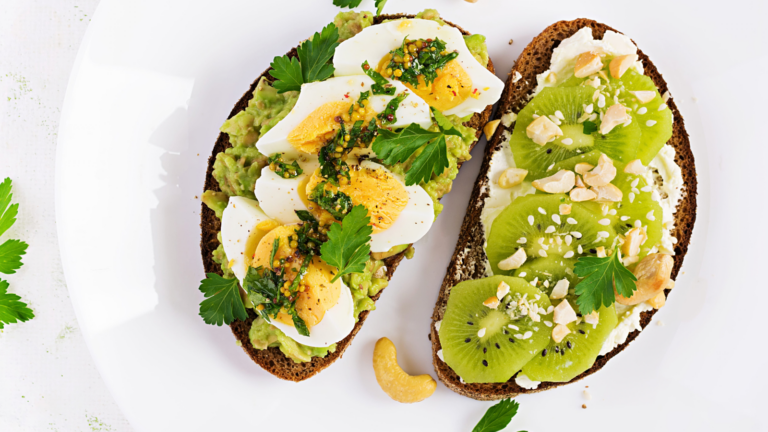
Peeling apples, cucumbers, potatoes, pears, and other produce can strip away some of the fiber and plant compounds your gut actually wants. The peel often helps slow digestion, supports fullness, and adds texture that makes food more satisfying. Of course, not every peel is pleasant or safe to eat, and produce should be washed well before eating. Still, automatically removing every skin can turn a nutrient-rich food into a softer, sweeter, less powerful version of itself.
Living in Overly Cushioned Shoes
Soft shoes feel amazing at first, especially if you walk or stand a lot. The problem begins when your feet never have to work, grip, flex, or stabilize naturally. Heavy cushioning and constant arch support may feel protective, but the foot also needs strength and mobility.
That does not mean walking barefoot on concrete or throwing out supportive shoes. It means giving your feet variety through safe movement, stretching, strengthening, and shoes that match the activity.
Keeping Your Body in Perfect Comfort All Day

Modern life makes it easy to avoid every hint of discomfort. Air conditioning, heating, heated seats, thick blankets, elevators, delivery apps, and climate-controlled rooms keep the body wrapped in convenience.
Comfort is not bad, but constant comfort can make normal temperature changes, movement, and mild physical effort feel harder than they should. Your body was built to adapt. A short walk outside, a cooler room at night, or light daily movement can remind it how.
Conclusion
The habits that hurt us most are not always wild, reckless, or obvious. Some look like discipline. Some look like cleanliness. Some look like comfort. That is why paying attention matters.
Good health is often built through small corrections, not grand makeovers. Waiting before brushing, drinking more plain water, moving your body differently, sneezing safely, and changing how you sit may sound minor, but minor choices become powerful when repeated daily. Your routine is either quietly helping you or quietly taking something from you. The good news is that you can start fixing it before your body has to shout.