Newark Protesters Push for Faster Passaic River Cleanup as Long-Stalled Superfund Work Faces New Pressure
In Newark, the Passaic River is more than a strip of water cutting through the city’s industrial past. For many residents, it is a daily reminder of promises delayed, pollution left behind, and a cleanup effort that has moved far more slowly than the communities along the river believe is acceptable.
Now, environmental advocates are again demanding action on one of the largest and most complicated hazardous waste cleanups in the United States: the Diamond Alkali Superfund site. Patch reported that activists recently gathered at Riverfront Park to press federal officials and corporate parties to move the cleanup of the lower Passaic River forward.
Why the Passaic River cleanup matters
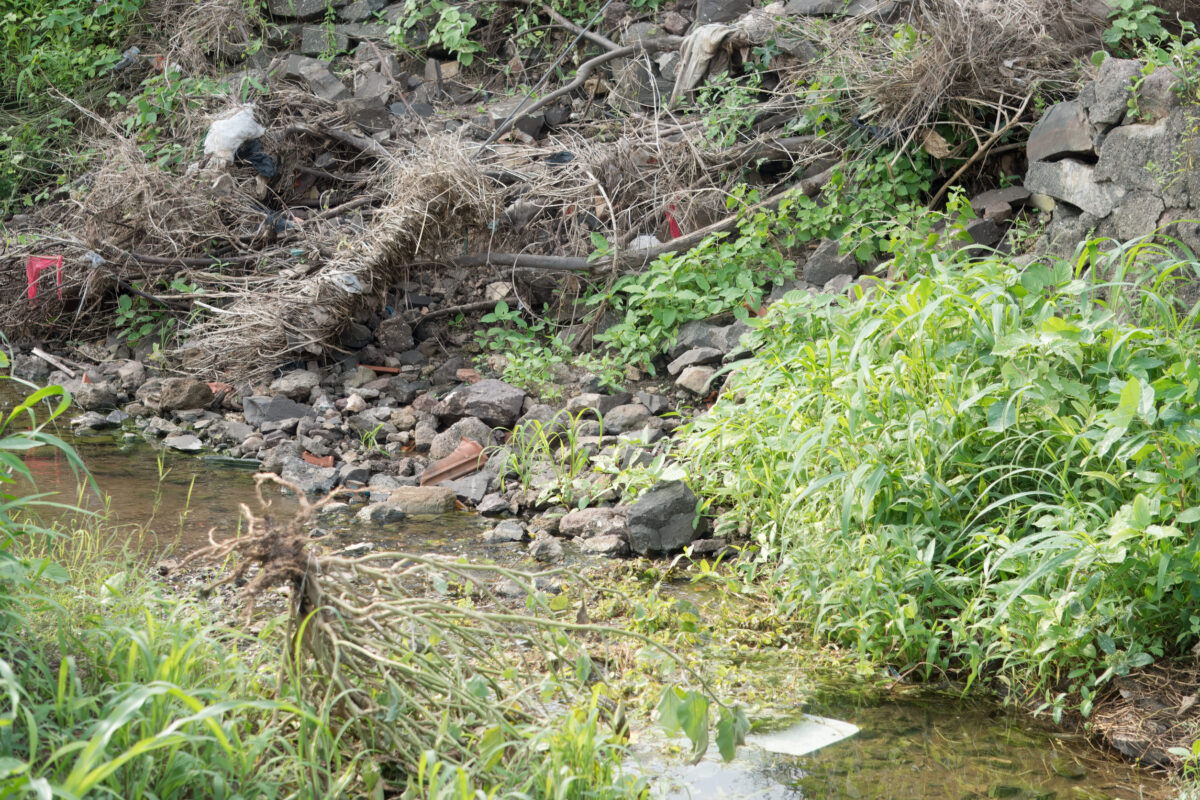
The Diamond Alkali Superfund site is centered on the former chemical manufacturing property on Lister Avenue in Newark, but the contamination problem extends far beyond a single factory address. According to the U.S. Environmental Protection Agency, the site includes the former 80-120 Lister Avenue facility, the Lower Passaic River Study Area, and the Newark Bay Study Area. The lower river corridor is densely populated and historically industrial, placing the cleanup at the intersection of environmental restoration, public health, and urban justice.
EPA records trace part of the pollution history to chemical production at the Lister Avenue property in the 1940s, 1950s, and 1960s. The agency says manufacturing there involved DDT and agricultural chemicals, including herbicides associated with Agent Orange, and produced highly toxic dioxin. Sampling by New Jersey and federal officials in 1983 found high levels of dioxin near the property and in the river, leading the EPA to place the site on the Superfund National Priorities List in 1984.
The cleanup plan is clear, but progress remains slow.
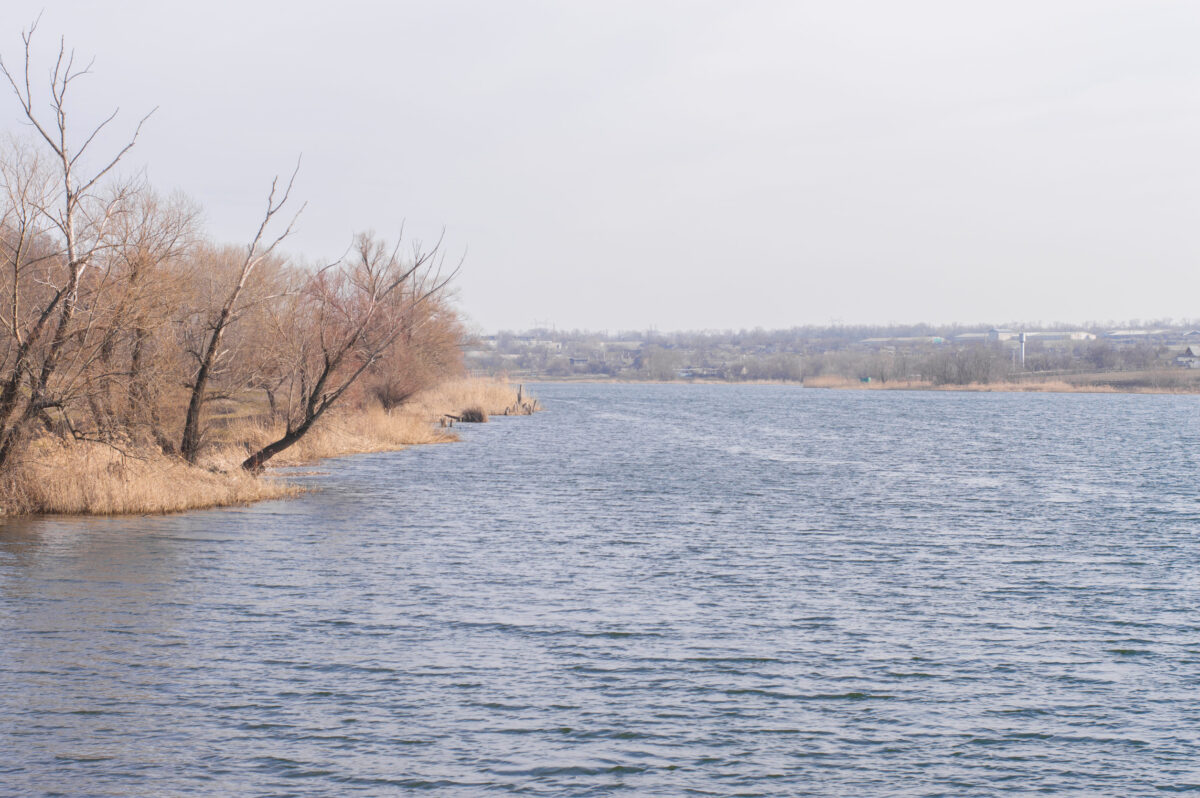
The lower 8.3 miles of the Passaic River have long been viewed as a major source of contamination affecting the broader river system and Newark Bay. EPA selected a cleanup plan for that stretch in 2016. The work calls for dredging contaminated sediment from the river, placing a protective cap across the riverbed, and isolating pollution that has settled into the bottom over generations.
The engineering design for that lower-river work was approved by the EPA in May 2024. Under the plan, about 2.5 million cubic yards of sediment would be removed before the cap is installed. EPA says dredged material would be moved to an upland processing facility, dried, and then sent to licensed disposal sites. After that facility is built, the dredging and capping work is expected to take about eight years.
For advocates, that timeline is exactly why the pressure is growing. The technical plan exists. The federal approval exists. The community concern exists. But the large-scale work residents have waited decades to see has not yet begun in the way many had hoped.
Protesters say Newark has waited long enough.
The latest rally brought attention back to a familiar message: communities that have lived with the pollution should not be forced to wait indefinitely for relief. Patch reported that the Ironbound Community Corporation and the Passaic River Community Advisory Group held a demonstration at Riverfront Park, calling for the cleanup to move forward and arguing that responsible polluters should pay for the work.
The protest also reflects a wider environmental justice concern. Newark’s Ironbound neighborhood has long been surrounded by heavy industry, transportation corridors, port activity and waste facilities. For residents and local advocates, the Passaic River is not an abstract environmental case. It is part of the neighborhood landscape, and its polluted sediment remains a visible symbol of the burdens placed on working-class urban communities.
Corporate disputes continue to shadow the river.
One major obstacle is cost and responsibility. Patch reported that the lower-river cleanup has been estimated at about $1.4 billion, while a 2024 consent decree required more than 80 potentially responsible parties to contribute $150 million. Occidental Chemical Corporation, connected to Diamond Alkali through corporate history, has argued that other companies should shoulder more of the financial burden, while other businesses have disputed how much responsibility they bear.
The situation grew more complicated in the public eye after Occidental completed the $9.7 billion sale of OxyChem to Berkshire Hathaway in January 2026. Occidental previously said a subsidiary would retain OxyChem’s legacy environmental liabilities and that Glenn Springs Holdings would continue managing existing remediation projects.
For Newark activists, the concern is not only who owns what corporate asset today. The deeper issue is whether legal and corporate maneuvering will continue to slow a cleanup that residents believe should already be underway.
Health warnings remain part of daily reality.
While legal negotiations continue, the public health concern has not disappeared. EPA says New Jersey prohibits consumption of fish or shellfish from the Lower Passaic River and Newark Bay because of contamination. The agency has identified dioxin, PCBs, metals, PAHs and pesticides in Lower Passaic River sediment.
New Jersey’s fish advisory program also warns people not to eat or harvest blue claw crabs from the Newark Bay area, including Newark Bay, Kill Van Kull, Arthur Kill, Hackensack River and Passaic River.
That warning shows why the cleanup is not just about the riverfront’s appearance. It is about whether future generations can safely reconnect with a waterway that has been off-limits, in both practical and emotional ways, for decades.
What comes next for the Passaic
EPA says the next major step for the lower 8.3-mile cleanup is construction of the upland processing facility, followed by years of dredging and capping. The agency expects the work to be performed and funded by potentially responsible parties.
For Newark residents and environmental advocates, the demand is simple: turn plans into action. After more than 40 years on the Superfund list, the Passaic River remains a test of whether environmental promises can survive legal delays, corporate disputes, and bureaucratic timelines. The protesters’ message is that Newark has already waited through enough studies, enough negotiations and enough explanations. What the city wants now is movement , visible, measurable, and long overdue.