Over 600 Drones Confiscated as FBI Tightens Grip Around World Cup Airspace
The World Cup has always brought noise, flags, fireworks, and unforgettable scenes. But this year, one of the biggest security fights is happening above the stadiums, where the FBI says hundreds of drones have been pulled out of the sky before they could become a serious problem.
Federal authorities say more than 600 drones have been seized from restricted airspace across the 11 U.S. host cities since the FIFA World Cup began on June 11. The announcement shows how quickly a popular gadget has become a major headache for law enforcement at one of the world’s biggest sporting events. What may look like a harmless flying camera to a fan can appear to be a security threat to officials guarding packed stadiums, fan festivals, players, dignitaries, and crowded downtown viewing zones.
A Small Drone Can Create a Big Security Problem
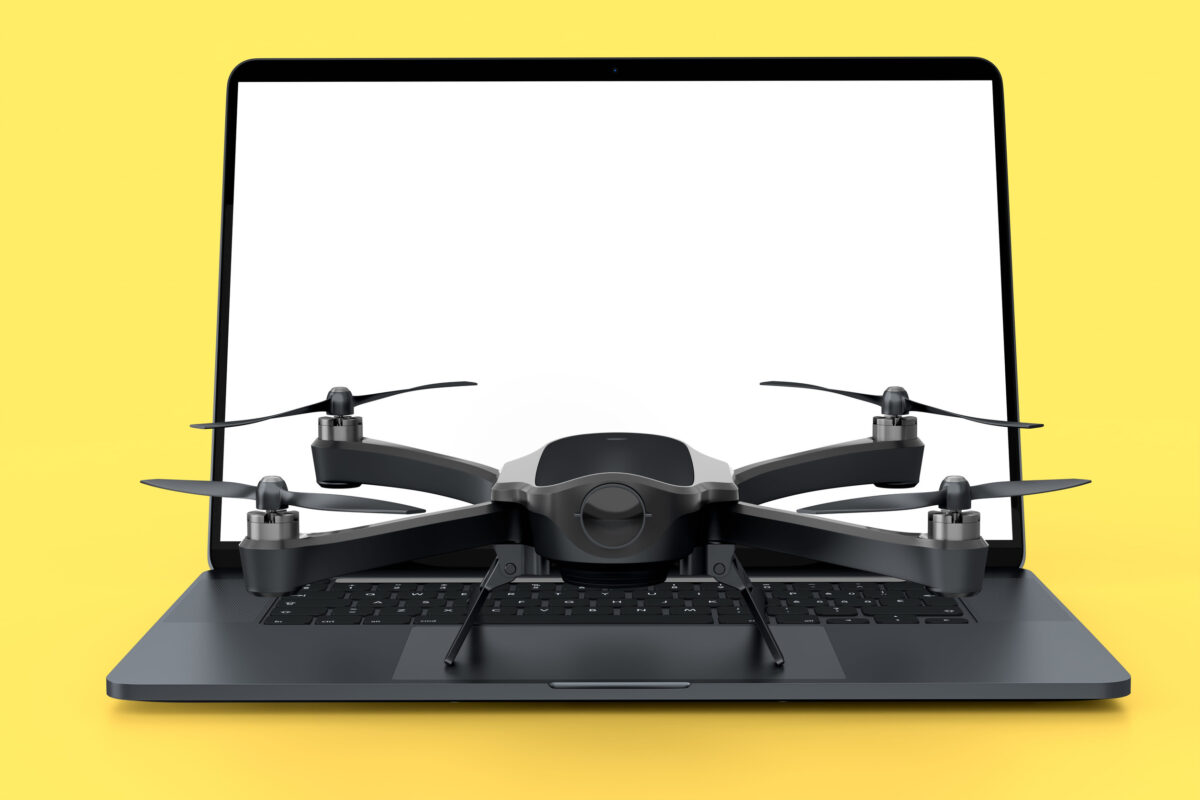
The modern drone is cheap, fast, and easy to launch. That is exactly what makes it useful for photographers, influencers, hobbyists, and sports fans chasing a dramatic aerial shot. It is also what makes it dangerous around a World Cup venue.
A drone hovering over a stadium is not just an annoyance. It can interrupt play, distract pilots, threaten crowds, or force security teams to respond as if the device may be carrying something more dangerous than a camera. In an event as large as the World Cup, officials cannot afford to guess which drone is innocent and which one is not.
That is why federal agencies have taken a hard line. The FAA created “No Drone Zones” around World Cup stadiums, fan events, and other tournament locations. On match days, drones and other aircraft are banned within a three-nautical-mile radius and up to 3,000 feet above ground level around stadiums unless specifically authorized. Fan-event restrictions can also apply within a one-nautical-mile radius and up to 1,000 feet above ground level.
For fans, that means the usual logic of “I’ll just fly for a minute” can become an expensive mistake. The FAA has warned that unauthorized drone operators can face fines of up to $100,000, confiscation of the drone, and possible federal criminal charges. Federal law enforcement also has authority to use special mitigation tools to identify, stop, and preserve evidence from unauthorized flights.
The World Cup Has Changed the Scale of the Threat
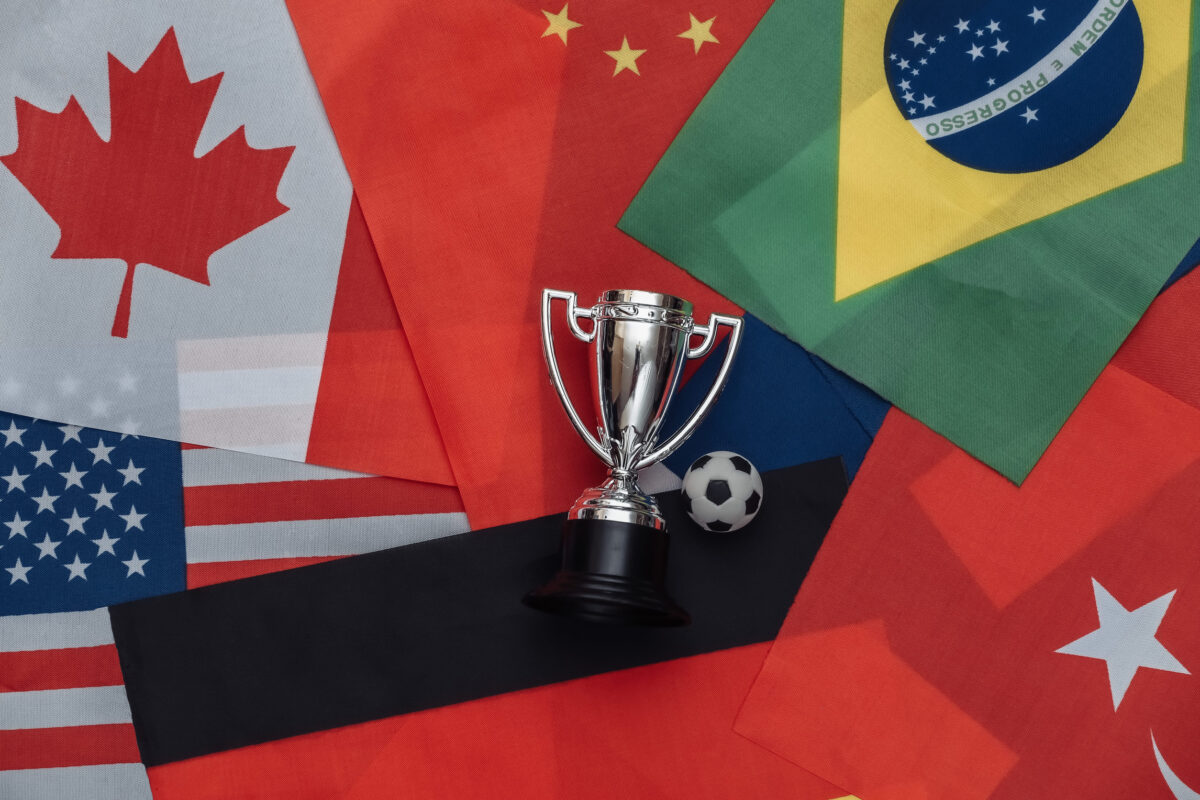
The 2026 World Cup is not a normal sports tournament. It is the first men’s World Cup with 48 teams and the first hosted across three countries: the United States, Canada, and Mexico. FIFA says the tournament runs from June 11 through the final on July 19, creating more than a month of high-profile matches, travel, fan zones, public gatherings, and security demands across North America.
That scale matters. A single Super Bowl or playoff game is difficult enough to secure. This World Cup spans multiple cities, stadiums, and weeks. Every match day brings new crowds. Every fan zone brings another open-air gathering. Every skyline shot becomes tempting content for someone with a drone in a backpack.
By late June, U.S. agencies had already seized more than 300 drones near World Cup sites, according to the TSA. Reuters reported that the restrictions covered stadiums and fan gatherings, with the FBI deploying teams to detect and disable unauthorized drones. Florida alone had seen dozens of drones confiscated and operators cited.
Now, with the FBI saying the number has climbed past 600, the message is unmistakable: enforcement is not theoretical. Authorities are finding the drones, tracing their operators, and confiscating the devices.
The crackdown also reflects a broader shift in American security. Drones are no longer treated as toys once they enter protected airspace. In recent years, officials have become more concerned about drones near airports, public events, borders, and critical infrastructure. The World Cup has simply turned that concern into a daily operational test.
Fans Want the Perfect Shot. Authorities Want the Sky Clear.
Part of the problem is cultural. Fans today do not just attend major events. They document them. They livestream the walk to the stadium, film the crowds, capture the skyline, and post the moment before it is over. A drone offers the kind of sweeping shot that once required a news helicopter.
But World Cup security is built around a different reality. A packed stadium is not a content backdrop. It is a protected zone. A fan festival is not an open invitation to fly overhead. It is a crowded public space where one falling drone can injure people, trigger panic, or force police to divert resources.
That tension is why the drone crackdown has become one of the quieter but most revealing stories of the tournament. It shows how major events are being reshaped by consumer technology. The same device used to film a wedding, a beach sunset, or a real estate listing can become a federal concern when it drifts into the wrong airspace.
For ordinary drone owners, the lesson is simple: check before you fly. Stadiums, fan zones, team bases, and downtown celebration areas may all carry temporary restrictions. Apps and FAA notices can help, but the burden is still on the operator. Not knowing the rule may not save someone from losing a drone or facing a fine.
The World Cup will be remembered for goals, upsets, flags, and roaring crowds. But above the noise, another contest is unfolding. It is not between teams. It is between the desire to capture everything and the need to protect everyone. For now, the FBI and its partners are making one thing clear: at this World Cup, the sky is part of the security perimeter.