Trump’s FIFA Intervention Over Folarin Balogun Suspension Sparks World Cup Controversy: “One Call” Turns Soccer Decision Into Global Debate
A single tackle. One red card. One presidential phone call.
What began as a routine World Cup disciplinary dispute has transformed into one of the tournament’s most debated stories. President Donald Trump revealed that he watched the controversial play involving U.S. striker Folarin Balogun, disagreed with the decision to suspend him, and spoke directly with FIFA President Gianni Infantino about the matter.
The decision has now moved beyond the soccer pitch, creating a worldwide conversation about fairness, influence, and whether politics should play a role in international sports decisions.
For American supporters, the outcome delivered a major boost by keeping one of the national team’s key attacking players available. For critics, the situation has raised questions about whether FIFA’s disciplinary system can remain completely independent when political pressure enters the conversation.
A Red Card That Became a World Cup-Wide Controversy
The controversy began during the United States’ 2-0 victory over Bosnia and Herzegovina, a result that strengthened confidence around the American team during its World Cup campaign.
However, the celebration quickly turned into uncertainty when Balogun was shown a red card after a VAR review changed the initial ruling on a challenge during the match.
The decision carried significant consequences because a red card in the knockout stages can immediately alter a team’s tournament chances. In this case, one player’s suspension meant the United States risked losing one of its most important attacking options for a crucial elimination match.
The situation became even more significant because the 2026 World Cup is being hosted across three countries, the United States, Canada, and Mexico, with 48 teams competing for the trophy. Every major decision involving a host nation naturally receives increased global attention.
Trump Steps Into the Soccer Debate
Trump said he personally watched the incident and believed Balogun did not deserve to miss the next match. According to his comments, he contacted FIFA President Gianni Infantino after reviewing the play and asked officials to take another look at the decision.
The involvement of a sitting U.S. president in a World Cup disciplinary matter immediately made the story unusual. Decisions involving referees and player suspensions typically remain inside soccer’s governing structures, making this intervention stand out.
The sequence created a remarkable situation involving a global sporting event, a national team, and political leadership. A single disciplinary decision suddenly involved the attention of millions of fans, international soccer officials, and one of the world’s most powerful political figures.
Trump later clarified that he was not attempting to order FIFA to change its ruling. Instead, he said he wanted the situation reviewed after seeing what he believed was an unfair call.
FIFA’s Decision Gives the U.S. a Major Boost
FIFA eventually allowed Balogun to return by removing the immediate one-match suspension through its disciplinary process, although the original red card remained part of the record.
For the United States, the decision represented a major competitive advantage. Having Balogun available meant the team kept an experienced attacking option during the most important stage of the tournament.
The impact was significant. Instead of entering a knockout match without one of its key forwards, the U.S. entered with its attacking depth intact.
Balogun’s presence matters because he represents a new generation of American soccer talent. His speed, finishing ability, and ability to create opportunities make him one of the players opponents must closely watch.
The ruling effectively turned a potential setback into a major opportunity for the U.S. team.
Belgium and European Officials Question the Decision
Although American fans welcomed FIFA’s decision, the ruling quickly created frustration among opponents, especially Belgium.
Belgian officials challenged Balogun’s availability, arguing that the decision created an unfair situation. European soccer voices also questioned why the suspension was changed and whether similar treatment would be given to other teams in future tournaments.
The criticism focused less on Balogun himself and more on the appearance of influence.
The timeline attracted attention:
A U.S. player received a suspension. The U.S. president publicly commented on the decision. Trump spoke with FIFA’s leadership. FIFA later changed the punishment.
Even if FIFA followed its own rules, critics argued that the situation created difficult questions about transparency and consistency.
Why This Controversy Matters More During the 2026 World Cup
The timing makes the controversy even more significant.
The 2026 World Cup is expected to be one of the largest sporting events in history, featuring 48 teams, 104 matches, and worldwide attention from billions of viewers.
Because the United States is serving as the primary host nation, every decision involving the American team will receive intense scrutiny.
The Balogun case highlights a larger challenge facing international sports organizations: maintaining trust when sports, politics, business interests, and national pride overlap.
FIFA has faced criticism over governance and transparency issues in the past. This latest dispute has renewed discussions about how global sports organizations can protect their independence while operating in a highly political environment.
Balogun Finds Himself at the Center of a Much Bigger Story
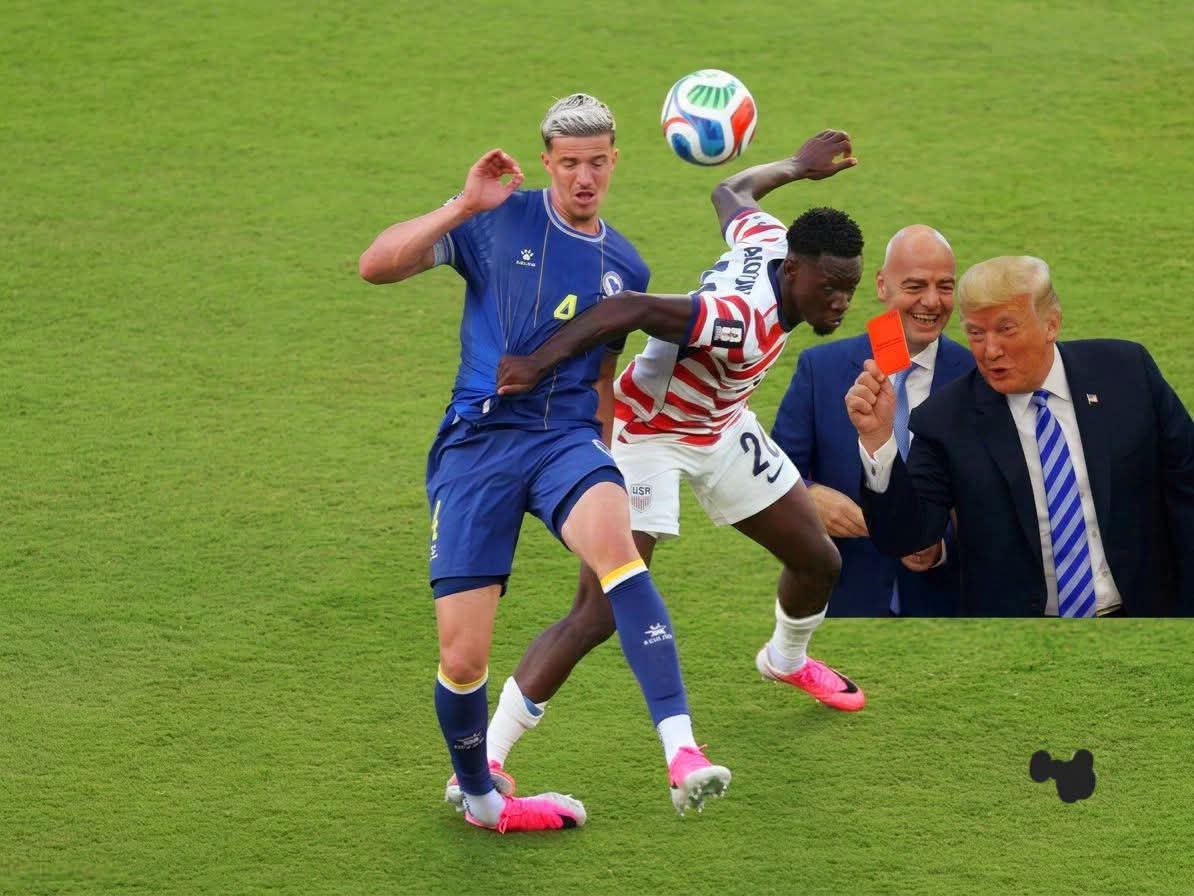
For Balogun, the controversy is not something he created. His focus remains on helping the United States succeed on the field.
But the situation has placed him in an unusual position. Every goal, assist, or major moment during the tournament will now be viewed through the lens of the wider debate surrounding his suspension.
If Balogun helps the United States advance, supporters may see it as a comeback moment after a controversial decision. Critics, however, may continue questioning whether the process was handled fairly.
A player who was once simply focused on scoring goals has now become connected to a much larger conversation about power and influence in international sports.
FIFA Faces a Bigger Trust Test
The Balogun suspension dispute may be over officially, but the questions surrounding it remain.
The central issue is no longer only whether Balogun should have played. The bigger question is whether fans believe FIFA would make the same decision if the circumstances involved another country, another player, or another tournament.
For the United States, FIFA’s ruling provides an important advantage during a historic home World Cup.
For FIFA, the controversy represents another test of public confidence.
And for Trump, it becomes another example of how his involvement can transform even a soccer disciplinary decision into a global political conversation.
A red card lasted only seconds.
The debate surrounding it could define one of the most talked-about moments of the 2026 World Cup.