Best Places to Retire in North Carolina: 10 Cities Where Your Retirement Savings Can Go Further.
North Carolina has quietly become one of America’s most attractive retirement destinations, offering a combination that is difficult to find in one state: affordable communities, nationally recognized health care, scenic landscapes, mild weather, and a lifestyle that can change completely depending on where you settle.
A retiree can spend one morning walking along the Atlantic coastline, another exploring the Blue Ridge Mountains, and another attending a university lecture or enjoying a downtown arts event. That variety is one reason thousands of older adults continue choosing North Carolina as they plan their next chapter.
The state also offers several financial advantages for retirees. North Carolina does not tax Social Security benefits, and qualifying military retirement income receives favorable tax treatment. The state’s flat personal income tax rate is set at 3.99% for tax years after 2025, giving many retirees a more predictable financial picture than in states with higher graduated income taxes.
However, choosing the right retirement city is about more than taxes. Housing costs, access to hospitals, transportation, community activities, climate, and daily lifestyle all play a role. The best retirement destination depends on whether someone wants mountain views, coastal living, a university environment, or a quieter small city.
Raleigh, Durham, and Chapel Hill: Best Overall Retirement Destination
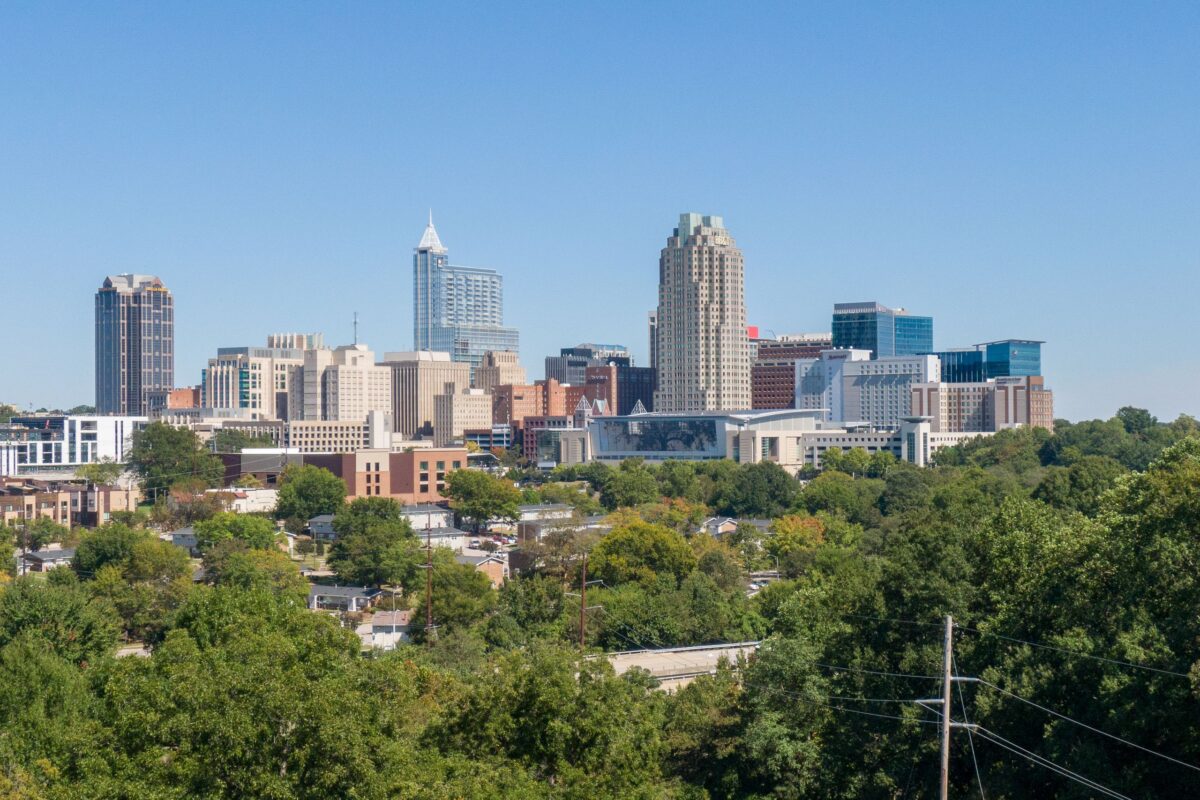
The Research Triangle remains one of North Carolina’s strongest retirement choices because it combines world-class health care, education, culture, and economic stability.
The Raleigh-Durham-Chapel Hill area gives retirees access to some of the state’s most respected medical institutions, including Duke University Hospital and UNC Medical Center. For older adults who want confidence that specialists, advanced treatments, and research-based care are nearby, few places in the state offer this level of assurance.
The region also stands out because retirement does not have to mean slowing down. Residents can attend concerts, explore museums, join community organizations, take continuing education classes, or participate in university activities.
North Carolina residents aged 65 and older can audit courses at public universities through the University of North Carolina system without paying tuition, creating opportunities for lifelong learning.
The biggest challenge is cost. The Triangle has experienced rapid population growth, and housing prices have increased as more people move into the region. Retirees looking for affordability may need to explore surrounding communities rather than the most expensive neighborhoods.
For retirees who value health care, education, restaurants, and an active social life, the Triangle remains one of the strongest choices in the state.
Asheville: Best Mountain Retirement City

Few retirement destinations offer Asheville’s personality. Located in the Blue Ridge Mountains, the city attracts retirees seeking natural beauty alongside creativity, culture, and outdoor adventure.
Asheville offers access to hiking trails, scenic drives, waterfalls, art galleries, local restaurants, and historic attractions. The nearby Blue Ridge Parkway provides some of the most famous mountain scenery in the country, while Great Smoky Mountains National Park is within driving distance.
The city has developed a reputation for its food scene, craft beverage industry, and strong arts community. Many retirees choose Asheville for a retirement filled with experiences rather than simply a quieter place to live.
The city also appeals to people looking for an active lifestyle. Walking trails, outdoor groups, music events, farmers’ markets, and community activities make it easier for newcomers to build connections.
The tradeoff is affordability. Asheville is no longer the inexpensive mountain escape it once was. Rising demand has driven up home prices, and retirees should carefully consider property taxes, insurance costs, and access to medical services when looking outside the city center.
For retirees who dream of mountain mornings, cultural events, and an unconventional community, Asheville remains one of North Carolina’s most appealing options.
Greensboro: Best Affordable City With Big City Benefits

Greensboro offers something many retirees want but often struggle to find: a city with enough amenities without the price tag of larger metropolitan areas.
Located in the Piedmont Triad region, Greensboro provides access to restaurants, parks, museums, universities, hospitals, and entertainment while maintaining a more relaxed pace than Charlotte or Raleigh.
Housing affordability is one of Greensboro’s biggest advantages. Many retirees relocating from expensive states can sell their homes elsewhere and purchase a more comfortable property at a lower cost.
The city also has a strong health care system, including major medical facilities such as Cone Health. This makes Greensboro attractive for retirees who want reasonable housing costs without sacrificing access to medical care.
Greensboro is also well positioned geographically. Residents can reach Winston-Salem, High Point, Charlotte, and Raleigh for larger events or specialized services while enjoying a less crowded daily environment.
For retirees seeking balance, Greensboro offers a practical combination of affordability, convenience, and quality of life.
Winston-Salem: Best for Health Care and Culture
Winston-Salem is often overlooked, but it has many qualities retirees prioritize. The city combines a lower cost of living with strong medical care, arts, history, and community activities.
The city is home to Wake Forest University and Atrium Health Wake Forest Baptist Medical Center, providing residents with access to education and advanced healthcare services.
Winston-Salem also has a rich cultural identity. Retirees can enjoy theaters, museums, gardens, festivals, and nearby wineries in the Yadkin Valley.
Unlike some rapidly growing North Carolina cities, Winston-Salem still maintains a more established community feel. Many neighborhoods offer mature trees, historic homes, and a slower pace while remaining close to everyday conveniences.
The city is especially attractive to retirees seeking a comfortable lifestyle without the higher housing costs found in some of the state’s most popular retirement destinations.
Hickory: Best Budget-Friendly Mountain Area Retirement
Hickory has gained attention among retirees seeking affordability without sacrificing scenic surroundings. Located near the foothills of the Appalachian Mountains, Hickory provides easy access to outdoor recreation while maintaining a lower cost of living than many popular mountain communities.
The city offers a small-town atmosphere with restaurants, cultural events, shopping areas, and community activities. It is also within driving distance of both Asheville and Charlotte, allowing residents to enjoy larger city attractions when needed.
Hickory is particularly appealing for retirees who want their savings to last longer. Lower housing costs can allow retirees to spend more on travel, hobbies, family visits, or healthcare needs.
While it does not have the same entertainment options as larger cities, Hickory’s appeal comes from simplicity, affordability, and location.
Charlotte: Best Retirement Choice for Big City Living

Charlotte offers a different retirement experience. Instead of a quiet mountain town or coastal community, it provides the energy of a major American city.
North Carolina’s largest city is home to professional sports teams, museums, theaters, restaurants, shopping districts, and one of the busiest airports in the region.
For retirees who want to remain socially active, volunteer, work part-time, or stay connected to business opportunities, Charlotte offers more possibilities than most communities in the state. The city also provides strong medical options through major hospital networks, including Atrium Health and Novant Health.
The downside is cost. Charlotte’s growth has increased housing prices and traffic congestion. Retirees seeking a quieter lifestyle may prefer nearby communities such as Matthews, Mint Hill, or Belmont. For those who want convenience and urban amenities, Charlotte remains North Carolina’s premier big city retirement option.
Wilmington: Best Coastal Retirement Community
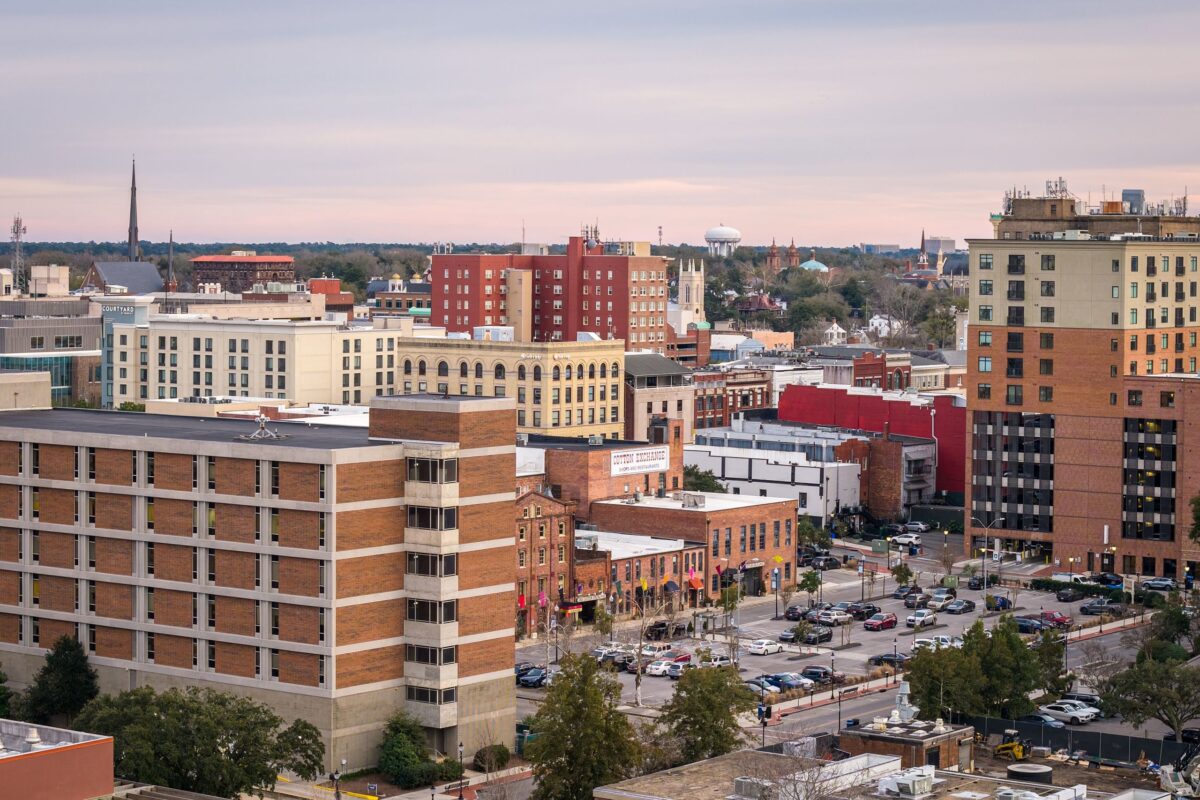
For retirees who have always imagined living near the ocean, Wilmington offers one of North Carolina’s best coastal lifestyles.
The city combines historic charm with beach access, offering nearby destinations such as Wrightsville Beach, Carolina Beach, and Kure Beach. Wilmington provides more than a vacation atmosphere. It has hospitals, restaurants, cultural events, shopping, and a growing community of retirees.
The historic downtown area, riverwalk, and coastal environment create a lifestyle centered around outdoor activities and social connection. However, coastal retirement requires planning. Homeowners need to consider flood risks, insurance costs, and hurricane preparation before purchasing property.
For retirees who value ocean views, boating, and warm coastal living, Wilmington remains one of the state’s most attractive choices.
Fayetteville: Best for Military Retirees
Fayetteville stands out because of its strong connection to the military community and affordability. Located near Fort Liberty, one of the world’s largest military installations, the city has long been welcoming to veterans and military families.
The area offers lower housing costs compared with many other North Carolina cities, making it attractive for retirees living on fixed incomes or military retirement benefits. Fayetteville also provides parks, museums, healthcare facilities, and community programs designed for residents of all ages.
It may not have the mountain scenery of Asheville or the coastal appeal of Wilmington, but its affordability and veteran-friendly environment make it an excellent retirement choice.
Pinehurst and Southern Pines: Best Golf Retirement Community
For retirees who want an active lifestyle centered around recreation, Pinehurst and Southern Pines are among the state’s most unique options.
Known internationally for golf, the area offers beautiful neighborhoods, country clubs, restaurants, and a slower pace of life. The community attracts retirees who enjoy outdoor activities, social clubs, and resort-style living.
The area is more expensive than some other retirement destinations, but many residents consider the lifestyle worth the investment.
North Carolina Offers More Than a Place to Retire, It Offers a Lifestyle
North Carolina offers retirees something few states can match: choice. Those seeking world-class hospitals and education can find it in the Triangle. Those searching for mountain beauty can choose Asheville or Hickory. Those wanting affordability can look toward Greensboro, Winston-Salem, or Fayetteville. Those dreaming of coastal mornings can consider Wilmington.
The best retirement location is not simply the city with the lowest housing prices or the most beautiful scenery. It is the place where financial security, healthcare access, community, and personal interests come together.
For retirees planning the next chapter of life, North Carolina provides the flexibility to build a retirement that feels less like slowing down and more like starting something new.