Trump Warns Iran of New Strikes as Fragile Ceasefire Collapses and Middle East Tensions Surge
The fragile pause between the United States and Iran is rapidly falling apart as President Donald Trump warns that more military strikes could be coming, raising fears that a temporary conflict could spiral into a wider regional war. After days of escalating attacks, Trump declared that the ceasefire with Tehran was effectively over, accusing Iran of violating agreements and warning that American forces were prepared to respond with additional force.
The warning came after a series of attacks in the Strait of Hormuz, one of the world’s most important energy routes, where Iran allegedly targeted commercial ships, triggering U.S. retaliation and a dangerous new round of military exchanges. With oil markets already reacting, regional allies placed on alert, and diplomatic efforts hanging by a thread, the possibility of a renewed war has pushed the Middle East into another uncertain and volatile moment.
Trump Says Iran “Behaved Very Badly” as U.S. Prepares Possible New Attacks
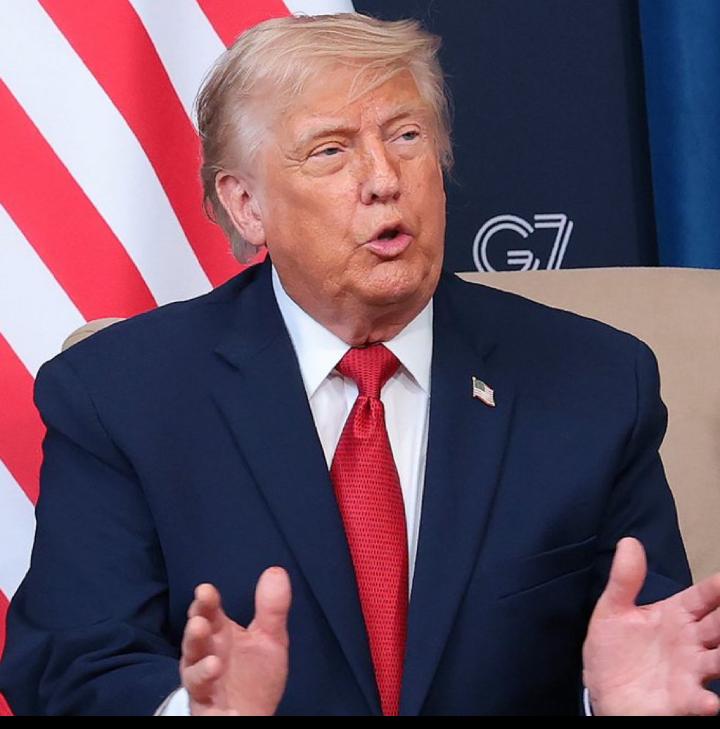
Speaking during the NATO summit in Ankara, Turkey, Trump delivered a blunt message when asked whether fighting could resume. “We hit them very hard last night,” Trump said. “We’ll probably hit them hard again tonight.” The president said the strikes were a direct response to Iranian attacks on commercial vessels traveling through the Strait of Hormuz, accusing Tehran of threatening international shipping and destabilizing a critical global trade route.
Trump also renewed previous threats against Iran’s infrastructure, including energy facilities and other strategic targets. The comments immediately raised concerns that the conflict could expand beyond limited military exchanges and move into a larger confrontation involving multiple countries across the region. Although Trump said negotiations could continue, he expressed deep skepticism about Iran’s willingness to reach a lasting agreement. “For me, I think it’s over,” Trump said when discussing the ceasefire. He added that talks could continue but suggested diplomatic efforts might be pointless. “They can talk, but I think they’re wasting their time,” he said.
Ceasefire Breaks Down After Attacks in the Strait of Hormuz
The latest crisis began after Iran and the United States appeared to move toward a temporary agreement designed to reduce tensions. That arrangement aimed to reopen the Strait of Hormuz, ease restrictions on energy shipments, and create space for broader negotiations involving Iran’s nuclear program and international sanctions. But the agreement quickly came under pressure after attacks on commercial ships in the strategic waterway.
The United States accused Iran of targeting three vessels, leading American forces to launch retaliatory strikes against Iranian military positions. Iran responded with attacks targeting U.S. interests in the Gulf region, including locations connected to American military operations. The exchange has created fears that the conflict could become harder to control. The Strait of Hormuz is especially important because a significant portion of the world’s oil and natural gas shipments pass through the narrow waterway. Any prolonged disruption could affect energy prices, inflation, and global markets.
Iran Rejects Pressure as Leaders Promise Resistance
Iranian officials have rejected U.S. accusations and vowed to continue resisting American pressure. Iranian Parliament Speaker Mohammad Bagher Qalibaf responded defiantly, saying the country would not surrender to threats or intimidation. “The era of bullying and extortion is over,” Qalibaf said. The statement reflects a broader divide within Iran’s leadership.
Some officials reportedly favor negotiations that could bring sanctions relief and economic stability. Others argue that maintaining control over strategic assets, including the Strait of Hormuz, gives Iran leverage against Western powers. That internal disagreement has complicated diplomatic efforts and made it difficult for negotiators to guarantee a long-term agreement.
The Strait of Hormuz Becomes the Center of a Global Crisis
Few locations carry as much economic importance as the Strait of Hormuz. The narrow passage between Iran and Oman serves as a gateway for energy shipments moving from the Persian Gulf to global markets. Before the conflict, roughly one-fifth of the world’s traded oil and natural gas supplies passed through the waterway. That makes any military activity in the area a global concern.
When ships are threatened, insurance costs rise. When energy routes become uncertain, oil prices increase. When fuel prices rise, consumers often feel the impact through transportation costs, food prices, and household expenses. Following Trump’s comments, international oil prices climbed sharply as traders reacted to fears of renewed conflict. A prolonged military confrontation could create another economic shock at a time when many countries are already facing inflationary pressures.
U.S. Military Targets Iranian Defenses and Revolutionary Guard Assets
The U.S. military said its strikes were aimed at reducing Iran’s ability to threaten commercial shipping. According to U.S. Central Command, American forces targeted Iranian air-defense systems, radar installations, and dozens of small boats linked to Iran’s Revolutionary Guard. Those small vessels have been a major concern for military planners because they can operate quickly in the narrow waters of the Gulf and potentially threaten larger commercial ships.
The United States said the strikes were designed to impose costs on Iran for attacking civilian shipping. Iran, however, has described American actions as aggression and has continued warning regional countries against supporting U.S. operations.
Regional Allies Brace for More Attacks
The conflict has already affected neighboring countries. Bahrain and Kuwait, both closely connected to U.S. military operations in the Gulf, reported missile alerts following Iranian attacks. Kuwait said its defenses intercepted missiles and drones launched from Iran. The country also reported damage caused by falling debris.
The developments have increased concerns that the conflict could spread beyond direct U.S.-Iran confrontation and involve other Middle Eastern nations. Diplomats across the region have urged restraint, warning that continued escalation could threaten security, trade, and energy supplies.
Iranian Oil Sales Become Another Pressure Point
The conflict has also affected Iran’s economy. The United States revoked a license that had temporarily allowed Iran to sell oil openly through international financial channels. The move represents another attempt to pressure Tehran economically while limiting its ability to generate revenue.
Iran has historically relied on oil exports despite international sanctions, including sales through alternative channels. The latest restrictions could increase economic pressure on the Iranian government at a time when the country is already facing inflation, currency challenges, and domestic dissatisfaction.
Diplomacy Faces Its Biggest Test Yet
The future of negotiations remains uncertain.
Talks were expected to focus on several major issues, including:
- The reopening of the Strait of Hormuz
- Iran’s nuclear activities
- International sanctions
- Long-term security arrangements
But the latest military exchanges have damaged trust between both sides.
Each government has accused the other of violating agreements, making a permanent settlement increasingly difficult. The challenge for diplomats is preventing a cycle where each retaliation creates pressure for another response.
A Dangerous Moment for the Middle East and Global Markets
The latest confrontation between the United States and Iran has pushed the region toward another dangerous turning point. Trump’s warning of additional strikes signals that Washington is prepared to continue military action if attacks on shipping and American interests continue.
Iran’s refusal to back down suggests Tehran is also willing to absorb pressure rather than accept demands it considers unacceptable. Between military threats, economic consequences, and the collapse of diplomatic trust, the next steps could determine whether this remains a limited confrontation or becomes a much larger regional conflict. For now, the world is watching the Strait of Hormuz, where a single attack or miscalculation could reshape the future of the Middle East.