Chain Restaurants Under Pressure in 2026 as Americans Shift Spending and Mid-Tier Dining Takes the Hardest Hit
Chain restaurants across the United States are entering 2026 under growing financial pressure as shifting consumer habits, higher operating costs, and uneven demand reshape the industry. While some brands continue to grow, many mid-tier casual dining chains are struggling to maintain traffic and profitability.
The changes are not tied to a single company or event. Instead, they reflect a broader realignment in how Americans eat out, where they spend, and what they expect for the price they pay.
Rising Costs Reshape the Restaurant Industry
Restaurant operators are facing sustained increases in food, labor, and supply chain expenses. Many chains have raised menu prices multiple times over the past two years to offset costs, but those increases are now affecting customer behavior.
Higher prices have pushed some diners to cut back on restaurant visits entirely. Others are shifting toward cheaper fast-food options or choosing fewer, higher-quality dining experiences.
Industry analysts say the middle of the market is feeling the most pressure. Value-focused fast-food and premium fast-casual brands are holding stronger positions, while traditional sit-down chains are recovering more slowly.
Consumer Behavior Is Splitting the Market
The most noticeable change in 2026 is how sharply consumer spending is dividing.
Budget-conscious diners are turning to value menus at major fast food chains. At the same time, higher-income customers remain willing to spend more on elevated dining experiences that offer higher-quality ingredients or faster service.
This shift leaves many mid-tier casual dining restaurants caught in the middle. These chains often lack the pricing flexibility of fast food giants and the premium appeal of upscale fast-casual competitors.
The result is uneven performance across the industry, with some brands thriving while others struggle to maintain consistent traffic.
Closures and Restructuring Continue Across the Sector
Several restaurant brands have already announced closures, restructuring plans, or financial reviews as the industry adjusts to new conditions.
Casual dining chains, in particular, have been affected, especially those with high overhead costs, aging locations, or a weaker brand identity among younger consumers.
In many cases, companies are reducing their physical footprint, closing underperforming stores, and focusing on core markets. Others are investing heavily in digital ordering, delivery partnerships, and loyalty programs to stabilize revenue.
Even established brands are not immune to pressure as competition intensifies and customer expectations continue to change.
Winners and Losers in a Changing Market
Not all restaurant chains are struggling. Some brands are outperforming the industry by adapting quickly to consumer trends.
Fast food leaders continue to benefit from strong value positioning and aggressive promotions. Chains like McDonald’s and Taco Bell have leaned into limited-time deals and app-based discounts to drive traffic.
Fast-casual brands are also gaining ground by offering a balance between quality and convenience. Chains such as Cava and Chipotle continue to attract customers looking for fresher, customizable meals without full-service pricing.
On the other side, traditional sit-down chains are facing more pressure. Many rely on higher labor costs and larger dining spaces, which makes it harder to compete in a price-sensitive environment.
Inflation and Value Expectations Drive Change
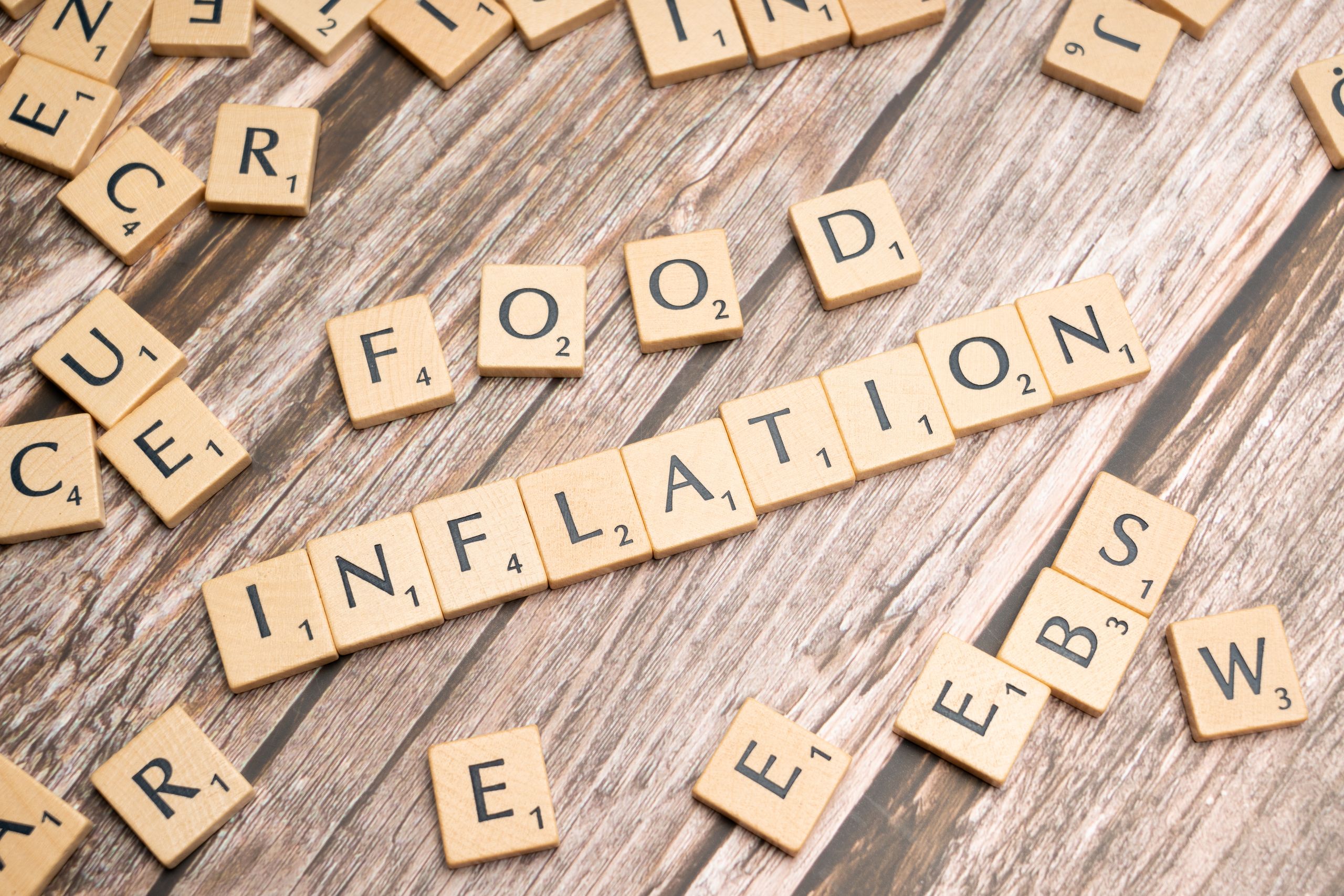
Inflation remains a key factor shaping the industry. Even as inflation cools in some areas, the cumulative impact of years of higher prices has changed how consumers view restaurant value.
Customers are now more selective, often comparing restaurant meals to grocery costs before deciding whether to eat out. That comparison has reduced impulse dining and increased demand for perceived value.
Restaurants that fail to meet those expectations risk losing repeat customers, even if their food quality remains stable.
Technology and Delivery Add New Pressure
The rise of delivery apps and digital ordering has also changed how restaurants operate. While delivery can increase reach, it also reduces margins due to platform fees and operational costs.
Some chains have invested heavily in app-based ordering systems to improve efficiency. Others continue to rely on in-store dining, which can be more expensive to maintain in a high-cost environment.
This split has created another layer of competition, as brands now compete not only for customers but also for visibility across digital platforms.
Industry Outlook for 2026
Looking ahead, analysts expect continued restructuring across the restaurant sector. Chains with strong branding, flexible pricing, and efficient operations are expected to remain stable or grow.
However, weaker mid-tier brands may continue to face closures, mergers, or rebrandings as they adapt to new consumer expectations.
The industry is not collapsing, but it is clearly reorganizing. The traditional model of casual dining that once dominated American suburbs is under the most pressure it has faced in decades.
A Market Defined by Adaptation
The restaurant industry in 2026 is being shaped by adaptation rather than expansion. Success now depends on how quickly chains respond to changing costs, shifting consumer habits, and evolving definitions of value.
For many brands, the next year will determine whether they can adapt to the new market reality or continue to lose ground in an increasingly divided dining landscape.