9 Terrifying Sports Injuries That Ended Careers Instantly
Sports can be exhilarating, inspiring, and at times, brutally unforgiving. Athletes push their bodies to extremes, chasing glory and records, yet the line between triumph and tragedy can be razor-thin. A single moment,one slip, awkward landing, or miscalculated move,can instantly shatter not just bones, but dreams. While fans cheer, behind the scenes, careers vanish in an instant, leaving athletes to cope with a lifetime of what-ifs. These nine terrifying injuries illustrate just how fragile athletic fame can be and why even elite preparation sometimes fails against sheer misfortune.
The following injuries are not just statistics; they are life-altering events that serve as stark reminders of the physical costs of competition. Some happened during high-profile televised moments, shocking millions, while others occurred in quieter training sessions, unseen until the devastating aftermath became clear. Each injury demonstrates the sudden, unforgiving nature of sports, often ending careers in ways that no rehabilitation can fully repair. From bone-crushing impacts to career-ending concussions, these moments reveal the fragile reality behind the glory.
ACL Tear in Football Careers

Anterior cruciate ligament tears are among the most feared injuries in football, capable of ending careers in a single play. Athletes often suffer these when pivoting, tackling, or awkwardly landing after a jump. The ligament stabilizes the knee, and when it snaps, players experience immediate pain and swelling. Recovery requires months of surgery and rehab, but even with the best care, returning to peak performance is uncertain. Many promising careers in professional football have vanished due to this sudden and severe knee injury.
For some players, the ACL tear becomes a psychological barrier as much as a physical one. Fear of re-injury alters movement patterns, reducing speed and confidence on the field. Teams may hesitate to re-sign injured athletes, leaving careers cut short not by the injury alone, but by the ripple effects on professional opportunities. The ACL’s vulnerability highlights how a single misstep can instantly turn an athlete from a rising star into a cautionary tale for others.
Achilles Tendon Rupture in Basketball
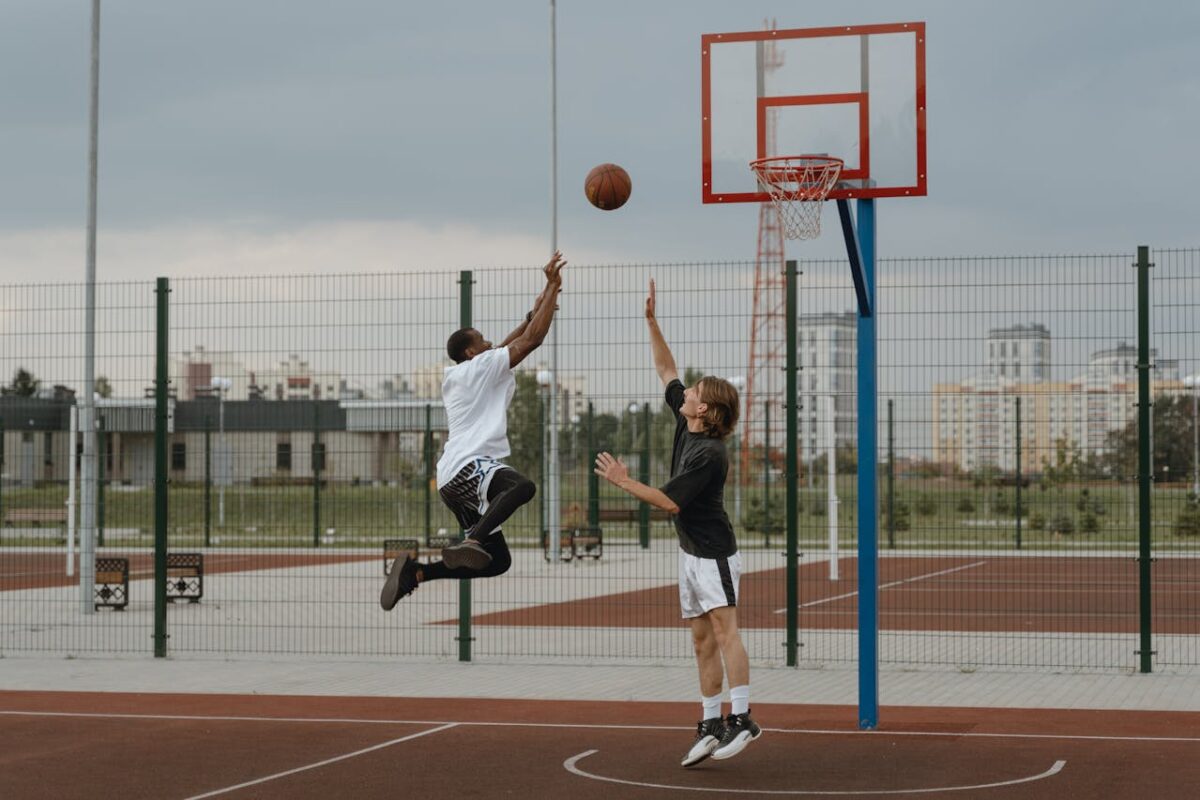
The Achilles tendon connects the calf muscles to the heel, and its rupture is among basketball’s most career-threatening injuries. Often occurring during sudden sprints, jumps, or pivots, the rupture leaves athletes unable to push off the foot. The pain is immediate and intense, with surgery often required to restore function. Recovery is long, and many never regain previous explosiveness or vertical leap. Legends in basketball have had their careers abruptly halted by a single misstep that tore this critical tendon.
Beyond physical limitations, an Achilles rupture carries an enormous mental challenge. Athletes may struggle to trust their bodies again, and performance anxiety can hinder full engagement on the court. Even with rehabilitation, the gap between pre-injury capability and post-injury reality can be insurmountable, making Achilles ruptures among the most feared single-play injuries in sports.
. Compound Fractures in Hockey
Hockey players skate at high speeds on ice, wielding sticks and colliding with opponents and boards. Compound fractures, where the bone pierces through the skin, are not just excruciating,they carry infection risks and long-term mobility concerns. A single high-impact collision can leave a player with shattered bones and a career that may never resume. Rehabilitation is grueling, and some athletes must abandon the sport entirely. Such injuries illustrate how the combination of speed, hard surfaces, and physical contact can abruptly end careers.
The visual shock of a bone protruding from the skin leaves an indelible mark on fans and teammates alike. While protective gear reduces some risks, the unpredictable nature of hockey means that even the most seasoned players remain vulnerable. Compound fractures are reminders of the sport’s intensity and the harsh consequences of a momentary collision.
Severe Concussions in Football and Hockey
Repeated or severe concussions can instantly end athletic careers, particularly in contact sports like football and hockey. A single head impact can cause loss of consciousness, cognitive deficits, and chronic neurological issues. Teams and leagues have become increasingly cautious, recognizing that the long-term health risks often outweigh players’ desire to continue. Careers that once seemed unstoppable have been halted after one brain injury, demonstrating the fragile boundary between safety and ambition.
Athletes facing career-ending concussions often confront a new reality beyond the field or rink. Beyond immediate health concerns, cognitive and emotional challenges can persist, affecting quality of life. Awareness of concussion risks has grown, yet the shock of seeing a promising athlete’s career vanish in a single hit remains profound.
Spinal Cord Injuries in Gymnastics

Gymnastics is breathtaking in its grace and precision, but high-flying flips carry catastrophic potential. Misjudged landings can compress or sever the spinal cord, leading to paralysis or career-ending limitations. Even minor vertebral damage can prevent athletes from performing at elite levels. The sport demands perfection, leaving no room for error. These spinal injuries show how the pursuit of athletic excellence sometimes collides with the harshest physical realities.
The emotional toll of such injuries is immense, as gymnasts often dedicate their lives to routines perfected over years. A single vault or dismount can abruptly close the door on Olympic dreams, leaving athletes to navigate a life far different from the one they envisioned. Spinal cord injuries remain among the most feared in gymnastics and illustrate the sport’s unforgiving nature.
Torn Rotator Cuff in Baseball Pitchers
Baseball pitchers rely on shoulder integrity for velocity and control, making rotator cuff tears particularly devastating. A sudden tear can occur from repetitive stress or one forceful pitch. Surgical repair is possible, but returning to pre-injury throwing strength is uncertain, and many careers have ended despite the best medical interventions. This injury is a reminder that even gradual strain can culminate in an instant career-ending moment, turning professional seasons into an athlete’s final chapter.
Recovery is complex because the shoulder is a delicate and highly mobile joint. Pitchers face not only physical rehabilitation but also psychological hurdles in trusting their arms again. The rotator cuff tear epitomizes how repetitive use, combined with a single misstep, can abruptly end a promising career.
Neck Injuries in American Football

Neck injuries are notoriously serious in football, often resulting from helmet-to-helmet collisions or awkward tackles. Damage to cervical vertebrae or discs can create paralysis risks, prompting immediate medical intervention and career cessation. Even minor misalignment can preclude a return to professional play. For many, a momentary hit changes their lives forever, underlining football’s inherent dangers and the extreme caution required for neck health.
Players with neck injuries face rigorous medical evaluations before returning, and even clearance may not ensure safety. The suddenness and severity of such injuries make them career-ending almost by default, with the long-term health stakes far outweighing the desire to compete. Awareness and prevention have improved, but the threat remains omnipresent.
Patellar Tendon Rupture in Track and Field
Track athletes push their knees to the limits of explosiveness, and the patellar tendon is crucial for running, jumping, and pivoting. Ruptures typically occur during a sprint start or landing from a jump, instantly disabling leg extension. Surgery is necessary, but full recovery is uncertain, and many track careers are truncated immediately. This tendon injury illustrates how even a split-second miscalculation can obliterate competitive momentum and end years of dedication in an instant.
Beyond physical recovery, the mental toll of trusting the leg again is significant. Fear of reinjury can hinder explosive performance, and sponsors or teams may shift focus elsewhere. Track and field careers are especially fragile because speed and power cannot easily be reconstructed post-injury.
Eye Injuries in Combat Sports
Boxing, MMA, and other combat sports carry a high risk for ocular injuries. A direct strike can rupture an eye, detach the retina, or cause permanent vision impairment, immediately ending a professional career. These injuries are terrifying not only for their career-ending potential but also for the lifelong consequences on vision. Athletes in combat sports must accept that one punch can erase years of training and competition. Eye injuries starkly illustrate the unforgiving nature of full-contact sports.
Even protective headgear cannot fully eliminate risk in professional bouts. For fighters, a single miscalculated move or defensive lapse can abruptly end the sport they have dedicated their lives to. Eye injuries are a potent reminder of the stakes in combat sports and the thin margin between success and sudden retirement.
Conclusion
These nine injuries reveal a stark truth about professional athletics: talent, preparation, and resilience can all be undone in a single instant. Careers vanish, dreams shatter, and athletes are left to redefine themselves outside the arena of their passion. While some return after grueling rehabilitation, many never regain their former glory, making each of these injuries terrifying not just physically, but emotionally and professionally. Fans may see only the performance, but the sudden fragility of these careers reminds us that the pursuit of athletic greatness comes with enormous risks. Every ACL tear, Achilles rupture, spinal injury, or eye trauma underscores the unforgiving reality behind the glory, leaving a permanent mark on sports history and the lives of those who dared to compete.