Your Favorite Tea Might Say More About Your Day Than You Think
One person reaches for strong black tea, while another wants something floral, grassy, or soothing.
Tea has a funny way of becoming personal. Some people want a powerful cup first thing in the morning, others keep delicate green tea nearby all afternoon, and some would happily drink peppermint or chamomile long after the coffee drinkers have gone to bed. With so many choices, “tea” is less a single drink than a whole world of flavors, rituals and moods.
And here is the fascinating part: many of the teas sitting beside each other in the supermarket actually begin with the same plant. Black, green, white, and oolong teas all come from Camellia sinensis; what changes is how those leaves are processed. Herbal favorites such as chamomile and peppermint are different altogether because they come from other plants.
The Classic Black Tea Person
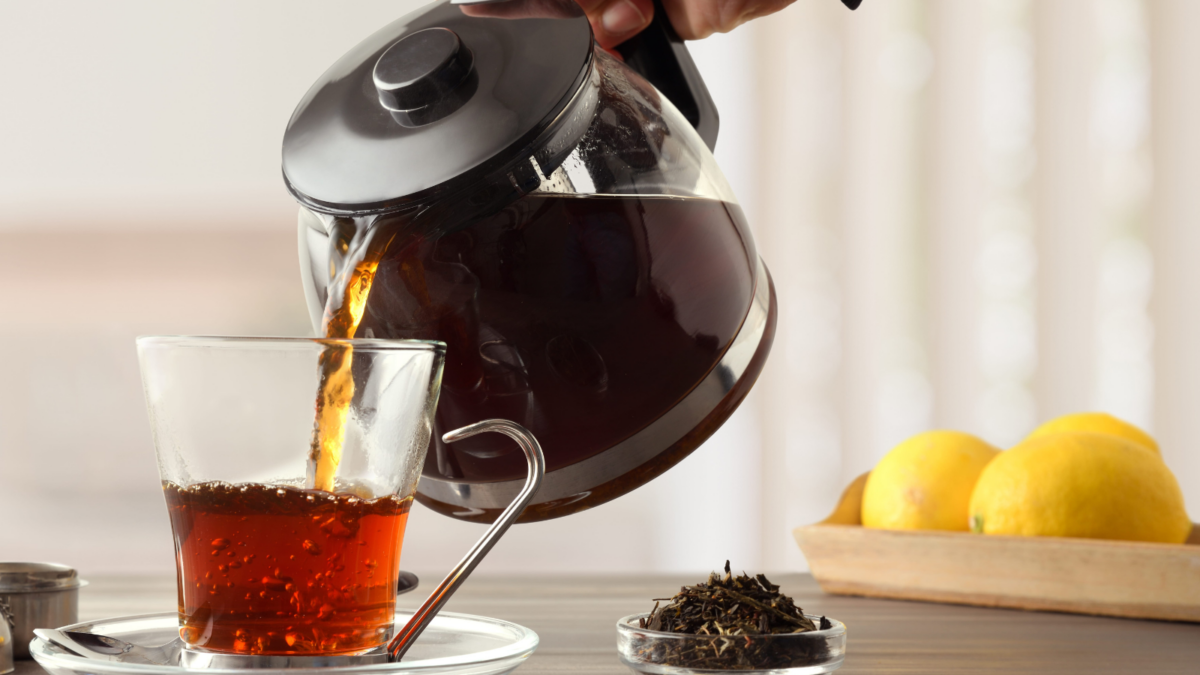
If you like your tea dark, brisk, and able to wake up the room, black tea probably has your number.
Black tea gets its deeper color and stronger flavor from extensive oxidation after the leaves are harvested. That process produces the bold character people associate with English Breakfast, Assam and many Ceylon teas. But good black tea can be far more interesting than the basic tea bag suggests, with flavors ranging from malty and fruity to floral, citrusy and even smoky.
Tea also has a fascinating history behind its popularity. Smithsonian’s account of tea’s journey from China to the Western world notes that black tea eventually became particularly dominant in Western countries. In contrast, green tea retained a stronger cultural presence in China and Japan.
Related: 6 Morning Beverages That People Around The World Enjoy
Green Tea Is a Completely Different Mood
Green tea can taste almost like the countryside found its way into your cup.
Because green tea is heated soon after harvesting to prevent extensive oxidation, it keeps a fresher character than black tea. Depending on the variety and preparation, you might notice grassy, vegetal, nutty, sweet, or slightly bitter notes. Matcha takes it further because the tea leaves are ground into a fine powder rather than steeped and discarded.
That makes green tea especially interesting for people who enjoy the ritual as much as the drink itself. A cup can be quick and casual, or it can become a small pause in a busy day—one of those simple habits that recharge your mind and body without much effort.
Oolong Is for the Curious
Oolong is the tea for people who cannot decide whether they want something light and floral or deep and roasted.
It sits between green and black tea in processing, with partial oxidation creating an enormous range of styles. Some oolongs are delicate and floral, while others are toasted, creamy, fruity or almost dessert-like. The same basic tea plant can therefore produce a cup that feels completely different depending on how the leaves are handled.
Serious Eats’ exploration of green, black and oolong tea shows just how much processing changes the final flavor. That is why two teas made from the same species can taste as though they belong in entirely different cupboards.
Then There Are the Comfort Teas
Sometimes you are not looking for complexity—you want the cup that feels familiar.
Chamomile, peppermint, ginger, and other herbal infusions occupy their own category because they do not come from Camellia sinensis. Harvard’s tea guide explains that herbal teas are made from ingredients including flowers, herbs, spices, fruit, roots, and seeds, and they generally do not contain caffeine.
That opens up an entirely different world of evening drinks. Peppermint brings a cool, refreshing character, chamomile is soft and floral, and ginger brings warmth and a little bite. For some people, these are less about chasing a sophisticated tasting experience and more about having a dependable nighttime ritual.
Tea Can Be Strong Without Being Bitter
A surprisingly good cup often comes down to how you brew it, not how expensive the tea was.
Water temperature and steeping time can dramatically change what ends up in your cup. Delicate green and white teas can turn harsh with overly hot water or too much steeping, while black tea generally handles hotter water and longer brewing better. Even a tea you normally dislike can become much more enjoyable when prepared differently.
Harvard’s overview of tea and its different processing methods also points out that traditional teas contain caffeine, while herbal infusions generally do not. That distinction matters when choosing what belongs in your morning mug versus your late-evening cup.
So, Which Tea Is Really Your Favorite?
The best tea is rarely the one with the fanciest name; it is the one you genuinely want to drink again tomorrow.
Maybe yours is strong black tea with milk, fragrant jasmine green tea, smoky oolong, spicy ginger, or simple peppermint. No rule says your favorite has to be the most expensive, fashionable, or complicated option. Tea has survived for centuries precisely because it can be deeply personal while remaining wonderfully simple.
And sometimes the cup you reach for tells you less about your personality than about what you need at that particular moment—a little energy, a little comfort, or simply five quiet minutes.
When you open your tea cupboard, which one do you reach for first: strong black, fresh green, fragrant oolong, or a comforting herbal blend