7 Regional American Foods Most Outsiders Have Never Tried
America’s most famous foods often get the spotlight: pizza, barbecue, fried chicken, cheesesteaks, and burgers. But across the country, many local favorites remain deeply connected to the places that created them. These foods are not exactly secrets.
Some have festivals, restaurants, and loyal followings. Others have spread beyond their original communities. What makes them special is the way they reflect local history, immigration, industry, and regional tastes.
Horseshoe Sandwich, Springfield, Illinois
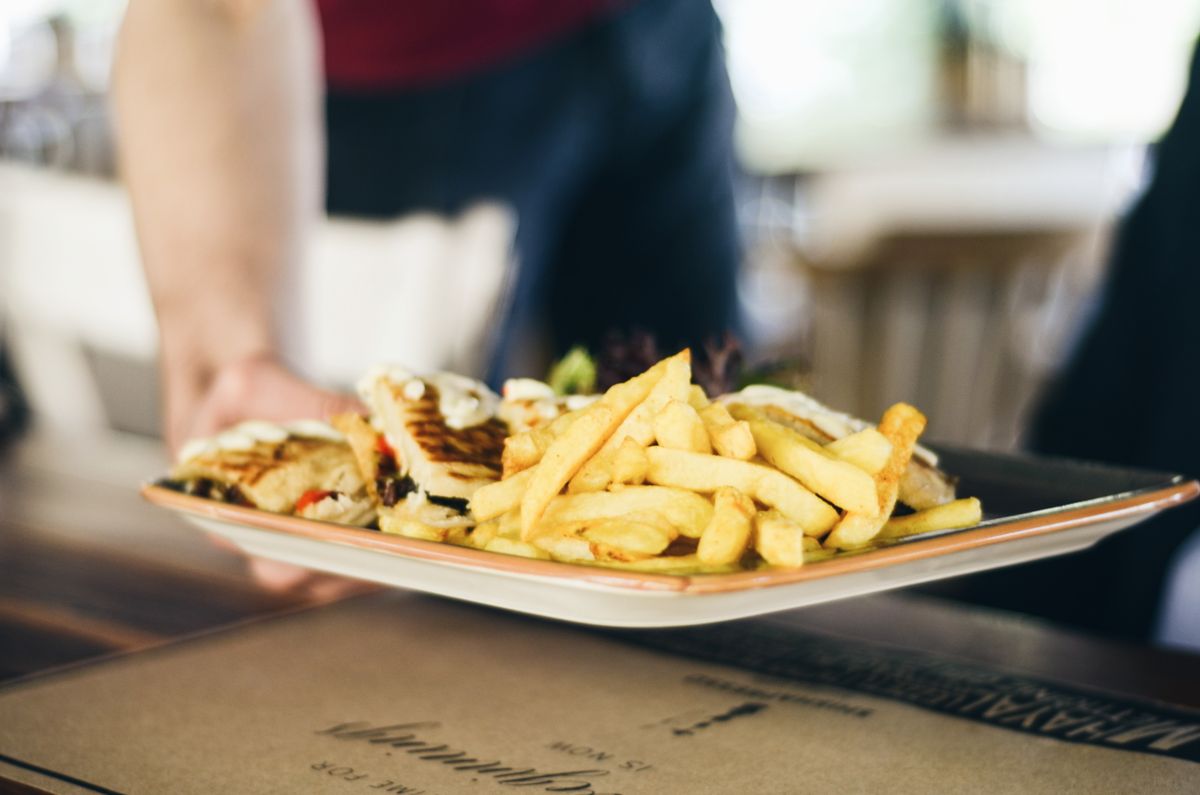
The horseshoe sandwich is one of Springfield’s signature dishes. It is an open faced meal built on toast, topped with meat, covered in cheese sauce, and finished with a pile of fries. Local tradition credits chef Joe Schweska of the Old Leland Hotel with creating the dish in 1928. However, historical research suggests the earliest clear newspaper reference to the name “horseshoe sandwich” appeared later, in 1948. The safest description is that Springfield tradition connects the dish to the late 1920s, while the exact timeline remains debated.
The name comes from its appearance. The meat represents the horseshoe, fries represent nails, and the heated platter serves as the anvil. Today, restaurants across Springfield serve variations using ham, burgers, chicken, or other proteins.
Related Post: 7 American Foods Only Locals Know About
Runza, Nebraska
Nebraska’s Runza is a handheld baked pocket filled with seasoned beef, cabbage, and onion. It resembles older Eastern European stuffed breads, particularly bierock and piroshki traditions brought by immigrant communities. The first Runza restaurant opened in Lincoln, Nebraska, in 1949, turning the regional food into a recognizable fast-food tradition.
While the dish has roots beyond Nebraska, the state gave it a distinct identity. The Runza brand now operates locations across several Great Plains states, but the food remains closely associated with Nebraska culture. A traditional Runza is simple: soft yeast dough wrapped around a savory filling. Modern versions add different flavors, but the original beef, cabbage, and onion combination remains the classic.
Goetta, Greater Cincinnati
Goetta is a breakfast specialty from Cincinnati and Northern Kentucky that blends pork, beef, steel cut oats, onions, and seasonings into a loaf, then slices and fries it until crisp. The dish grew from German American traditions in the Cincinnati area, where immigrants used grains to stretch meat supplies.
Glier’s helped popularize goetta commercially in the 1950s, and the food remains a major part of Cincinnati identity today. The region even hosts Goettafest, a celebration dedicated to the dish and its many variations. Unlike many breakfast meats, goetta’s defining ingredient is oats. That gives it a texture and flavor that separates it from similar regional meat dishes.
Pepperoni Roll, West Virginia
The pepperoni roll is a West Virginia classic with roots in coal country. It is a soft bread roll baked around pepperoni, letting the meat’s fat flavor the dough as it cooks. West Virginia Tourism credits Italian immigrant baker Giuseppe Argiro with commercializing the roll around 1927 in Fairmont. However, nearby communities, including Clarksburg, also developed early versions.
The food became popular because it was practical for miners who needed portable lunches. Unlike a sandwich requiring separate bread and meat, the pepperoni roll was easy to carry and eat. Today, bakeries throughout north central West Virginia continue the tradition, and the food remains one of the state’s strongest culinary symbols.
Livermush, North Carolina Foothills
Livermush is a North Carolina specialty made from pork products, pork liver, cornmeal, and seasonings. It is usually sliced and fried, often served for breakfast on biscuits or sandwiches. The dish is connected to the Foothills region, especially Cleveland County, where local food traditions trace back to German settlers and long-running meat producers.
Livermush is related to foods such as scrapple but has developed its own North Carolina identity. Rather than having one confirmed inventor, it represents generations of regional cooking and preservation traditions. The annual Mush, Music & Mutts festival in Shelby continues to celebrate the food and its cultural importance.
Slugburger, Northeast Mississippi
The slugburger is a Mississippi Hill Country specialty known for its unusual texture and history. It is a small fried patty made from meat mixed with fillers such as flour, potato flakes, soy, or cornmeal, then served on a bun with mustard, pickles, and onions. The dish developed when cooks stretched meat with affordable ingredients. The name and exact origin story remain debated, although many local accounts credit John Weeks, who sold an early version in Corinth after moving there in the early 20th century.
Today, the slugburger remains a Northeast Mississippi tradition, supported by dedicated restaurants, festivals, and tourism promotion.
Saimin, Hawaii
Saimin is a Hawaiian noodle dish that reflects the islands’ diverse cultural history. It features curly noodles in a light, savory broth and is often topped with char siu, green onion, fish cake, or wontons. The dish developed during Hawaii’s plantation era and was shaped by Chinese, Japanese, Korean, Filipino, and Portuguese influences. It has no single inventor because it emerged from multiple communities blending food traditions.
Restaurants such as Palace Saimin, which has served Honolulu since 1946, helped make the dish a lasting part of Hawaii’s food culture. Saimin shows how regional American food can come from many cultures while becoming something uniquely local.