Trump’s Policies Are Creating Unexpected Consequences as Americans Feel the Impact
President Donald Trump’s sweeping policy agenda is producing a mix of victories, challenges, and unintended consequences across the United States. From farmers dealing with shifting trade conditions to businesses facing labor uncertainty and families watching changes to government programs, the effects are reaching communities that once strongly supported his return to the White House.
The administration has defended its approach as a plan to strengthen the economy, protect American workers, reduce government waste, and put pressure on foreign competitors. Supporters argue the policies are necessary corrections after years of what they describe as failed economic and immigration strategies.

But as those changes move from campaign promises into everyday life, the results have become more complicated. Some Americans are seeing benefits, while others are facing higher costs, uncertainty, or difficult adjustments.
Tariffs Create Winners and Losers Across America’s Heartland
One of Trump’s biggest economic moves has been his aggressive use of tariffs. The goal is straightforward: make foreign companies pay more to sell goods in the United States and encourage businesses to produce more domestically.
However, tariffs often create ripple effects. While they can protect some American industries, they can also raise costs for businesses that rely on imported materials. Those higher expenses can eventually be passed on to consumers through prices at stores, restaurants, and across supply chains.
Farmers have found themselves caught in the middle of that debate. Many agricultural producers support Trump’s efforts to challenge foreign trade practices, but they also worry about retaliation from countries that buy American products.
During a discussion about trade pressures, Trump acknowledged that farmers could face difficulties during the transition, saying they needed to “bear with me again” while adding, “I love the farmer.”
For agricultural communities, the question is whether long-term gains will outweigh short-term pressure. Some producers believe stronger trade negotiations could open new opportunities. Others worry that lost export markets and higher operating costs could create financial strain.
The administration has pointed to new trade agreements as evidence that its strategy is working, arguing that tariff pressure has helped secure better deals for American industries. Critics, however, say the economic adjustment period has been painful for businesses and consumers who must absorb the immediate costs.
The result is a complicated picture: some companies see protection and leverage, while others see uncertainty.
Immigration Enforcement Creates Tension for Businesses

Trump’s immigration policies have also created unexpected challenges, especially for industries that rely heavily on immigrant labor.
The administration has made stronger border enforcement and workplace immigration checks a major priority. Supporters say stricter enforcement is necessary to protect American jobs and restore control over the immigration system.
But many industries, including agriculture, hospitality, food processing, and construction, depend on immigrant workers to fill positions that are difficult to staff.
Some business owners who support tougher immigration rules have also warned that sudden workforce disruptions could hurt their operations. When workers disappear from farms, hotels, restaurants, and processing plants, businesses can struggle to maintain normal operations.
The debate became especially visible when workplace enforcement actions created concern among employers. Some business groups pushed for clearer guidance, arguing that companies need predictable rules to plan effectively.
Administration officials have maintained that enforcement efforts are focused on protecting communities and targeting individuals who violate immigration laws. Homeland Security officials have rejected the idea that any industry should be exempt from enforcement.
The situation highlights a difficult balance: many Americans want stronger immigration controls, but many industries also depend on workers affected by those policies.
For communities where immigrant labor plays a major role, immigration enforcement is not just a political debate. It is an economic issue that affects farms, businesses, and local economies.
Health Care and Assistance Changes Put Pressure on Families
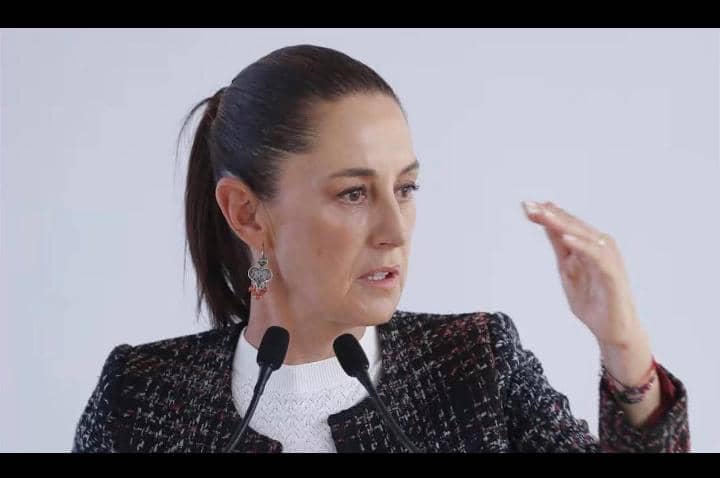
Another major area of debate is the future of government assistance programs, including Medicaid and food benefits.
Trump’s major spending law included significant changes to Medicaid and food assistance programs. The administration says the changes are designed to reduce fraud, improve accountability, and ensure programs serve eligible recipients.
Officials argue that reforms will make government programs more efficient while protecting taxpayers.
Opponents argue the changes could leave millions of vulnerable Americans without essential support, especially low-income families, seniors, and people living in rural areas where health care options are already limited.
The impact is becoming visible in some states where food assistance enrollment has dropped significantly. Expanded work requirements and eligibility changes have forced some recipients to navigate new rules to maintain benefits.
Health care providers in rural areas have also raised concerns. Many rural hospitals depend heavily on Medicaid funding, and leaders worry that reductions could create additional financial pressure on facilities already operating with limited resources.
The administration has responded by creating new funding programs to support rural health care and encourage states to improve efficiency.
But for many families, the debate is less about policy language and more about daily reality: Can they afford groceries? Can they see a doctor? Can their local hospital stay open?
Those questions are shaping how Americans view the broader impact of Trump’s agenda.
A Policy Revolution With Mixed Results
Trump’s supporters continue to argue that his policies are delivering on promises to reshape trade, immigration, and government spending. They see the changes as necessary steps to strengthen America’s economy and restore accountability.
Critics argue that the costs are falling hardest on working families, businesses, and communities that cannot easily absorb sudden changes.
The political challenge for the administration is that policy outcomes are rarely simple. A decision that benefits one group can create problems for another.
Tariffs may help some manufacturers but hurt companies that depend on imports. Immigration enforcement may satisfy voters demanding stronger borders but create labor shortages in key industries. Spending cuts may reduce government costs but create concerns among people who rely on assistance programs.
As these policies continue to unfold, Americans are experiencing the consequences in very personal ways, through their grocery bills, workplaces, health care options, and household budgets.
The debate over Trump’s agenda is no longer only happening in Washington. It is playing out every day across farms, businesses, hospitals, and homes throughout the country.