Ms. Rachel Defends Hijab-Wearing Kindergarteners After Trump Shares Graduation Video
A kindergarten graduation is usually about tiny caps, proud parents, and children trying to remember the words to a song. But one ceremony in St. Paul, Minnesota, unexpectedly landed at the center of a national political argument after President Donald Trump shared a video showing several young girls wearing hijabs.
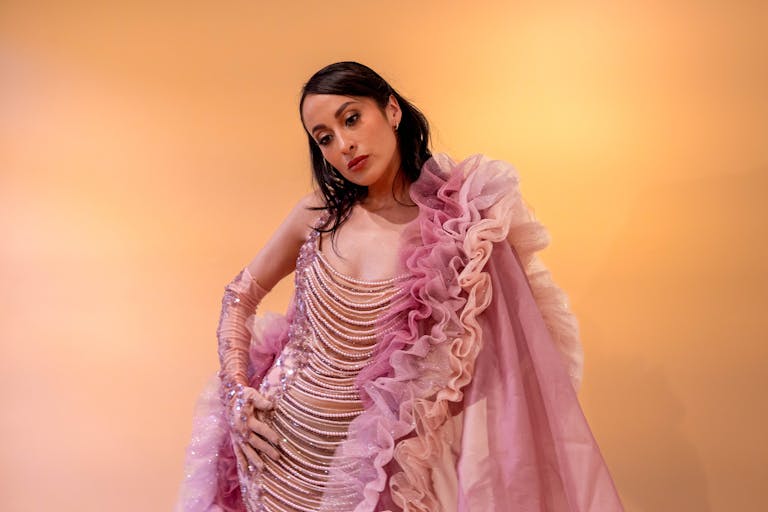
Children’s educator Rachel Griffin Accurso, better known to millions of families as Ms. Rachel, has now joined the debate. In an Instagram message directed toward the students, she praised the children’s religious clothing and reminded them that they still belong, regardless of what strangers may say online.
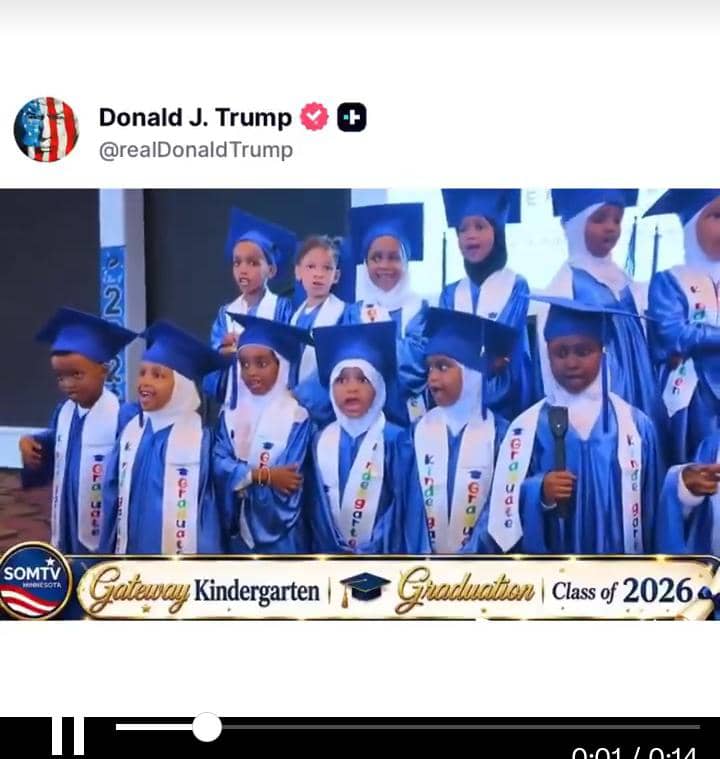
The controversy began July 6, when Trump shared a short clip from Gateway STEM Academy, a public charter school serving many Somali families. He initially posted the video without commentary and later amplified a post from the account End Wokeness that read, “Public school in St. Paul, Minnesota. Every girl is in a hijab … in kindergarten.”
The footage showed the children singing together in blue graduation gowns and caps. Many of the girls wore white hijabs underneath their caps. What began as a cheerful school milestone quickly became a heated conversation about religion, immigration, childhood privacy, and the responsibilities of powerful public figures.
Ms. Rachel Sends the Children a Direct Message
Accurso responded on Instagram the following day without mentioning Trump by name. Rather than jumping into a political shouting match, she spoke directly to the kindergarteners in the reassuring style that has helped make her one of the internet’s biggest children’s entertainers.
“I think hijabs are beautiful,” she wrote.
She explained that children may wear hijabs, kippahs, crosses, or other items connected to their cultures and religions. Other children may not follow a religion at all. Her central message was simple: “No matter what we wear, we all belong.”
Accurso also encouraged the children to speak with a trusted adult if anyone made hurtful comments about their clothing. She ended the message by telling them that “love is stronger than hate” and that many people supported them.
The post was consistent with the inclusive image Accurso has built through her educational videos. She also noted that she had attended a Hanukkah celebration and an Eid brunch during the previous year, while celebrating Easter and Christmas with her own family.
Accurso has more than 20 million YouTube subscribers and millions of followers on TikTok and Instagram, giving her an audience far larger than that of many television networks. That reach also means her involvement can quickly pull an issue from political social media into family conversations across the country.
The Council on American-Islamic Relations and its Minnesota chapter praised her response, saying voices of solidarity matter when children are singled out because of their faith. The organizations said her message reminded Muslim children that “they are valued” and “they belong.”
Minnesota Leaders Raise Safety Concerns
The strongest local reaction was not about political disagreement. It was about the safety and emotional well-being of the students whose faces and school had suddenly been placed before a massive national audience.
Minnesota Gov. Tim Walz accused Trump of focusing on the children because of their clothing.
“The President of the United States is attacking a group of kindergarteners because of the clothes they wore to school,” Walz wrote.
Gateway STEM Academy Executive Director Mohamed Ahmed declined interview requests but said the school was concentrating on the “care and well-being” of students, families and staff. He added that the academy remained committed to providing a safe learning environment where children could build confidence and reach their potential.
The Minnesota Association of Charter Schools was more pointed. It said publicly sharing the children’s images and identifying their school increased potential risks at a time when educational institutions already face harassment and threats.
“Children and schools should be off limits from political attacks,” the organization said. “Our elected leaders should know better and do better.”
Muslim, Christian, Jewish, and Unitarian Universalist leaders also gathered in Minneapolis to defend the children. Malika Dahir, executive director of Reviving Sisterhood, told reporters that children should never be used as political props.
“Children should be our red line,” Dahir said. “They’re not symbols to be exploited. They’re children.”
CAIR separately condemned Trump’s decision to amplify the post, arguing that placing Muslim children under a national spotlight could make them and their schools targets for threats or harassment. The organization called on Americans of every political background to reject religious hatred.
The Dispute Is Bigger Than One Graduation Video
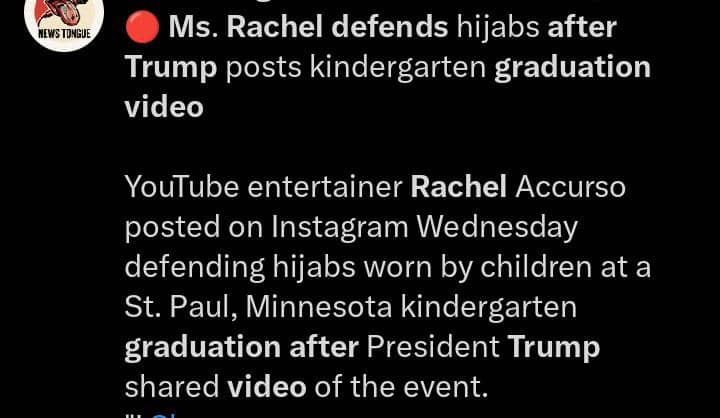
Trump did not include his own written criticism of the students. However, his decision to share the clip and later repost commentary focused specifically on the girls’ hijabs allowed supporters and critics to interpret the video through a political lens.
The White House did not immediately provide an additional explanation for the posts. Accurso also did not provide further comment beyond her Instagram message when contacted for the original report.
The dispute illustrates how quickly ordinary children can be pulled into major political arguments. The students were not giving speeches about immigration policy or religious freedom. They were celebrating the end of kindergarten.
That distinction shaped nearly every response from the school, educators, and community leaders. Their concern was that children who had done nothing more controversial than wear graduation gowns over religious clothing had become the subjects of comments from strangers across the country.
Accurso’s message did not settle the wider debate over politics, religion or the hijab. It did, however, bring the focus back to the people seen in the video: young students marking an important milestone with their classmates and families.
For those children, the graduation was supposed to be a happy ending to the school year. Ms. Rachel’s intervention was a reminder that they should not have to defend their faith, clothing or right to belong simply because a video of their celebration went viral.