“The Pope Always Speaks as a Shepherd”: Vatican Responds After Trump Says Leo Is “Endangering a Lot of Catholics”
VATICAN CITY — The Vatican on Monday, July 13, rejected an effort by the U.S. ambassador to portray Pope Leo XIII’s criticism of the Iran war as political rather than pastoral. The response appeared in an editorial published July 13 by Andrea Tornielli, editorial director of the Holy See’s Dicastery for Communication.
The editorial did not name Ambassador Brian Burch. Its argument, however, directly challenged his public distinction between the pope’s spiritual leadership and his diplomatic position as a sovereign.
Tornielli wrote that the pope remains the Catholic Church’s universal shepherd when discussing war, migration, poverty, religious freedom, and artificial intelligence. He said Vatican City’s statehood protects papal independence but does not give the pope a separate political mission.
Editorial Defends Papal Authority
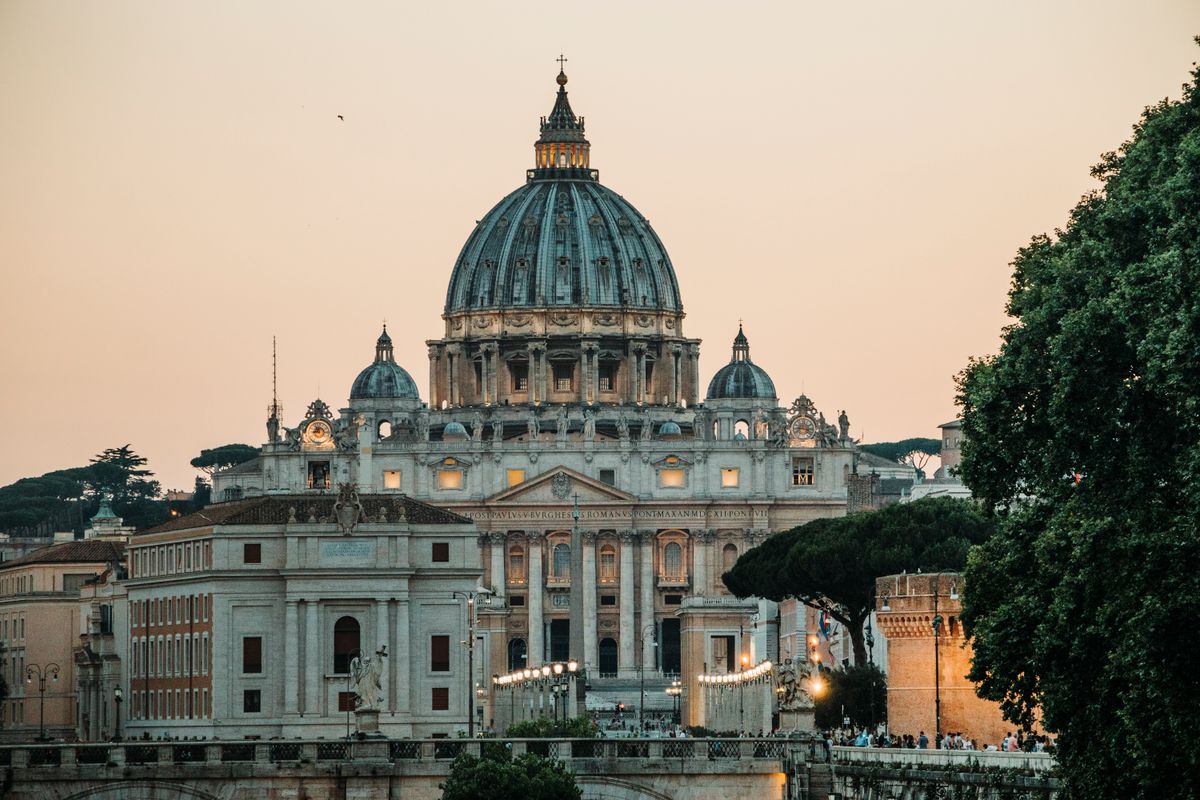
The editorial said that Pope Leo does not speak like an ordinary government leader when addressing international affairs. His statements remain part of his religious office, even when they conflict with national policies.
Tornielli called it misleading to emphasize the pope’s position as a head of state at the expense of his pastoral responsibility. He concluded that Leo is “simply proclaiming the Gospel” when he calls for peace, dialogue, and human dignity.
Tornielli also linked that argument to Leo’s calls for an end to the arms race and protections for migrants. The pope’s message, he wrote, remains pastoral across each of those subjects.
The position draws a clear line between political consequences and political intent. Papal statements can influence public debate or challenge a president without becoming campaign messages or conventional foreign policy declarations.
The Vatican’s response carries institutional weight because Tornielli oversees editorial direction for the Holy See’s communications department. It was not issued as a papal decree or diplomatic protest, but it explained how Rome understands Leo’s authority.
Burch Disputes Iran Judgment
Burch recently argued that the pope serves as both leader of the Catholic Church and sovereign of the Holy See. He said Leo stands alongside other world leaders when acting in that diplomatic capacity.
The ambassador also disputed accounts of a major break between President Donald Trump and Pope Leo. Burch described two papal roles and questioned whether Leo possessed enough information to make a definitive moral judgment on the war.
Pope Leo had already offered a direct assessment. During a June 6 flight to Spain, he said just-war criteria were absent in Iran.
Leo also said traditional just-war doctrine developed before modern weapons reached their current destructive capacity. His comments placed the Iran conflict inside a wider debate over whether centuries-old standards can govern contemporary warfare.
That position became more explicit in May. Leo’s first major teaching document rejected traditional just-war theory as outdated and favored dialogue, diplomacy, and forgiveness as tools for resolving disputes.
Burch’s argument centered on access to intelligence and military information. The Vatican editorial responded at the institutional level, asserting that classified information does not turn papal moral teaching into an ordinary political opinion.
Holy See Rejects Dual Mission
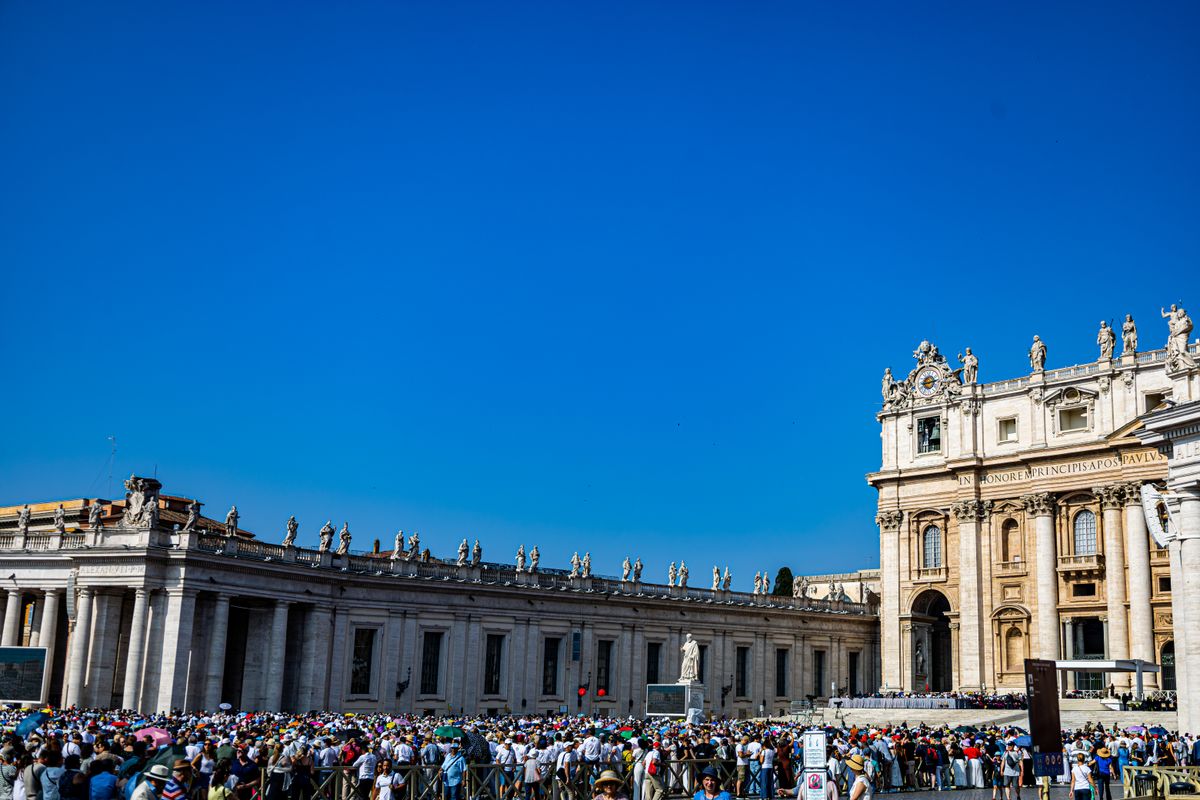
The dispute also involves the difference between the Holy See and the Vatican City State. Vatican City is the territory established under the Lateran Pacts of 1929, while the Holy See governs the global Catholic Church.
Foreign ambassadors are accredited to the Holy See. The territorial state exists to preserve the pope’s independence from other governments, not to define the full reach of his authority.
Tornielli cited the 1965 United Nations address delivered by Pope Paul VI. Paul described papal sovereignty as small and symbolic, providing the freedom needed to carry out a spiritual mission.
The editorial also recalled that the papacy’s global moral influence grew after it lost the Papal States in 1870. That history supports Rome’s view that territorial power serves the pope’s religious work rather than creating a second office.
The distinction matters during policy disputes. Treating Leo’s comments as the position of another small-government figure would separate them from his responsibilities as the leader of the Catholic Church.
Diplomatic Contact Continues
Relations between Washington and the Vatican have been strained by disagreements over Iran and immigration. They have not produced a formal diplomatic break.
Secretary of State Marco Rubio met Leo and senior Vatican officials on May 7. Those meetings reaffirmed bilateral ties while both sides emphasized peace, religious freedom, and human dignity.
Leo also maintained personal contact with Burch. The pope visited Burch’s Rome residence on July 4 after traveling to Lampedusa to honor migrants who died crossing the Mediterranean.
The visit showed that the two men remained willing to meet despite their public disagreement. It did not resolve their competing descriptions of the pope’s role or his authority to judge military action.
The July 13 editorial announced no recall of diplomats, no formal protest, and no suspension of talks. Its immediate effect was to place the Vatican’s institutional position on the public record.
Leo is spending most of July at the papal retreat in Castel Gandolfo, south of Rome. He is expected to remain there until July 27, with audiences suspended through July 27 as Vatican operations continue during his stay.