Tropical Storm Bertha Forms Near Florida Coast as Forecasters Track Possible Impacts
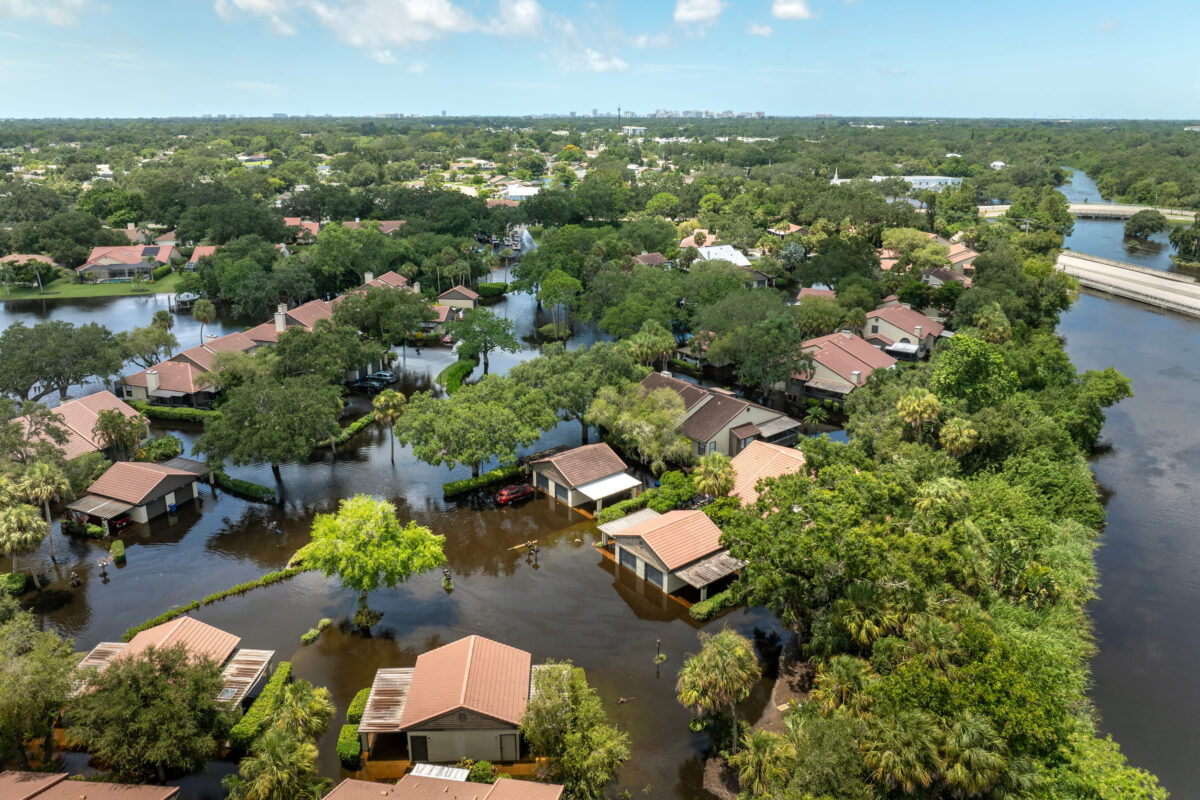
A developing tropical storm near Florida is putting coastal communities on alert as forecasters closely monitor its path, strength, and potential impacts.
Tropical Storm Bertha has formed near the Florida coast, becoming the latest system to draw attention during hurricane season. Weather officials are tracking the storm’s movement while urging residents in potentially affected areas to stay updated as forecasts continue to change.
The storm developed after meteorologists observed increasing organization in a tropical disturbance near the region. As the system strengthened, officials began issuing alerts and increasing monitoring efforts along parts of the coastline.
While Bertha’s formation has captured attention, forecasters continue emphasizing that early storm forecasts can change. Tropical systems often evolve quickly as they interact with ocean temperatures, atmospheric conditions, and surrounding weather patterns.
For residents along the Florida coast, the message from weather officials remains focused on awareness and preparation rather than panic.
Forecasters monitor Bertha’s development near Florida
According to reports from ABC News and weather officials, Tropical Storm Bertha formed after a tropical system showed signs of becoming better organized near Florida.
The National Hurricane Center monitors developing tropical systems by analyzing several factors, including wind speed, air pressure, rainfall patterns, satellite imagery, and projected movement.
These measurements help forecasters determine whether a system is strengthening, weakening, or changing direction. Even after a storm receives an official name, meteorologists continue collecting new information because conditions can shift from one forecast update to the next.
At this stage, officials are focused on understanding Bertha’s exact track and intensity rather than making predictions about impacts that have not been confirmed.
Weather experts frequently remind the public that the forecast cone represents possible paths, not a guaranteed destination. Areas outside the center line can still experience rainfall, strong winds, rough surf, or other storm-related conditions.
Florida communities prepare as storm alerts are issued
Storm alerts are designed to give residents time to prepare before conditions become dangerous.
Across Florida, communities are familiar with the importance of early preparation during hurricane season. Coastal residents often review emergency plans, check supplies, and monitor updates from local authorities when tropical systems begin developing nearby.
Emergency officials commonly recommend preparing essential items before a storm threat becomes immediate. These supplies may include drinking water, prescription medications, important documents, flashlights, batteries, and backup communication options.
The reason for early preparation is simple: tropical weather can change quickly. A storm that appears manageable in one forecast update may require additional precautions later as new data becomes available.
Local emergency agencies continue encouraging residents to use official sources for information instead of relying on rumors or unverified posts online.
Tropical storms can bring risks beyond strong winds
Many people associate tropical storms mainly with wind, but weather experts point out that rainfall and flooding often create some of the biggest challenges.
A tropical system can produce heavy rainfall, dangerous surf, coastal flooding, and hazardous driving conditions even if it does not make direct landfall.
Florida’s geography makes the state especially vulnerable to tropical weather. With hundreds of miles of coastline and millions of residents living near low-lying areas, even weaker storms can create localized problems.
Heavy rainfall can overwhelm drainage systems, flood roads, and create dangerous conditions in areas that are far from the storm’s center.
Beach conditions can also become dangerous as tropical systems move nearby. Strong waves and rip currents can develop even when skies appear calm in some locations.
Florida enters another busy hurricane season
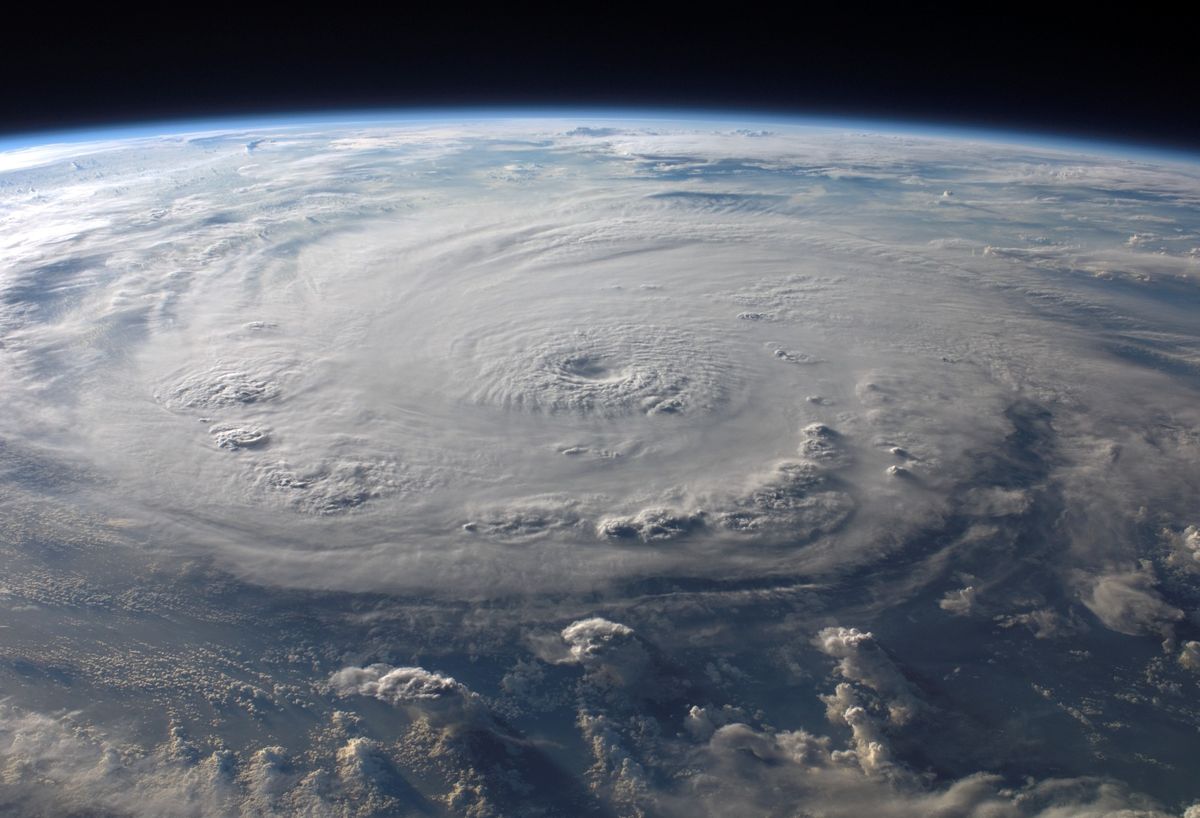
Florida’s relationship with tropical weather is deeply connected to its geography.
Every hurricane season brings renewed attention to preparation as residents, businesses, and emergency agencies review plans for possible storms.
Meteorologists have made major improvements in forecasting technology over the years. Satellites, aircraft observations, computer models, and advanced tracking systems allow forecasters to provide communities with more information than ever before.
However, tropical systems remain difficult to predict because they are influenced by constantly changing environmental conditions.
A storm’s future depends on many factors, including ocean heat, wind patterns, pressure systems, and interactions with land.
Even small changes in these conditions can affect a storm’s speed, direction, and strength.
What residents should know about Tropical Storm Bertha
At the time of reporting, officials continued monitoring Tropical Storm Bertha’s movement and development.
The storm’s exact impact remained dependent on future forecasts and additional weather data.
Residents in potentially affected areas are encouraged to continue checking updates from the National Hurricane Center, local National Weather Service offices, and emergency management agencies.
Forecasters often update storm information several times a day because new observations can provide a clearer picture of what a system may do next.
Weather experts also remind residents that preparation should not wait until a storm is close to land. Having a plan in place before conditions worsen can help communities respond more effectively.
Why tropical storms remain challenging to forecast
Despite major advances in weather technology, tropical forecasting remains a complex science.
Storm systems interact with their surroundings in ways that can be difficult to predict days in advance. A change in wind direction, ocean temperature, or atmospheric pressure can influence a storm’s future path.
This is why meteorologists regularly adjust forecasts as new information becomes available.
Early forecasts provide guidance, but later updates often provide a more accurate understanding of where the greatest risks may develop.
For residents, staying informed remains one of the most important steps during hurricane season.
A reminder for Florida residents during storm season
The arrival of Tropical Storm Bertha serves as another reminder that hurricane preparation is an ongoing process for Florida communities.
Families across the state often use the beginning of storm threats as a chance to review evacuation routes, update emergency supplies, and make sure they can receive weather alerts.
While Bertha’s development has placed parts of the region under closer observation, officials continue urging residents to remain calm and informed.
The storm’s final impact will depend on how it develops in the coming days. For now, forecasters are watching closely, coastal communities are preparing, and residents are keeping an eye on the latest updates.