Trump’s Saudi Nuclear Agreement Opens Door to Uranium Enrichment and a High-Stakes Fight in Congress
The most important part of President Donald Trump’s reported nuclear agreement with Saudi Arabia may not be the reactors it could help build. It may be the precedent Washington creates by allowing a close partner to move toward the same uranium enrichment capability the United States has spent years trying to restrict elsewhere.
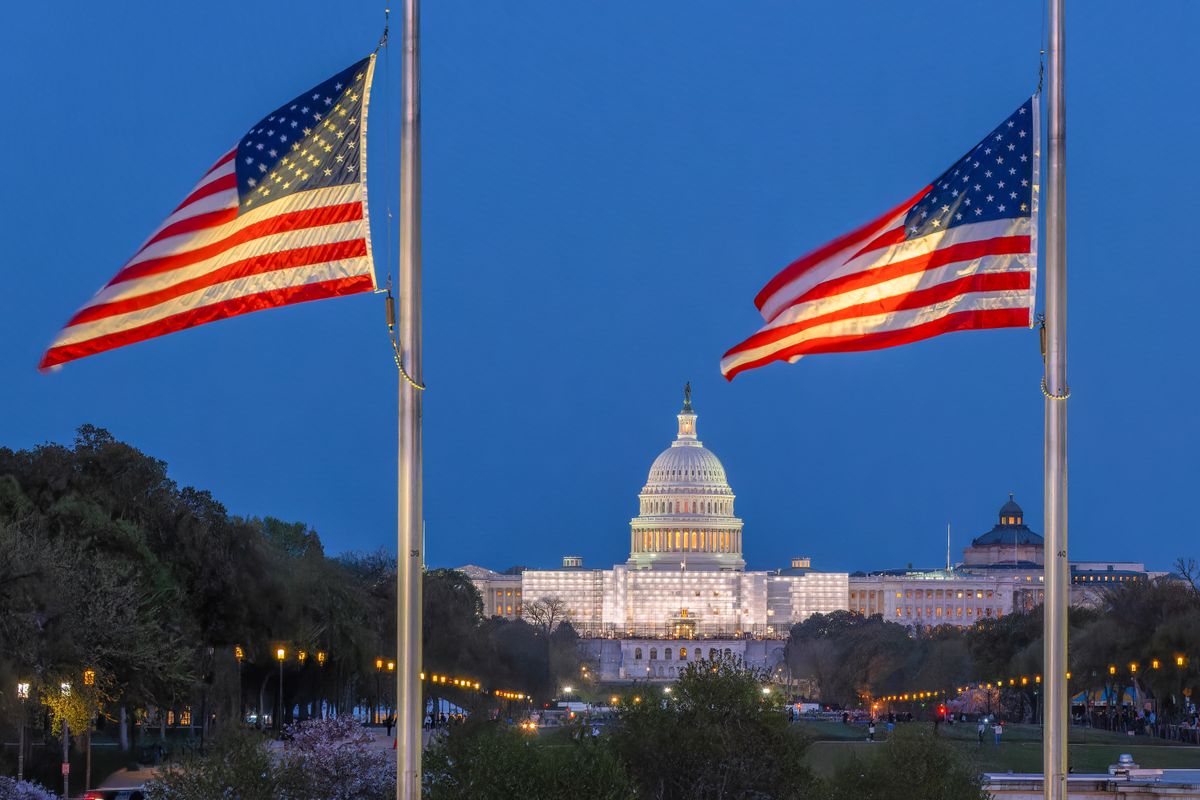
The proposed 30-year agreement could place American companies at the center of Saudi Arabia’s civilian nuclear expansion and permit an enrichment facility after a joint United States and Saudi study. The agreement is expected to reach Congress for review, where lawmakers will decide whether its commercial benefits justify loosening one of Washington’s strongest nuclear guardrails.
That makes this more than an energy deal. It is a test of whether the United States can call enrichment dangerous in an adversary’s hands, manageable in an ally’s and still prevent other nations from demanding the same privilege.
Congress is about to inherit the hardest question

Saudi Arabia wants nuclear power as part of Crown Prince Mohammed bin Salman’s economic transformation plan. Nuclear plants could support desalination, air conditioning and industrial growth while allowing the kingdom to burn less oil for domestic electricity.
Those goals are not unusual. Riyadh’s insistence on developing sensitive fuel cycle capabilities at home is.
Many countries operate reactors without enriching their own uranium. The United Arab Emirates accepted that model when it signed a United States nuclear cooperation agreement and renounced domestic enrichment and spent fuel reprocessing. That commitment became known as the “gold standard” because it separated civilian power generation from technologies that can shorten the path toward weapons material.
The Saudi agreement reportedly takes a different route. It could create a legal pathway for enrichment without immediately requiring Washington to transfer the technology. Congress must decide how meaningful that distinction remains once facilities, contracts and trained specialists are in place.
The deal’s biggest risk is the rule it may rewrite

Uranium enrichment is not a nuclear weapon. Civilian reactors commonly use low-enriched fuel, and building a bomb requires additional materials, engineering, and weapons expertise.
Still, enrichment matters because the same centrifuge system used to produce reactor fuel can continue concentrating uranium to much higher levels. Once a country has the equipment and knowledge, the debate shifts from whether it has the capability to how quickly that capability could be redirected.
The timing makes the agreement especially difficult to defend. Washington has treated Iran’s enrichment program as a major security threat, while Tehran describes it as peaceful. Saudi Arabia also says its ambitions are civilian, but Crown Prince Mohammed bin Salman has previously warned that the kingdom would seek a nuclear weapon if Iran obtained one.
We are watching two arguments collide. The administration says trust, American involvement and negotiated controls can make Saudi enrichment safe. Critics will answer that nuclear rules cannot depend on which government Washington trusts at a particular moment.
Alliances and leaders change. A 30-year agreement must remain credible through wars, diplomatic ruptures, and regional power shifts no administration can predict.
Missing inspections could define the congressional fight
Secretary of State Marco Rubio said the United States would not sign an agreement that creates a proliferation risk. Yet the pact is not expected to require Saudi Arabia to adopt the International Atomic Energy Agency’s Additional Protocol, according to The Associated Press.
That omission will be difficult for lawmakers to ignore. The Additional Protocol gives inspectors broader access to nuclear information and locations, strengthening their ability to verify that nuclear material remains in peaceful use.
Without that layer, Congress will want to know what replaces it. Will inspectors receive rapid access to suspicious sites? Will enrichment levels be continuously monitored? Who will operate the centrifuges? Can Saudi personnel see the machinery inside a proposed “black box” facility? What happens if Riyadh limits inspections?
The answers cannot rest on diplomatic assurances. Strong nuclear agreements are designed around the possibility that trust may fail.
American influence comes with a costly tradeoff
The administration has a strategic case. If Washington refuses to cooperate, Saudi Arabia could turn to China, Russia, South Korea or France. An American-led project could give United States officials greater visibility and create valuable contracts for American nuclear companies.
A Section 123 agreement would establish the legal framework needed for significant American transfers of nuclear materials, equipment and expertise. It would not immediately build a reactor or enrichment plant, but it would clear an important legal barrier for future cooperation.
But influence purchased by weakening standards can become expensive. Other countries seeking nuclear technology may ask why they should surrender enrichment rights when Saudi Arabia did not. Regional rivals may conclude that they also need fuel cycle capabilities as insurance.
That possibility could transform a commercial partnership into the starting signal for a regional contest. Turkey, Egypt and other governments may eventually demand comparable treatment, arguing that Washington has created different nuclear rules for favored allies.
Congress must now decide whether this agreement contains real barriers or optimistic promises. Lawmakers should focus less on the ceremony surrounding the deal and more on its enforcement clauses, inspection rights, enrichment limits and shutdown mechanisms.
The final question is not whether Saudi Arabia deserves nuclear power. It is whether Washington can open the door to enrichment for one ally without encouraging an entire region to walk through it.