Lithium-Ion Battery Fires Are Rising Across the U.S.: Here’s the Hidden Risk Inside Everyday Technology.
Every morning, millions of Americans reach for devices powered by a technology most people rarely think about. Smartphones, laptops, electric scooters, cordless tools, electric vehicles, wireless headphones, and portable chargers all rely on lithium-ion batteries.
These compact power sources have transformed how people live, work, and travel. They charge quickly, store impressive amounts of energy, and make devices smaller and more powerful than ever before. But behind that convenience is a growing safety challenge: lithium-ion battery fires.
When these batteries fail, they do not simply create an ordinary electrical fire. They can enter a dangerous chain reaction called thermal runaway, releasing extreme heat, flammable gases, and toxic smoke. A single damaged battery cell can trigger a violent reaction that spreads rapidly and becomes difficult to control.
As battery-powered technology becomes a permanent part of everyday life, understanding the hidden risks inside these devices is no longer optional. It is becoming a critical part of modern fire safety.
The Technology Powering America’s Future Has a Dangerous Side

Lithium-ion batteries have become the foundation of the modern technology era. Their lightweight design and high energy capacity made them the preferred choice for everything from consumer electronics to electric transportation, and that widespread adoption has also increased the importance of safety.
Unlike older battery types, lithium-ion batteries can store large amounts of energy in a small package. This efficiency helped create the smartphone revolution, expanded the use of electric vehicles, and allowed tools and appliances to become cordless.
However, the same feature that makes these batteries powerful also creates their greatest risk, because storing more energy in less space raises the stakes when something fails.
A lithium-ion battery is essentially a tightly packed energy storage system. When operating correctly, the chemical reactions inside happen safely and predictably. But if the battery is damaged, overheated, overcharged, or poorly manufactured, those reactions can become unstable and start a chain of failure.
The result can be a rapid buildup of heat that causes the battery to break down from the inside, setting the stage for fire. This is where the danger begins.
Thermal Runaway: The Fire Problem Hidden Inside the Battery
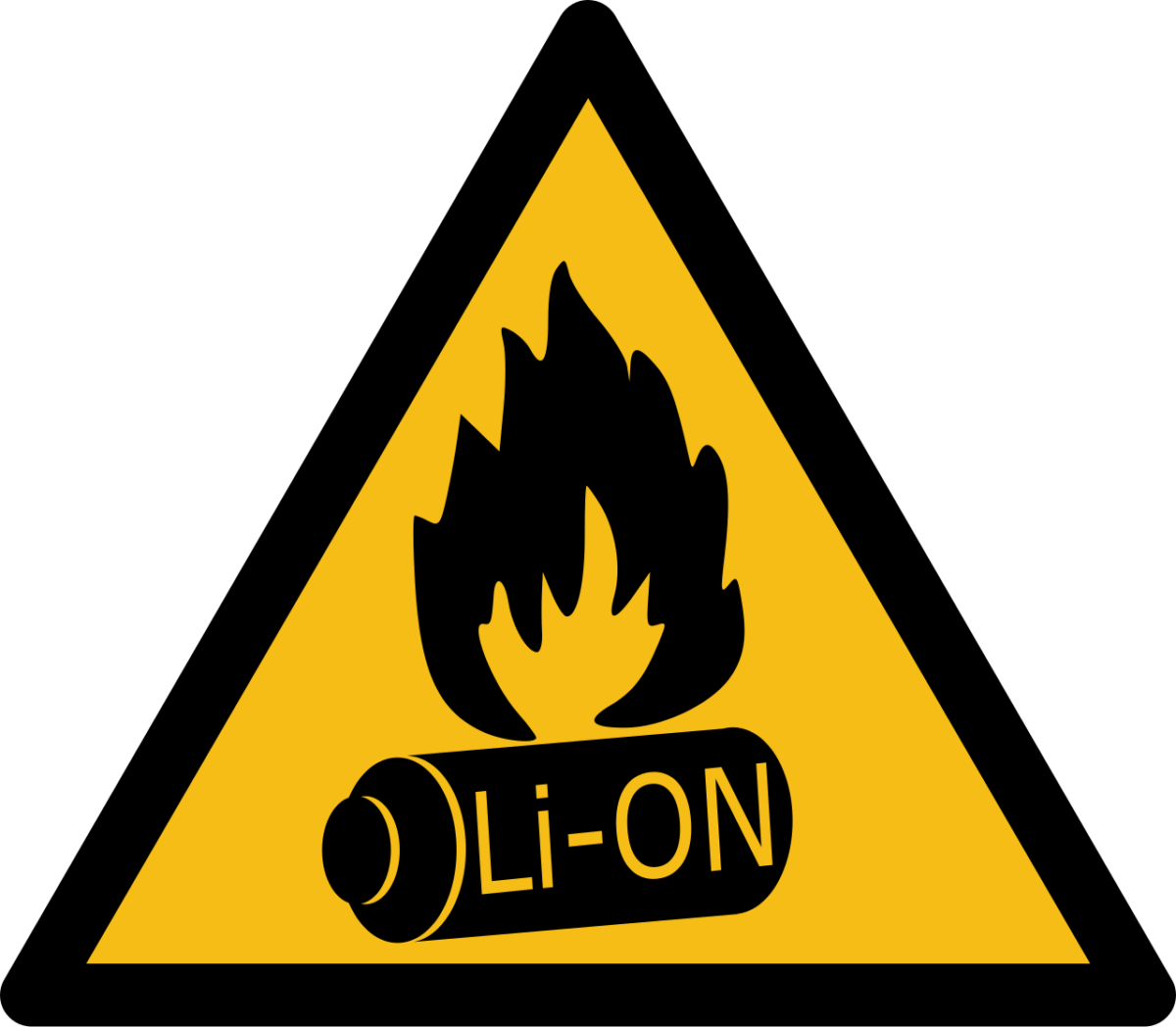
The biggest threat associated with lithium-ion batteries is a process known as thermal runaway.
Thermal runaway occurs when a battery cell generates heat faster than it can release it. As the temperature rises, internal components begin breaking down, producing more heat and releasing flammable gases, which can push the failure further.
That reaction can quickly become self-sustaining, which is what makes the situation so dangerous.
One damaged cell can affect neighboring cells, causing an entire battery pack to fail. This is why a small device, such as an e-bike battery or laptop, can suddenly become a serious fire hazard once the reaction spreads.
Unlike traditional fires that mainly burn surrounding materials, lithium-ion battery fires are fueled by energy stored inside the battery itself. The battery can continue producing heat even after flames appear to be controlled.
This creates a unique challenge for emergency responders because stopping the visible fire does not always mean eliminating the danger, and that issue shapes the response that follows.
Why Firefighters Are Facing A New Type Of Emergency

As lithium-ion battery incidents become more common, fire departments across the country have had to adapt.
Traditional firefighting methods do not always work the same way with battery fires. The main goal is often to cool the battery to reduce internal temperature and slow the chemical reaction.
In many cases, large amounts of water are needed to control the heat. Even after extinguishment, firefighters must remain cautious because damaged batteries can reignite hours or even days later.
Electric vehicle fires present an additional challenge because their battery packs contain thousands of individual cells. When one cell fails, the reaction can spread across the entire system, creating intense heat and prolonged fire conditions.
For firefighters, these incidents require specialized training, new equipment, and updated safety procedures.
The growth of battery technology has created a new category of emergency, and many communities were not prepared for it just a few years ago.
The E-Bike And Scooter Fire Problem Is Growing
One of the most visible examples of lithium-ion battery risks has come from electric bikes and scooters.
These devices have become increasingly popular because they offer affordable transportation options, especially in crowded urban areas. However, some fires have been linked to damaged batteries, unsafe charging practices, counterfeit replacement parts, and poor-quality chargers, underscoring the risks of everyday use.
The danger often increases when these devices are charged indoors, especially in apartments or shared buildings.
A battery failure inside a hallway, bedroom, or living space can quickly create a dangerous situation because occupants may have limited time to escape.
Safety officials have repeatedly warned consumers to avoid using damaged batteries, purchase equipment from reliable manufacturers, and never ignore warning signs such as swelling, overheating, strange odors, or unusual sounds, since these signals can point to failure.
A battery that looks slightly damaged can become a serious hazard.
Everyday Devices Can Become Unexpected Fire Risks
When most people imagine battery fires, they often think about electric cars or large industrial equipment. But the reality is that lithium-ion batteries exist in countless everyday objects, which means the risk can appear in ordinary routines.
A smartphone charging beside a bed.
A laptop plugged in overnight.
A power bank sitting inside a backpack.
A cordless drill stored in a garage.
A wireless device charging on a kitchen counter.
Each of these products contains energy-packed batteries that require proper care.
Most devices operate safely, and millions of people use them every day without problems. The risk comes from misuse, damage, defective products, or improper charging habits, which is why routine care matters.
Small devices should not be underestimated simply because they are common.
A tiny battery can still release enough energy to create dangerous heat and smoke in an enclosed space.
Toxic Smoke Creates Another Hidden Danger
The flames from lithium-ion battery fires are only one part of the problem, because the smoke can create another danger entirely.
When these batteries fail, they can release hazardous gases that create additional risks for people nearby. The smoke can contain chemicals that are dangerous when inhaled, making protective equipment essential for firefighters and quick distance important for others.
For homeowners, this means a battery fire should never be treated like a minor household incident.
A burning phone, laptop, or charger may appear manageable, but smoke exposure can become dangerous quickly.
The safest response is to move away, avoid breathing the smoke, and call emergency services when necessary.
Simple Habits Can Reduce The Risk
Although lithium-ion battery fires are a serious concern, many incidents can be prevented through responsible use because the most common risks are avoidable.
Experts recommend several basic safety practices:
- Use chargers and accessories approved by the manufacturer.
- Avoid cheap, counterfeit replacement batteries.
- Do not use batteries that are swollen, cracked, or damaged.
- Keep charging devices away from beds, couches, and flammable materials.
- Avoid leaving high-powered devices charging unattended for long periods.
- Store batteries in cool, dry locations.
These steps may seem simple, but they can dramatically reduce the chance of a dangerous failure.
Technology is only as safe as the way people use it.
America’s Battery Future Requires A New Safety Mindset
The rise of lithium-ion batteries is not slowing down, and they will continue powering electric vehicles, renewable energy systems, smart devices, and future technologies.
That means the answer is not to abandon battery technology. These batteries have brought enormous benefits and will remain essential to innovation.
The real challenge is creating a culture of awareness around their risks, so people recognize why safe use matters every day.
As more homes, businesses, and transportation systems rely on lithium-ion power, safety standards, consumer education, and emergency preparedness must evolve alongside the technology.
The hidden risk inside everyday technology is not that batteries exist. It is that people often forget how much energy they contain, and that forgetfulness is where danger begins.
The Future of Lithium-ion Batteries.
Lithium-ion batteries have changed the world, but their power demands respect, and that is why the risks matter.
The same technology that allows people to carry powerful computers in their pockets and drive cleaner vehicles can also create dangerous situations when something goes wrong, which is why understanding the risk matters.
Across the United States, rising battery fire incidents serve as a reminder that convenience and safety must move together, not apart.
Batteries will almost certainly power the future. The key is making sure that future remains safe by understanding the risks, recognizing warning signs, and treating these small devices as the powerful energy sources they truly are.