7 Foods You Should Throw Away as Soon as They Expire
Food dates can make grocery shopping more confusing than it needs to be. One package says “Best if Used By,” another carries a “Use-By” date, and fresh meat often comes with storage instructions that have little to do with the date printed on its label. It is easy to assume they all mean the same thing, but they do not.
According to the USDA’s food product dating guidance, most food date labels indicate quality rather than an automatic expiration deadline. However, certain products have specific use-by instructions, while others have recommended refrigerated storage periods worth following.
Knowing the difference can help households manage groceries, avoid keeping items longer than recommended, and make better use of what is already in the refrigerator.
Infant Formula
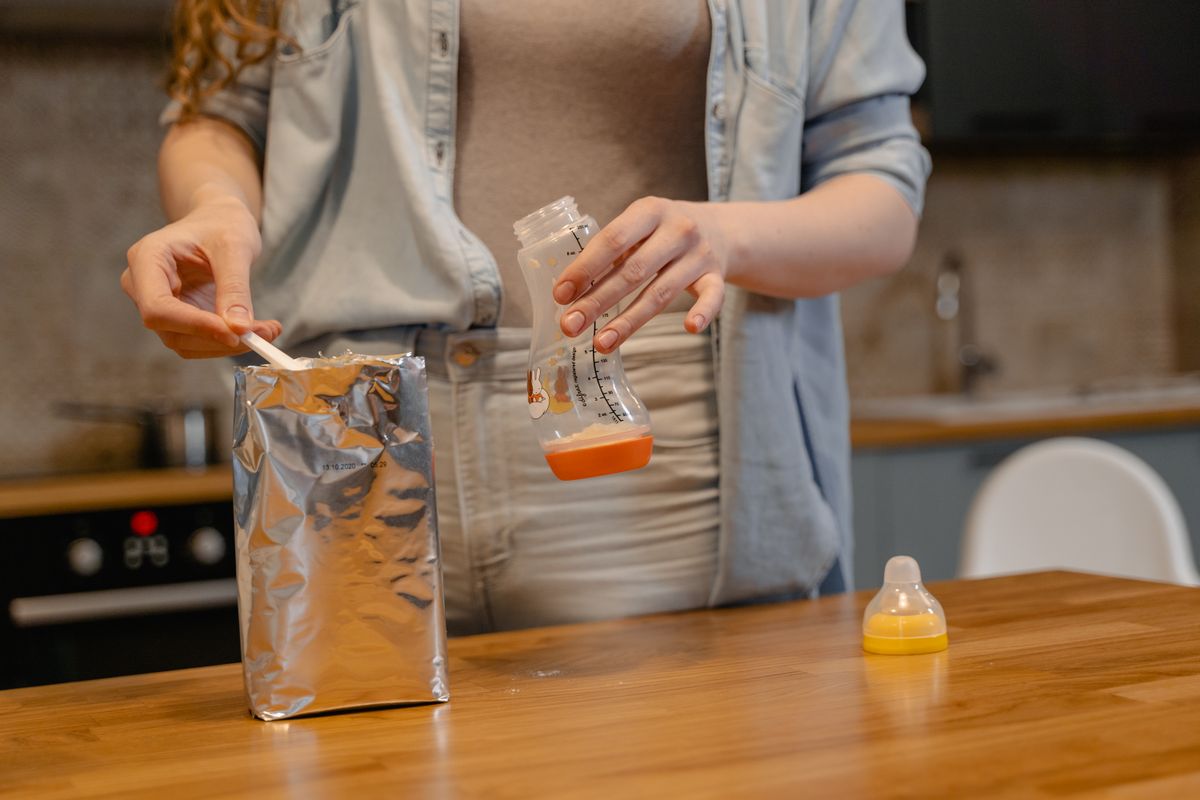
Infant formula is one product where the manufacturer’s use-by date deserves particular attention. Unlike most food package dates, this date should not be treated as a general quality suggestion. The FDA advises consumers not to use infant formula after its use-by date.
Opened powdered formula also comes with a separate timeline. Manufacturers typically recommend using an opened container within one month, although the instructions on the specific product should always take priority.
Once opened, powdered formula should remain tightly covered and stored in a cool, dry place rather than the refrigerator. Keeping track of the opening date makes it easier to follow the manufacturer’s instructions instead of relying on memory.
Raw Chicken or Turkey
Fresh chicken and turkey have a much shorter refrigerator timeline than many grocery shoppers realize. FoodSafety.gov’s Cold Food Storage Chart recommends keeping both whole poultry and individual pieces refrigerated for just one to two days. This guidance applies to raw poultry stored in the refrigerator, not to a printed expiration date on the package.
For households that buy chicken in bulk, planning ahead makes a difference. If the meat will not be used within that window, freezing it is an option. The important thing is not to confuse the refrigerator storage recommendation with the longer storage periods available in the freezer.
Ground Beef and Other Ground Meats
Ground beef, ground turkey, ground chicken, pork, lamb, and veal all fall into the same refrigerated storage category. FoodSafety.gov recommends keeping these products in the refrigerator for one to two days.
This is a shorter period than the recommended storage window for whole cuts of beef, pork, and lamb, which generally have three to five days. That distinction matters when planning meals around grocery shopping.
A package of ground beef bought for a weekend dinner should not simply sit in the refrigerator all week. If cooking plans change, freezing it before the recommended refrigerator period ends is a practical alternative.
Opened or Deli-Sliced Luncheon Meat
Deli meat is another grocery item where opening the package changes the storage timeline. According to FoodSafety.gov, opened packaged luncheon meat and deli-sliced luncheon meat should be refrigerated for three to five days.
Unopened packaged luncheon meat has a longer recommended refrigerated storage period of two weeks. This difference makes it important to pay attention to more than the date printed on the original packaging.
For example, someone who opens a package of sliced turkey on Monday should keep track of that opening date rather than assuming the original label tells the whole story. Writing the date on the package can make grocery organization easier, particularly in busy households where several people use the refrigerator.
Fresh Raw Finfish
Fresh raw fish deserves its own place on the refrigerator checklist. According to FoodSafety.gov recommendations, keep both fatty fish, such as salmon, and lean fish, such as cod, refrigerated for one to three days.
This recommendation applies specifically to fresh raw finfish. It should not be confused with storage guidance for canned fish or products kept continuously frozen. For anyone who shops for seafood ahead of planned meals, the purchase date is worth recording.
A simple note on the packaging can help distinguish recently purchased fish from items that have been sitting in the refrigerator for several days. If dinner plans change, consider freezing the fish rather than leaving it in the refrigerator beyond its recommended storage period.
Prepared Egg, Chicken, Ham, Tuna or Macaroni Salad
Prepared salads are easy additions to lunchboxes, sandwiches, and quick weekday meals. However, their refrigerated storage period is relatively short. FoodSafety.gov recommends keeping prepared egg, chicken, ham, tuna, and macaroni salads for three to four days in the refrigerator.
These recommendations apply to the specific prepared salads listed, not every type of leafy or packaged salad sold at grocery stores.
Unlike some unopened grocery products, prepared deli salads have a storage timeline that starts with their preparation or purchase rather than a distant package date. They also do not freeze well, according to FoodSafety.gov. Buying quantities that can be enjoyed within the recommended period is a sensible way to avoid forgotten containers at the back of the refrigerator.
Cooked Meat or Poultry Leftovers
Leftover roasted chicken, cooked beef, turkey, and other prepared meat dishes are convenient for another meal, but they should not remain in the refrigerator indefinitely. FoodSafety.gov recommends keeping cooked meat and poultry leftovers refrigerated for three to four days.
Storage also matters. The guidance recommends refrigerating leftovers promptly in shallow containers. This makes it easier to organize individual portions and keep track of when meals were prepared.
Freezing is another option when there is more food than the household can finish within the recommended refrigerator period. However, the three-to-four-day recommendation applies to refrigerated leftovers, not food that has remained continuously frozen. Labeling containers with preparation dates is a simple habit that makes leftovers easier to manage.
Understanding Food Dates Before Throwing Anything Away
Not every printed date means a product must automatically go into the trash. USDA guidance distinguishes between different package labels: “Best if Used By” generally refers to quality, “Sell-By” helps retailers manage inventory, and “Use-By” generally identifies when a product is expected to be at its best quality. Infant formula is an important exception.
It is also worth remembering that refrigerator and freezer recommendations are different. Food kept continuously frozen at 0°F or below can remain frozen indefinitely from a safety standpoint, although its quality may change.
The best approach is to read the package, record opening and preparation dates, and follow the relevant storage guidance. A little organization can help households waste less food while making more informed grocery decisions.