Only People Who Grew Up in the 1960s Will Recognize These 10 Household Objects
Walk into a home today, and you will probably find smart televisions, cordless appliances, automatic coffee makers, and gadgets that do tasks at the push of a button. But go back to the 1960s, and everyday household life looked very different.
Many objects that once occupied kitchen counters, living room tables, and laundry rooms have almost disappeared. Some were replaced by modern technology, while others simply became unnecessary as household routines changed.
For people who grew up during the decade, these objects may bring back memories of parents preparing meals, evenings spent watching television, and household chores that required a little more effort.
Younger generations might struggle to identify some of them. See how many of these 10 household objects you remember.
The Rotary Dial Telephone

Before smartphones and touchscreens, many American households had a rotary telephone sitting on a table or mounted on a wall.
Making a call required placing a finger into the appropriate hole on the circular dial and rotating it until it reached the metal stop. You repeated the process for every number.
Dialing a long telephone number could take a while, and a mistake sometimes meant starting over. Families often shared one telephone, meaning everyone could potentially hear when someone was making a call.
For people who grew up in the 1960s, the familiar clicking sound of a rotary dial is difficult to forget.
Related: 8 ways ’80s kids enjoyed freedom that are simply unthinkable now
The Television With Rabbit Ears
Televisions in the 1960s often came with two adjustable metal antennas commonly known as rabbit ears.
Getting a clear picture sometimes required moving the antennas into different positions. Someone might stand beside the television, slowly adjusting them while another family member watched the screen and shouted instructions.
Reception could be frustrating, especially when the picture became covered with static or started flickering.
Unlike modern televisions that receive digital signals through various connections, these older sets relied on broadcast signals received through antennas. Getting a program to appear clearly could become a household activity in itself.
The Metal Ice Cube Tray With a Lever
Before automatic ice makers became a common household convenience, making ice usually involved filling trays with water and placing them in the freezer.
Some older metal trays featured a removable divider or lever mechanism that helped release the ice cubes. Pulling the handle separated the cubes, making them easier to remove.
Anyone who remembers using these trays may also remember how stubborn frozen cubes could be.
These trays were a familiar part of many kitchens, especially in warm weather when families wanted cold drinks.
The Percolator Coffee Pot
Coffee preparation looked different in many 1960s kitchens. Instead of pressing a button on a modern coffee machine, families often used stovetop or electric percolators.
These pots circulated hot water through coffee grounds repeatedly, producing a distinctive brewing sound and filling the kitchen with the smell of freshly made coffee.
Some models had transparent knobs on their lids, letting users watch the coffee bubble as it brewed.
For households that regularly served coffee to visitors, the percolator was an important kitchen appliance.
The Manual Egg Beater
Before electric hand mixers became common in many kitchens, manual egg beaters helped people mix ingredients without relying on electricity.
The device usually had two metal beaters connected to gears and a hand-operated crank. Turning the handle made the beaters rotate, allowing people to whip eggs, cream, and other ingredients.
It required more physical effort than modern mixers, but it was a practical kitchen tool.
Some families kept one in a kitchen drawer for years, using it whenever a recipe called for mixing or beating ingredients.
Related: The 10 Ultimate Comfort Foods
The Carpet Sweeper
Not every household cleaning task required a vacuum cleaner.
The carpet sweeper was a familiar cleaning tool that used rotating brushes to collect dirt, crumbs, and other small debris from carpeted floors. You pushed it back and forth across the surface rather than powering it with an electric motor.
It was generally quieter than a traditional vacuum cleaner and convenient for picking up everyday messes.
Some households used carpet sweepers for quick cleaning between more thorough vacuuming sessions. If you grew up in the 1960s, you might remember hearing one being pushed across the living room carpet.
The TV Dinner Tray
Television changed family entertainment, and it also influenced how some Americans ate their meals.
Folding TV dinner trays allowed people to eat while watching their favorite programs. These small tables usually had folding legs and a flat surface large enough to hold a plate, glass, and perhaps a napkin.
Some families used them for frozen dinners, snacks, or everyday meals when they didn’t want to sit at the dining table.
They became particularly useful as television viewing became a regular part of home life.
The Tupperware Burping Bowl
Plastic food-storage containers became increasingly familiar in American kitchens during the mid-20th century.
Tupperware containers were especially recognizable for their flexible, airtight lids. Some lids required users to press the center or edges to release trapped air and create a secure seal.
This action became popularly associated with the distinctive sound of a container being burped.
Tupperware also became famous through home demonstrations and parties, where sales representatives introduced products directly to customers.
Many families used these containers to store leftovers, pack lunches, and keep ingredients fresh.
Related: 6 Family Reunion Games Everyone Will Want to Play
The Wall-Mounted Can Opener
Opening a tin can was not always as simple as reaching for a small handheld gadget.
Some kitchens had wall-mounted can openers attached to a cabinet or wall. Users positioned the can against the cutting mechanism and turned a handle to move the blade around the lid.
These devices were practical because they stayed in one place and did not need to be stored in a drawer after every use.
They were particularly useful in busy kitchens where canned vegetables, soups, and other packaged foods were regular ingredients.
The Washboard
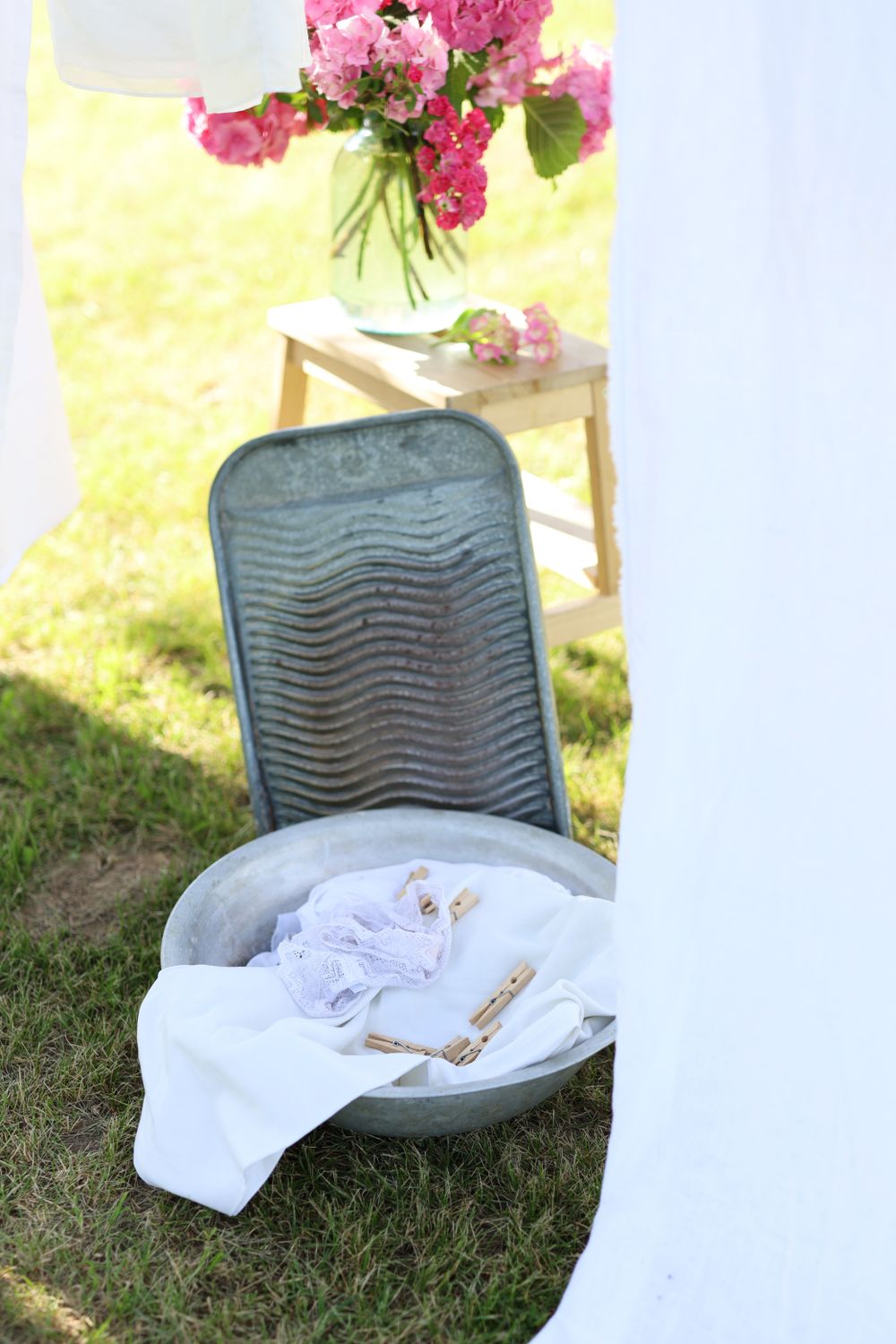
Before washing machines became widely accessible in every household, laundry could involve considerable manual effort.
The washboard was a simple but recognizable household tool featuring a ridged surface, often made of metal or wood. People rubbed clothes against the ridges with soap and water to help remove dirt.
Even after washing machines became more common, some households still used washboards to handwash delicate or heavily soiled clothing.
For people who remember doing laundry this way, the object represents just how physically demanding household chores could be.
How Many of These 1960s Household Objects Did You Recognize?
Household technology has changed dramatically since the 1960s. Tasks that once required manual effort can now be completed with electric appliances, automated devices, and modern conveniences.
The rotary telephone, manual egg beater, carpet sweeper, and washboard may look unfamiliar to younger generations, but they were once ordinary parts of everyday life.
For Baby Boomers who grew up during the decade, these objects are more than outdated household equipment. They bring back memories of childhood homes, family routines, and a time when even simple household activities required different tools.
So, how many did you recognize without looking at the descriptions? If you remembered all 10, you probably have some wonderful memories of how households operated before modern technology changed everything.