9 Foods Worth Keeping in Your Freezer to Make Weeknight Dinners Easier
Dinner becomes more complicated when the refrigerator is nearly empty and nobody wants another grocery trip. A properly stocked freezer can help by keeping useful ingredients available for busy evenings.
Frozen foods aren’t automatically less nutritious or more expensive than fresh alternatives. Their value depends on the product, preparation method, price, and how well the household uses them. These nine freezer staples can provide flexibility without requiring a collection of expensive prepared meals.
1. Frozen Mixed Vegetables
Frozen vegetable blends are useful because they can be added directly to many cooked dishes. Peas, carrots, corn, and green beans are familiar ingredients in common mixtures.
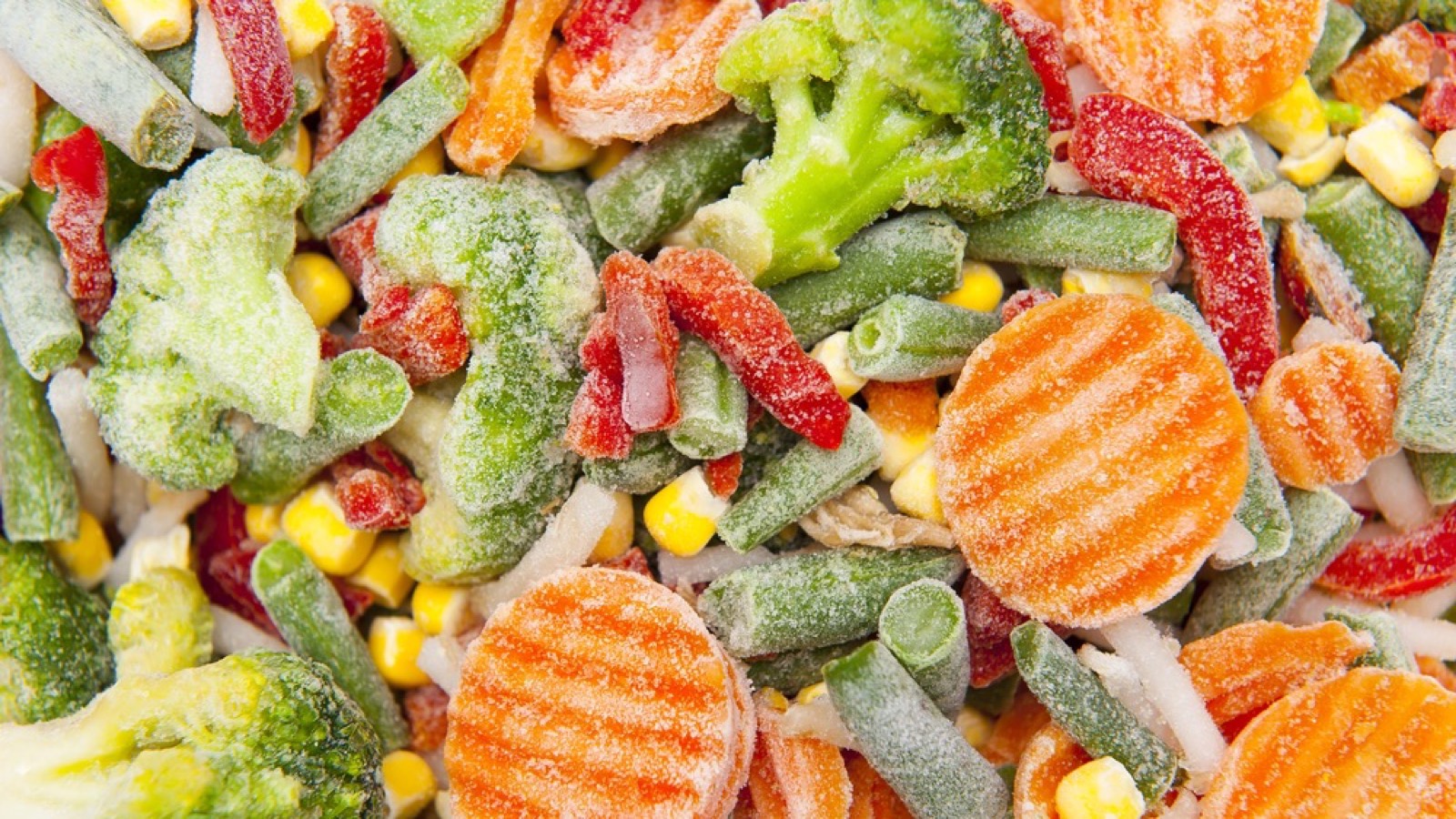
They work in soups, stir-fries, casseroles, and rice dishes. Their convenience reduces preparation time when nobody wants to chop several vegetables.
Plain frozen vegetables also allow cooks to control seasoning and sauces. Products containing added butter or sauce may have different nutritional profiles. Buying a package size that suits normal consumption helps prevent forgotten bags from accumulating.
2. Frozen Broccoli
Broccoli is a versatile vegetable that can be steamed, roasted, or incorporated into casseroles. Frozen broccoli eliminates the need to wash and cut a fresh head before cooking.
The texture may differ from fresh broccoli, especially after thawing. It often works particularly well in soups and dishes where a softer texture is acceptable.
Choosing plain broccoli gives cooks control over the finished flavor. Garlic, lemon, herbs, and suitable cooking fats can be added during preparation. A package can also be divided across several meals when stored correctly.
3. Frozen Chicken
Frozen chicken can provide a convenient protein source for families that don’t shop daily. Different cuts work in soups, roasts, stir-fries, and other dishes.
Purchasing chicken during a promotion may provide savings when the household has sufficient freezer space. Dividing larger packages into meal-sized portions makes preparation easier.
Safe thawing matters. The USDA recommends thawing poultry in the refrigerator, cold water, or microwave rather than leaving it on the counter. Chicken should be cooked to a safe internal temperature of 165°F.
4. Frozen Fish
Frozen fish can be useful when fresh seafood is expensive or difficult to purchase regularly. Many supermarkets offer individually wrapped fillets that can be prepared in appropriate portions.
The price depends on fish species, brand, and processing method. Comparing the cost per pound helps shoppers identify suitable options.
Fish can be baked, pan-cooked, or added to other recipes. Preparation should follow food safety guidance appropriate to the product. Having a few portions available makes it easier to add seafood to a meal plan without another shopping trip.
5. Frozen Berries
Frozen berries work well in smoothies, oatmeal, sauces, and baked goods. They can also reduce waste when a household struggles to finish fresh berries before they spoil.
Different products contain different ingredients. Plain frozen fruit is distinct from fruit packaged with added sugar or syrup.
Frozen berries may release more liquid after thawing, which affects some recipes. They are often particularly useful in preparations where the texture of fresh fruit isn’t essential.
Some traditional pantry ingredients remain useful alongside modern frozen products. Combining reliable pantry staples with frozen fruit can provide numerous breakfast and dessert options.
6. Frozen Spinach
Frozen spinach can be added to soups, sauces, casseroles, and egg dishes. It offers a convenient alternative to purchasing fresh spinach for recipes that require cooked greens.
The product is often chopped or packed into portions, depending on the brand. Removing excess moisture may be necessary for certain preparations.
Frozen spinach works especially well in dishes where fresh leaves would be cooked down anyway. It can also provide an easy way to include vegetables in pasta sauces. Comparing plain varieties with seasoned products helps shoppers control ingredients.
7. Homemade Soup
Soup can be prepared in large batches and frozen in smaller portions. Bean soup, vegetable soup, and many broth-based preparations are suitable candidates.
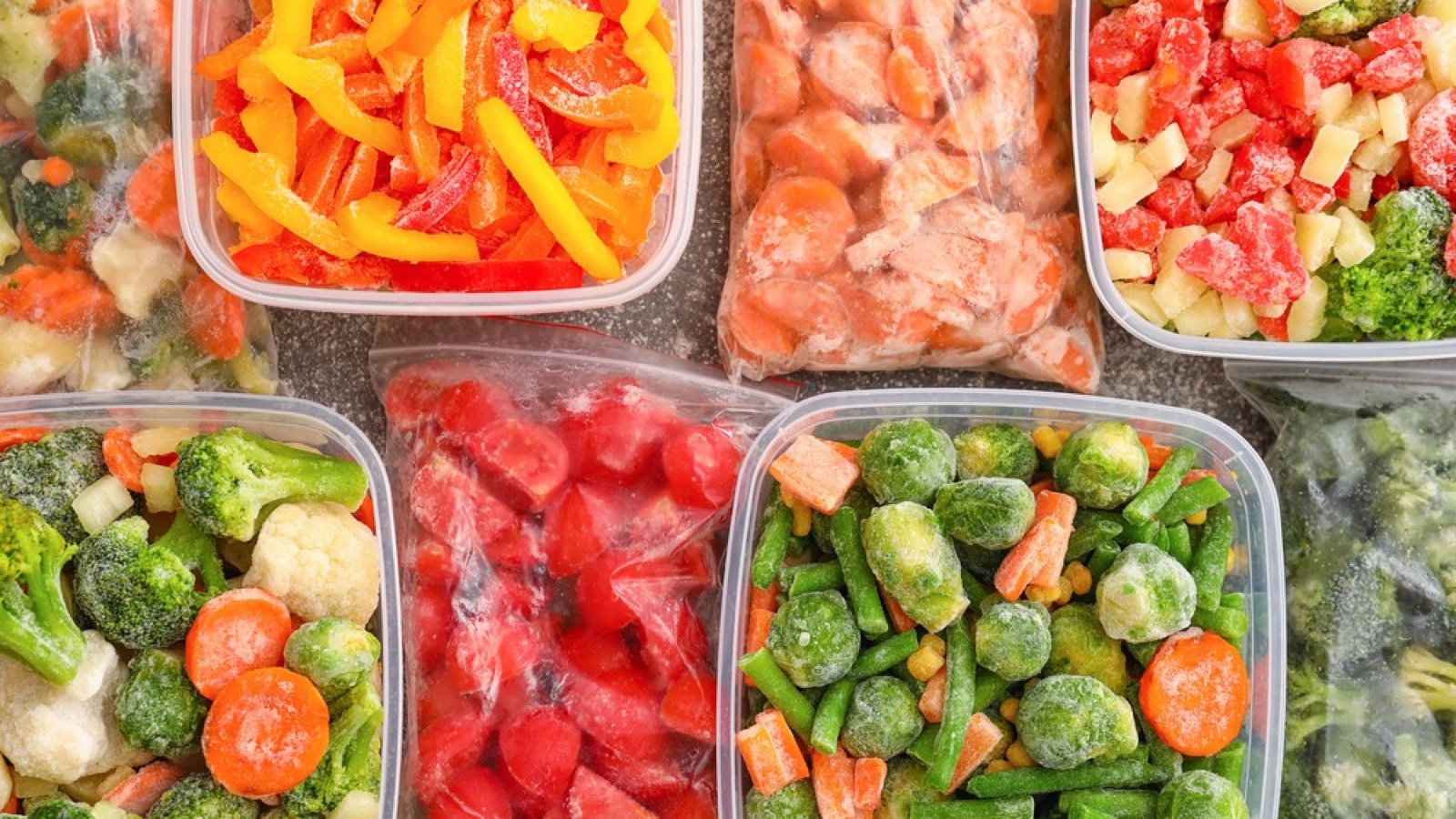
Freezing meal-sized portions makes reheating more convenient. It also reduces the temptation to purchase takeout when there is little time to cook.
Not every soup freezes equally well. Certain ingredients, including some dairy-based sauces and delicate vegetables, may change texture. Labeling containers helps families identify meals and use them while quality remains good.
8. Bread
Freezing bread can help households take advantage of promotions without allowing extra loaves to become moldy. Sliced bread is particularly convenient because portions can be removed as needed.
Bread should be wrapped properly to reduce freezer burn and loss of quality. Thawing methods depend on how the bread will be used.
Frozen bread can be toasted directly in many cases. It also remains useful for sandwiches and other meals once thawed. The practice works best when a household uses bread regularly but doesn’t finish fresh loaves quickly enough.
9. Cooked Beans
Dried beans can require significant cooking time, particularly when prepared without a pressure cooker. Cooking a large batch and freezing portions makes them more convenient for future meals.
Beans can be added to chili, soups, rice dishes, and salads after appropriate thawing or reheating. The cooking liquid may also be frozen with them.
Portioning beans before freezing prevents the need to thaw an entire batch. It also allows households to prepare meals using only the quantity required. This approach combines the affordability of dried beans with some of the convenience associated with canned products.
How to Keep a Freezer Useful
A freezer is most valuable when its contents are organized and used regularly. Buying too much food without a plan can create waste even when products remain frozen.
The USDA’s cold food storage guidance provides recommended storage periods for different foods. These periods help households manage quality and safe handling.
Keeping an inventory makes meal planning easier. It can be as simple as a list on the refrigerator showing the main ingredients available.
The objective is to make dinner more manageable, not to fill every inch of freezer space. A small selection of foods your family enjoys can provide plenty of flexibility.