Mark Warner Warns Voters Democracy Could Face New Election Pressure
Sen. Mark Warner is urging Americans to pay close attention to the future of U.S. elections, warning that confidence in democracy could be tested by efforts to challenge or reshape the way votes are handled.
The Virginia Democrat, who serves as the top Democrat on the Senate Intelligence Committee, has repeatedly raised concerns about what he describes as potential threats to election integrity. Warner’s message is not simply about one campaign or one election cycle, but about protecting the basic systems that allow Americans to choose their leaders.
His warning comes as former President Donald Trump and his allies continue pushing major changes to election policies while revisiting claims about past election interference. Critics argue those efforts could weaken public trust, while Trump supporters say stronger election rules are needed to protect the voting process.
Warner’s warning focuses on protecting public trust
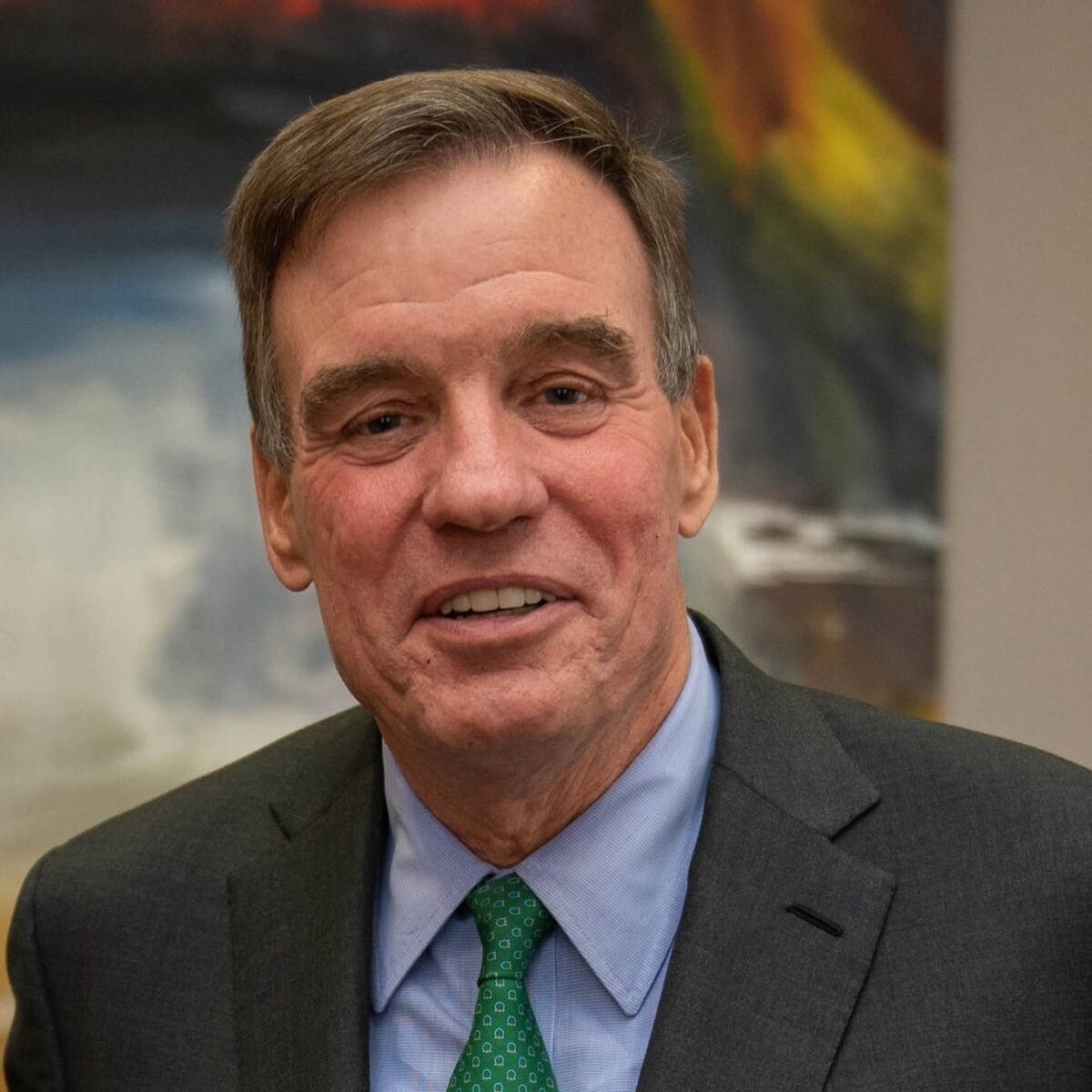
Mark Warner’s central argument is that democracy depends on more than just holding elections. It depends on citizens believing that the results reflect the will of voters and that political leaders respect the outcome.
Warner has argued that attempts to undermine confidence in elections can be damaging even before a single ballot is cast. According to him, repeated claims questioning election legitimacy create an environment where voters may doubt future results, regardless of which candidate wins.
The senator has pointed to previous debates surrounding the 2020 election as an example of how election disputes can become deeply divisive. Trump repeatedly claimed the election was stolen, but numerous audits, court decisions, and election officials found no evidence of widespread fraud that would have changed the outcome.
For Warner, the concern is not only about past disputes but about whether similar challenges could influence future elections.
Trump’s election agenda sparks fierce debate
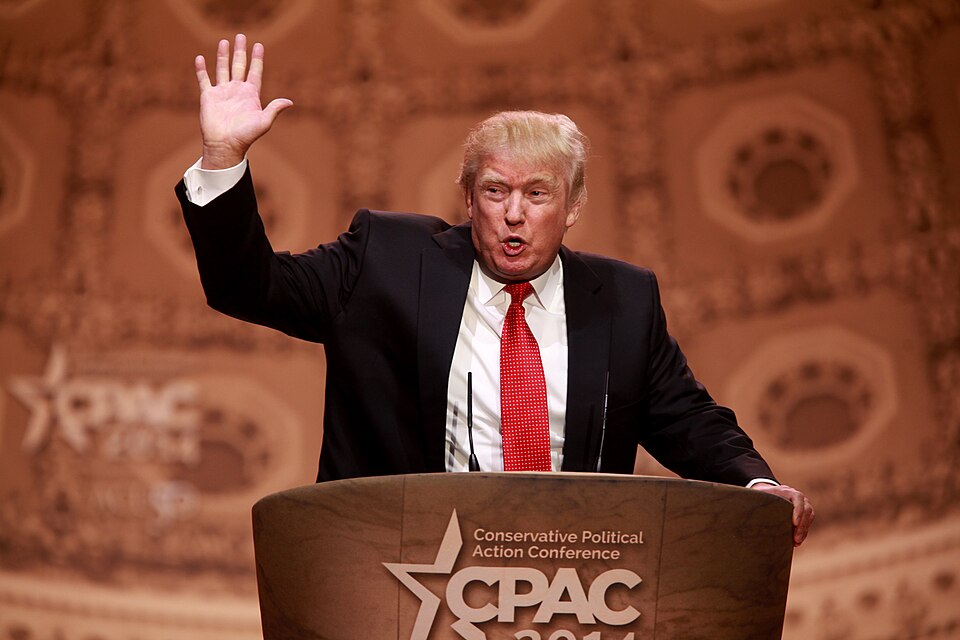
Gage Skidmore from Peoria, AZ, United States of America, CC BY-SA 2.0, via Wikimedia Commons
Trump has made election security a major political issue, arguing that changes are necessary to prevent fraud and protect voters. His administration and supporters have backed measures such as stricter voter identification requirements and proof-of-citizenship rules for registration.
Supporters of these proposals say election systems must be strengthened to maintain public confidence. They argue that tighter rules can prevent potential abuse and ensure only eligible citizens participate.
Democrats and voting rights advocates, however, have raised concerns that some proposals could create unnecessary barriers for eligible voters. They argue that election security should be balanced with protecting access to the ballot.
The disagreement reflects a larger national fight over what election security means and how far governments should go when changing voting laws.
A Senate voice raising national concerns
Warner’s position carries additional attention because of his role overseeing intelligence issues in the Senate. He has spent years focusing on foreign influence campaigns, cybersecurity threats, and attempts by outside actors to affect American politics.
During previous election cycles, U.S. officials investigated foreign efforts to spread misinformation and influence public opinion. Warner has argued that protecting elections requires vigilance against both foreign threats and domestic attempts to weaken confidence in democratic institutions.
His concerns have placed him at the center of a broader political debate about the future of American elections. Supporters view him as defending democratic safeguards, while critics accuse Democrats of using election concerns as a political weapon.
The divide shows how deeply contested the issue has become.
Voters face a battle over information and trust
One of the biggest challenges in modern elections is not only protecting voting machines or ballot systems. It is protecting the information environment surrounding elections.
False claims, misleading social media posts, and political misinformation can spread quickly, creating confusion among voters. Experts have repeatedly warned that public trust can be damaged when people receive conflicting information about election results and procedures.
Warner’s message is that voters themselves play an important role in protecting democracy. He has encouraged Americans to stay informed, verify information, and participate in the political process rather than withdrawing because of frustration or distrust.
The debate also highlights a larger question facing the country: how can America protect elections while maintaining confidence among people with sharply different political views?
The fight over elections moves beyond one politician
The controversy surrounding election integrity is unlikely to disappear after one election cycle. It has become one of the defining political issues of the current era, shaping debates in Congress, state governments, and communities across the country.
For Warner, the stakes are bigger than partisan politics. He argues that democracy depends on institutions, laws, and citizens who are willing to defend the process even when the results are disappointing.
Trump and his supporters see the issue differently, arguing that election systems require stronger safeguards and greater oversight.
As political battles continue, one point remains clear: trust in elections has become one of the most important issues shaping America’s future. Warner’s warning reflects a growing debate over how the nation protects its democratic traditions while navigating a period of intense political division.