UK Airport “Goodbye Fees” Reach £10 While Major European Hubs Keep Drop-Offs Free.
The final few minutes before a flight are rarely graceful.
Suitcases are pulled from the boot, passports are checked again, and families squeeze one last goodbye into the space between a terminal door and a waiting line of cars. At many British airports, that brief ritual now comes with a price tag that can feel wildly out of proportion to the time involved.
Sixteen of the United Kingdom’s 20 busiest airports have increased their terminal drop-off fees since last summer. The average charge has risen by £1.70 to £7, an increase of roughly one-third.
Every airport in the group now charges drivers for the most convenient terminal-side drop-off. That has sharpened a question many travelers are asking: why is Britain making short airport goodbyes more expensive while major hubs across continental Europe still provide free options?
Gatwick and Stansted Push Fees to £10
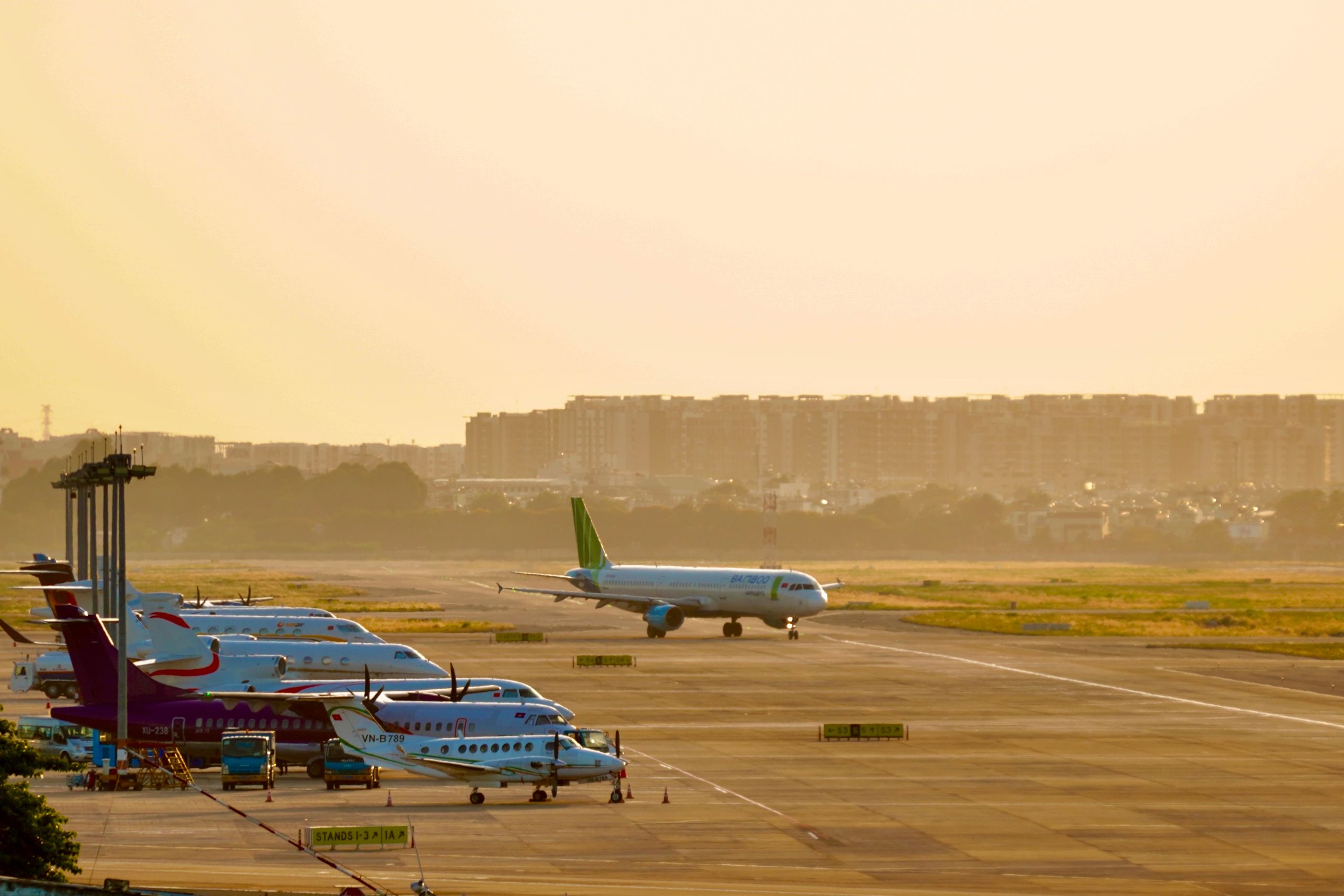
London Gatwick and London Stansted now charge the highest headline fees.
Gatwick requires drivers to pay a minimum of £10 to use the drop-off areas outside its North and South terminals. Stansted also charges £10 for its express set-down zone, giving motorists up to 15 minutes before higher charges apply.
Other airports are not far behind. Bristol and Edinburgh charge £8.50 for 10 minutes, while Leeds Bradford charges £8 for the same period. Bournemouth also charges £8, although drivers receive a longer 30-minute window.
The cost looks even more striking when measured by the minute.
London City Airport charges £8 for the first five minutes, equal to £1.60 a minute. Manchester charges £5.50 for five minutes, whileGatwick’s minimum works out at £1 a minute during the initial period.
At those rates, a slow suitcase wheel, a crowded lane or a final hug can quickly begin to feel expensive.
The Last Free Terminal Drop-Off Has Gone
London City’s introduction of a charge carried symbolic weight because it had been the last airport among Britain’s 20 busiest to offer free, convenient drop-off access close to the terminal.
Before the pandemic, several major airports still allowed drivers to make brief terminal-side stops without paying. That has changed rapidly.
Heathrow now charges £7 every time a vehicle enters one of its terminal drop-off zones. Gatwick, Stansted and other airports have also moved firmly toward paid access near departures.
Airport operators generally say the charges help control congestion, reduce unnecessary car journeys and encourage greater use of public transport. Some also link the fees to environmental targets.
Those explanations may be less persuasive to families with young children, passengers carrying several bags or people catching flights before trains and buses begin operating.
The issue is not simply that airports charge for parking. Many drivers are paying for only a few minutes in motion.
Europe Offers a Different Model
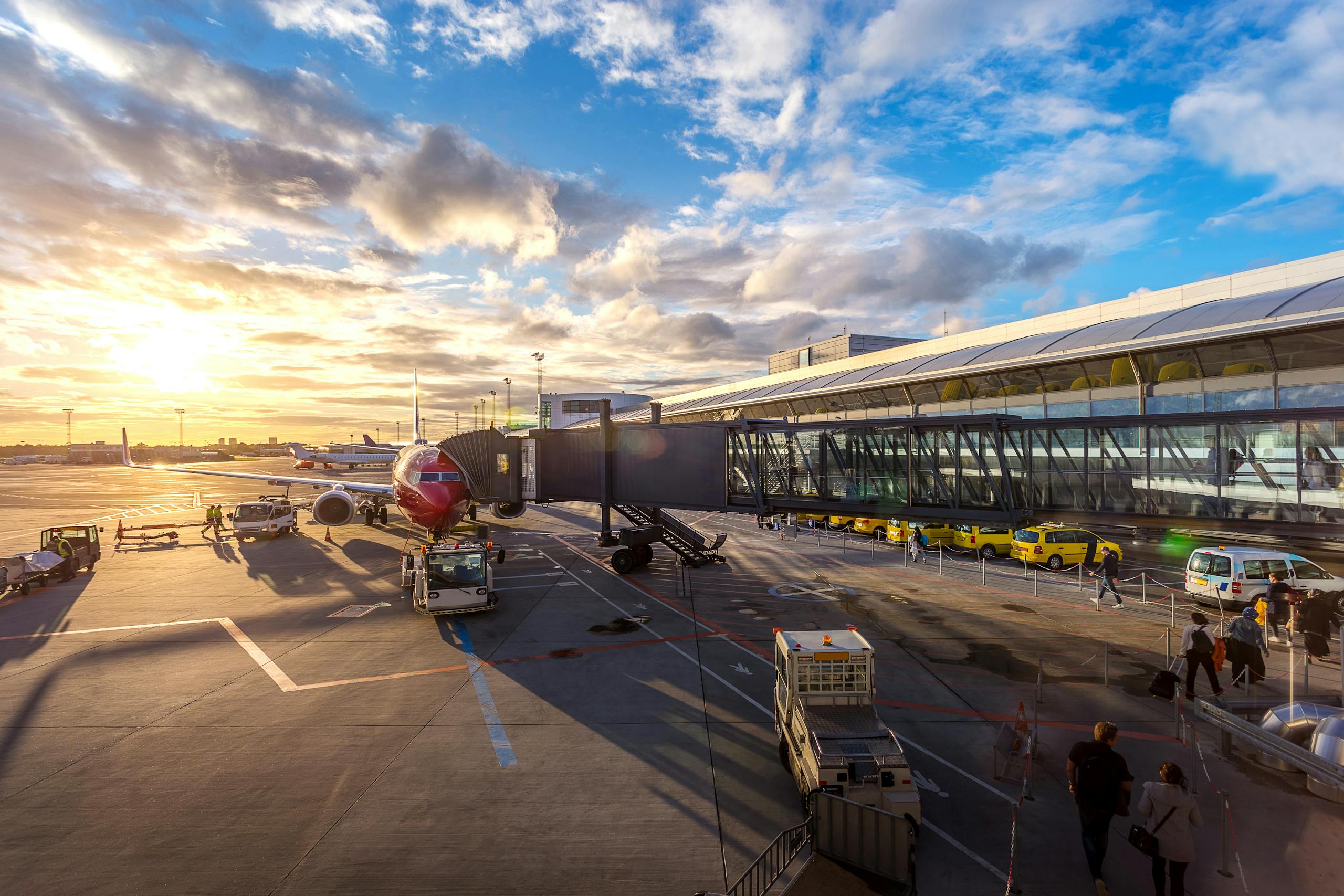
The strongest part of the story is the international contrast.
Research comparing major airports found that the busiest hubs in the European Union generally continue to provide free short-stay drop-offs. Similar options are also available at several major airports outside Europe.
At Venice Marco Polo Airport, drivers can stop near the terminal without charge for a limited period. Milan Malpensa provides a free waiting area between its terminals. Ljubljana allows a short free window, while Paris Charles de Gaulle and Paris Orly also maintain free drop-off arrangements.
These airports still deal with security, traffic pressure, limited road space and large passenger volumes. Their systems suggest that charging every driver is not the only possible way to manage terminal access.
Critics of the UK model argue that the fees have become an easy source of income because drivers seeking the closest option form a captive market.
The Business Travel Association has said that higher kerbside prices do not automatically make public transport practical. It argues that the added cost can instead fall on passengers, taxi operators, workers and businesses.
That criticism does not prove the fees are unnecessary. It does strengthen the case for asking why British airports have moved so much further toward paid access than many comparable European hubs.
A Small Fee Can Become a £100 Mistake
The original charge is not always the biggest risk.
Several airports now use automatic number-plate recognition rather than payment barriers. Cameras record each vehicle entering the zone, but drivers must remember to pay online or by telephone later.
At airports including Heathrow, Gatwick, Manchester, Stansted and Luton, payment is generally required by midnight on the day after the visit. Missing the deadline can lead to a parking charge notice of up to £100.
The barrier-free system helps keep traffic flowing, but it can also create an easy trap. Drivers may complete the drop-off, travel home and forget that a digital payment is still waiting.
The driver may be focused on traffic, luggage, or an emotional goodbye rather than a sign explaining a payment deadline.
A charge of £7 or £10 can therefore become a far more expensive mistake.
Free Options Still Exist, but Convenience Is Lost
Most large airports offer ways to avoid terminal fees, although passengers usually have to surrender convenience.
Gatwick allows free drop-offs in its long-stay car parks, followed by a shuttle journey to the terminal. Stansted provides a free option in its Mid Stay car park. Heathrow offers limited free periods in park-and-ride areas, while other airports operate similar remote zones.
These alternatives can work well for travelers who plan and arrive early. They are less attractive for people with mobility needs, heavy baggage, young children or tight schedules.
The modern British airport goodbye has therefore split into two versions.
There is the free goodbye, usually farther from departures and followed by a shuttle. Then there is the convenient goodbye beside the terminal, where the meter starts almost as soon as the car arrives.
For many travelers, that is the real frustration. The fee is not simply attached to parking. It is attached to proximity, urgency and the final few minutes before someone leaves.