Citizenship Under Review? Trump’s Denaturalization Push Sparks a Historic Battle Over Who Gets to Remain American
Nearly 27 million naturalized citizens are watching closely as the Trump administration expands a rarely used legal tool that could strip citizenship from people accused of fraud, hidden crimes, or misrepresentation during the naturalization process.
For generations, becoming a U.S. citizen has represented the final step in a long journey: years of paperwork, background checks, interviews, and a promise to fully join American society. But in 2026, a once-obscure legal process called denaturalization has moved from courtroom records into the center of a national political fight.
The Trump administration says it is targeting a small group of people who never should have received citizenship because they allegedly lied during the application process. Critics warn that expanding the program too aggressively could create uncertainty for millions of Americans who became citizens legally.
The numbers explain why this issue is attracting attention: more than 26 million naturalized citizens live in the United States, fewer than 200 denaturalization cases were pursued during Trump’s first term, and fewer than 15 cases per year were typically filed historically before the recent expansion.
A Rare Legal Weapon Is Becoming a Major Immigration Enforcement Tool
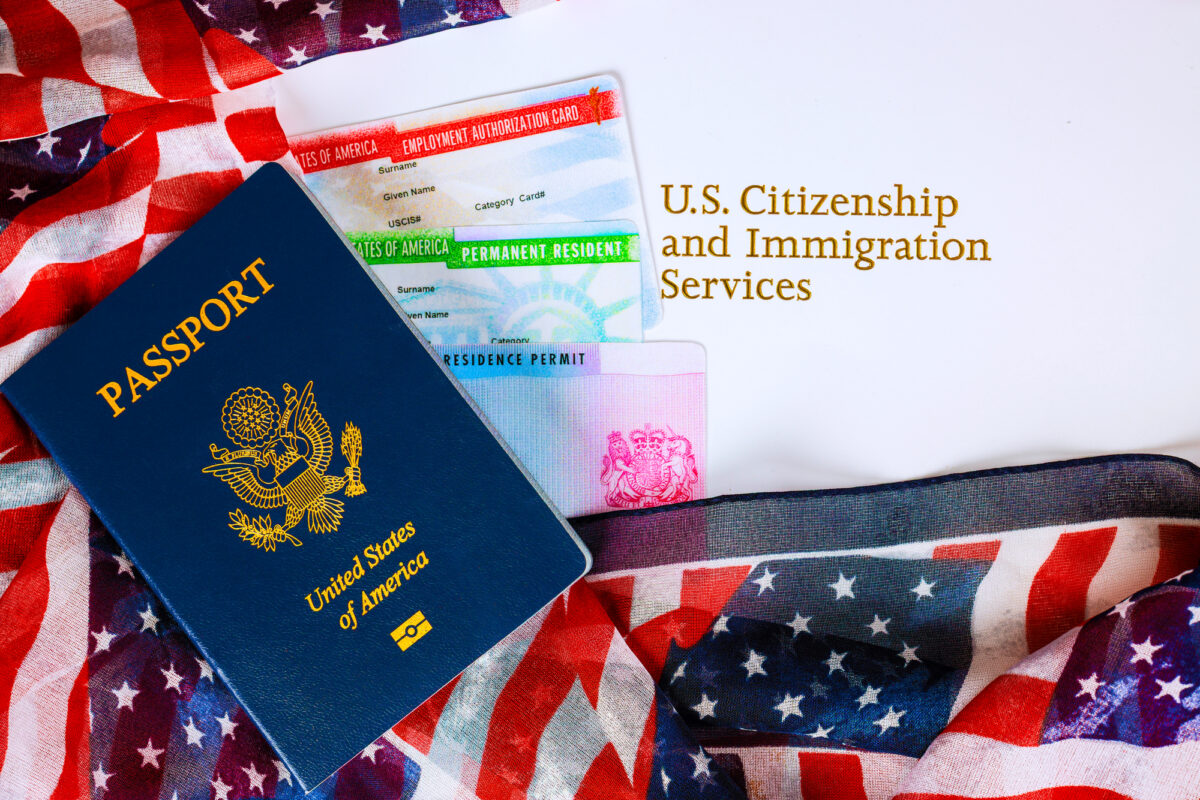
A process once used only a handful of times each year is now being positioned as a major part of a broader immigration crackdown.
Denaturalization is not the same as deportation. It targets people who already completed the citizenship process and received legal recognition as Americans.
Under federal law, the government must prove in court that citizenship was obtained illegally, usually through fraud or intentional deception. A person cannot lose citizenship simply because officials disagree with their political views, opinions, or lawful actions after becoming a citizen.
The current debate centers on scale.
Federal officials say the Justice Department has filed nearly 90 denaturalization cases since 2025, with a goal of reaching 250 cases in a single year. That would represent one of the largest expansions of the process in modern history.
For comparison, previous administrations generally handled denaturalization as an exceptional measure. The Biden administration pursued about 24 cases over four years, while Trump’s first term saw roughly 100-plus cases, already considered a significant increase.
Why the Trump Administration Says Citizenship Fraud Must Be Punished
The administration’s argument is simple: citizenship gained through deception should not be protected forever.
Officials say the program focuses on individuals who allegedly concealed information that could have prevented them from becoming citizens.
Some cases involve accusations of:
- Using fake identities during immigration proceedings
- Hiding serious criminal convictions
- Providing false information during naturalization interviews
- Concealing involvement in extremist groups or war crimes
Government officials argue that the naturalization system depends on honesty. Each applicant signs documents confirming that their information is accurate.
The administration’s position is that when someone commits fraud during that process, the government has a responsibility to correct the mistake.
Supporters compare it to canceling a benefit that was obtained illegally.
Critics respond that citizenship is different from other government benefits because it represents permanent membership in the nation.
The Numbers Behind the New Citizenship Fight
The scale of the current effort is what separates it from previous immigration enforcement campaigns.
For decades, denaturalization remained extremely rare.
Between 1990 and 2017, researchers found that the federal government averaged roughly 11 denaturalization cases per year.
That limited use was partly because cases are difficult. Prosecutors must prove not only that false information existed, but that the deception mattered enough that citizenship would likely have been denied without it.
Now, the government is dedicating more resources.
The Justice Department has encouraged more U.S. attorney offices to participate, creating a nationwide approach instead of relying mostly on specialized federal attorneys.
That change could dramatically increase the number of cases investigated.
Why Courts Will Have the Final Say on Citizenship Revocations

Even the strongest political push cannot remove citizenship without surviving a federal court battle.
A major misconception about denaturalization is that the government can simply cancel citizenship with the stroke of a pen.
That is not how the process works.
Each case requires evidence, legal arguments, and approval from a federal judge.
The government must prove that:
- The person obtained citizenship through fraud or misrepresentation.
- The information was important to the naturalization decision.
- The person intentionally provided false information.
Federal courts have historically treated citizenship as one of the most valuable legal statuses a person can possess.
Judges have repeatedly warned that citizenship should not be removed casually.
That legal standard could become one of the biggest challenges facing the administration’s expanded program.
The Hidden Cost: Years of Investigations and Millions in Legal Resources
A bigger denaturalization program also creates a bigger workload for the federal government.
Unlike routine immigration enforcement actions, denaturalization cases can take years.
They often require:
- Reviewing decades-old immigration files
- Gathering government records
- Interviewing witnesses
- Conducting extensive legal research
- Preparing for federal trials and appeals
Former Justice Department officials have warned that expanding denaturalization could redirect attorneys away from other priorities, including healthcare fraud, corruption investigations, environmental cases, and national security matters.
The financial impact is also significant.
A single complicated federal case can require hundreds or even thousands of hours of attorney work.
While officials argue the effort protects the integrity of citizenship, critics question whether the resources could be better used elsewhere.
A Historical Reminder: America Has Been Here Before
The current debate echoes earlier periods when citizenship became tied to national security fears and political battles.
The United States has used denaturalization before, especially during times of war and political tension.
During the first half of the 20th century, thousands of immigrants faced citizenship challenges connected to accusations involving national security and political beliefs.
Legal scholars say that history is one reason modern courts created stronger protections.
A major Supreme Court decision in 1967 limited government power by ruling that citizenship could generally only be revoked when obtained through fraud or intentional misrepresentation.
That decision helped establish the modern understanding that citizenship should not depend on changing political priorities.
Could the Definition of Citizenship Change?
The biggest question is not just who loses citizenship, but how secure citizenship remains after someone earns it.
The United States has always distinguished between citizens and noncitizens.
Citizenship provides voting rights, protection from many immigration consequences, and the ability to fully participate in American life.
For naturalized citizens, the process often requires years of commitment.
Many spend 5 years or more as permanent residents before applying. They complete English and civics requirements, pass interviews, and undergo federal background checks.
Critics fear that a broad denaturalization effort could make millions of naturalized Americans feel their citizenship is less permanent.
Supporters argue the opposite: they say protecting citizenship requires removing people who obtained it dishonestly.
Political Pressure Is Growing as Lawmakers Debate Expansion
The fight over denaturalization is moving beyond courtrooms and into Congress.
Some Republican lawmakers have introduced proposals aimed at expanding the circumstances under which citizenship could potentially be challenged.
Supporters argue that serious crimes, national security concerns, and fraud should carry consequences even after naturalization.
Opponents warn that expanding the rules too far could create a system where citizenship depends on changing political leadership.
The disagreement reflects a much larger debate about immigration enforcement: Should citizenship be viewed as a permanent status once legally granted, or as a privilege that can be revisited under broader circumstances?
What Happens Next Could Define the Future of American Citizenship
The next wave of denaturalization cases could determine how far the federal government can go in challenging citizenship after it has already been granted.
The Trump administration has made clear that it plans to continue expanding the program.
Federal officials say the current cases represent only the beginning.
Legal experts expect federal courts to carefully examine whether each case meets the strict requirements established by law.
With millions of naturalized Americans watching, hundreds of potential cases developing, and decades of legal precedent in play, the denaturalization debate has become more than an immigration story.
It has become a national conversation about what citizenship means, how it is protected, and whether the promise of becoming American remains as permanent as generations have believed.