Lindsey Graham’s Reported Film Project Raises New Questions About Politics, Power and Conservative Messaging
A reported documentary project involving Senator Lindsey Graham has sparked fresh debate about the relationship between political influence, media strategy and the growing role of storytelling in shaping public opinion.
Politics has increasingly moved beyond speeches, debates and campaign rallies. In an era dominated by digital platforms, documentaries and visual storytelling have become powerful tools for shaping narratives, defending reputations and influencing how voters understand political figures and events.
The reported involvement of Senator Lindsey Graham in a film project has drawn attention because it reflects a broader transformation in American politics: the growing use of entertainment and media production as an extension of political communication.
For lawmakers, filmmakers and political strategists, documentaries are no longer simply historical records. They can become vehicles for persuasion, legacy building and public engagement.
Lindsey Graham’s reported film involvement highlights a changing political landscape.
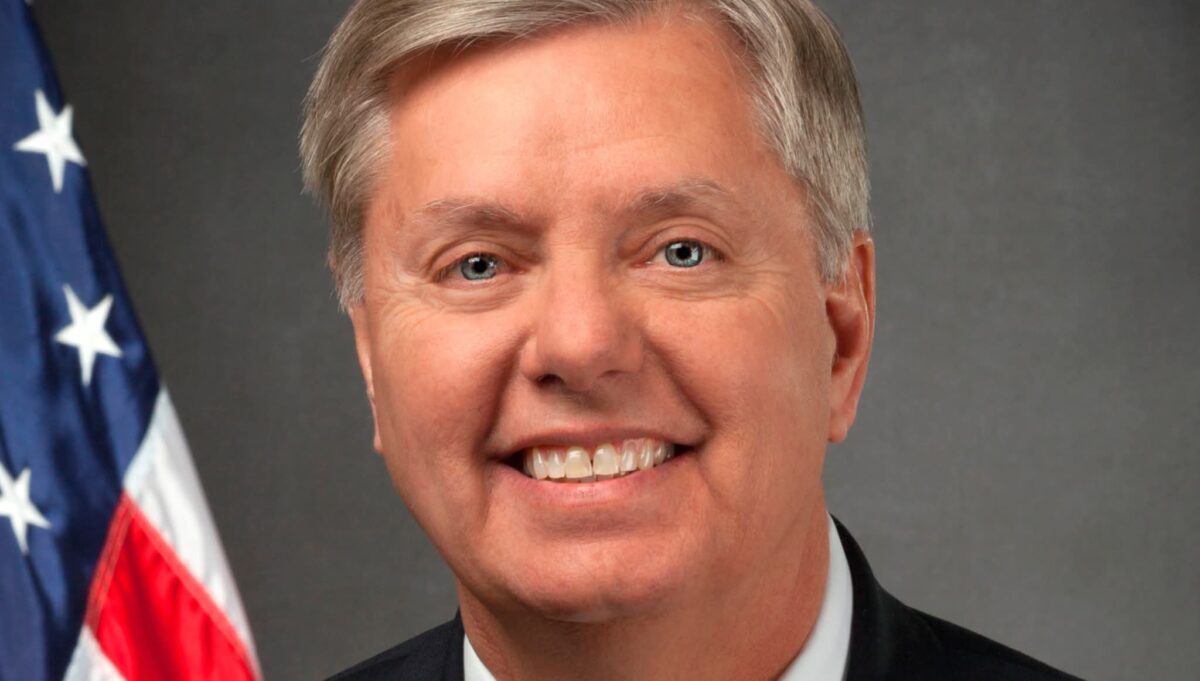
Senator Lindsey Graham, a longtime Republican figure from South Carolina, has spent decades at the center of major national debates involving foreign policy, national security, and conservative politics.
His reported connection to a film project comes at a time when political figures across the spectrum are increasingly turning to media platforms to communicate directly with audiences.
Traditional news coverage often compresses complex political issues into short headlines and brief television segments. A documentary format allows political figures and their supporters to present longer narratives, explain motivations, and frame events from a particular perspective.
This shift reflects a wider trend in American politics where controlling the message has become almost as important as making policy.
Political communication experts have noted that modern campaigns and public figures increasingly rely on storytelling because voters often connect more strongly with personal narratives than with policy documents alone.
Why documentaries have become powerful political tools
Political films have a long history in American public life. Candidates, activists and organizations have used documentaries to highlight causes, criticize opponents and build emotional connections with audiences.
Unlike traditional campaign advertisements, documentaries can create the impression of depth and authenticity. They allow viewers to follow a storyline, understand personal experiences and see political events through a specific lens.
For supporters, such projects can provide context and background that they believe is missing from mainstream coverage.
For critics, political documentaries can raise concerns about selective storytelling, framing and whether entertainment formats are being used to influence public perception.
The debate is not only about one film project. It reflects a larger question about how Americans consume political information in an age where streaming platforms, social media and online video increasingly compete with traditional journalism.
The intersection of politics, media and personal legacy
For prominent politicians, media projects can also play a role in shaping historical memory.
Public officials often spend years building a reputation around specific issues, alliances and decisions. A documentary offers an opportunity to preserve their version of events and highlight moments they believe define their careers.
Lindsey Graham has been a highly visible political figure involved in discussions ranging from Supreme Court confirmations to international conflicts and national security matters.
A film connected to a major political figure can therefore become part of a broader effort to document a political era and influence how future audiences interpret key moments.
Political storytelling is rarely neutral. Every documentary involves decisions about which events receive attention, which voices are included, and what overall message the audience receives.
Supporters see opportunity, critics see political messaging.
The reaction to politically connected films often depends heavily on political perspective.
Supporters may view such projects as necessary efforts to explain a politician’s record, defend decisions, and provide information they believe has been overlooked.
Critics may argue that films connected to political figures can function as advocacy tools designed to strengthen a public image or promote a particular viewpoint.
Both perspectives highlight the central challenge of modern political media: audiences must evaluate not only the information presented but also the purpose behind its presentation.
In a crowded media environment, where competing narratives emerge quickly, understanding the source, motivation, and context behind political content has become increasingly important.
A new era of political communication
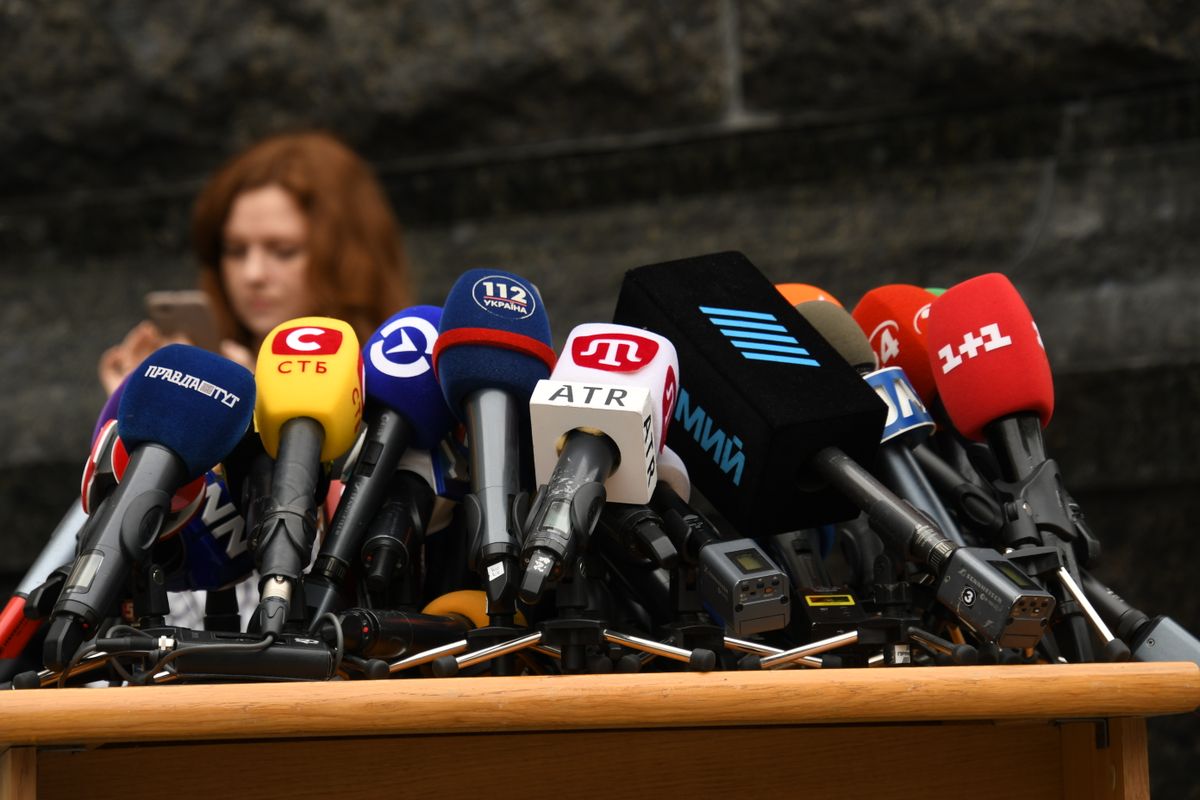
The reported film project connected to Lindsey Graham reflects a much larger transformation happening across American politics.
Politicians are no longer communicating only through official statements, press conferences or legislative debates. They are increasingly becoming media figures who use podcasts, documentaries, social platforms and digital channels to reach audiences directly.
This evolution has created new opportunities and new challenges.
On one hand, politicians can explain their views in greater detail and connect with citizens without relying entirely on traditional media organizations.
On the other hand, the growing overlap between politics and entertainment makes it harder for audiences to separate information, persuasion, and branding.
As political communication continues to evolve, documentary filmmaking will likely remain an important part of how leaders attempt to shape public understanding.
The bigger question behind Lindsey Graham’s reported film project
The discussion surrounding the reported project is ultimately about more than one senator or one documentary.
It represents a fundamental change in how political influence operates in the digital age.
Power today is not only built through legislation and elections. It is also shaped through visibility, storytelling and control of public narratives.
As politicians increasingly embrace film and digital media, voters face a new responsibility: looking beyond the production value and asking deeper questions about context, evidence and perspective.
The future of political communication may belong not only to those who create policies but also to those who successfully tell the stories behind them.