8 Most Hated States in the U.S.
The United States is vast, diverse, and full of contrasts. Some states are celebrated for their scenic beauty, culture, or economic opportunities, while others attract criticism for high taxes, political controversies, or social issues.
Public perception of a state can influence migration, tourism, and even how locals feel about their home. This article explores 8 of the most hated states in the U.S., examining why they often top lists of disapproval and the factors behind their controversial reputations.
California
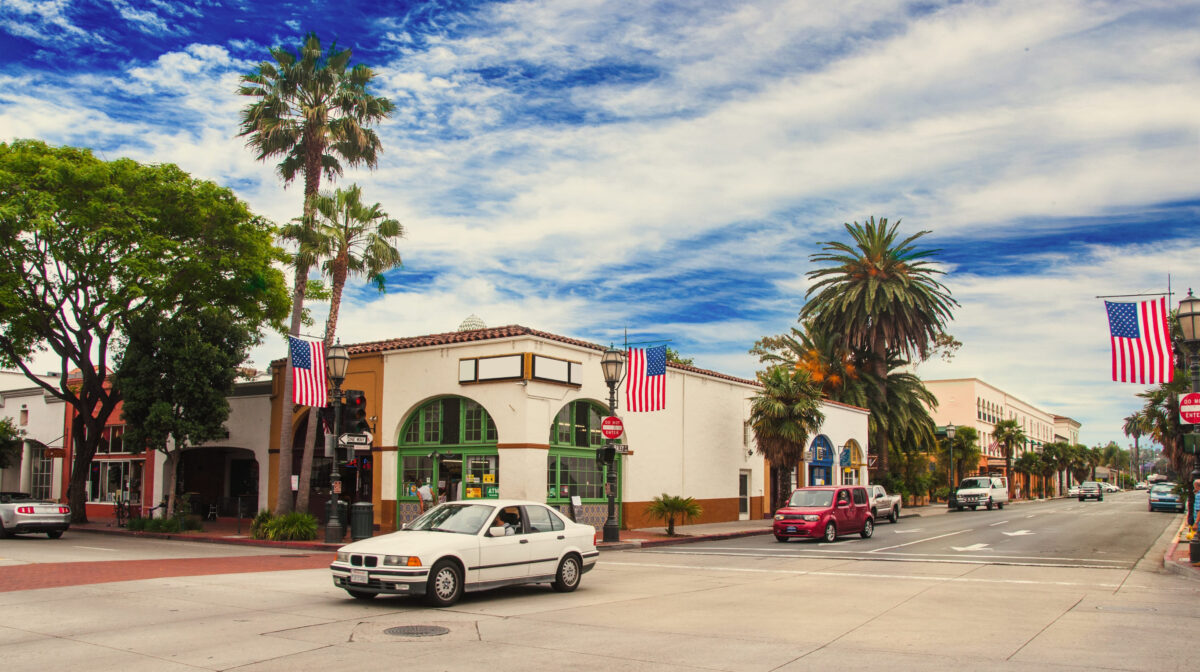
California is renowned for its beaches, Hollywood glamour, and tech hubs, yet it consistently ranks among the least liked states. Critics point to high taxes, sky-high housing prices, and traffic congestion as key sources of frustration.
While Silicon Valley and Los Angeles attract ambitious professionals, the cost of living often outweighs the perks for many residents. Wildfires and droughts also contribute to a sense of environmental vulnerability. Despite the state’s wealth and cultural influence, many feel California’s challenges overshadow its benefits.
Economically, California faces a paradox of opportunity and strain. The state boasts the largest economy in the U.S., but fiscal mismanagement and regulatory complexity can frustrate small businesses. Urban density leads to traffic, pollution, and strained infrastructure, while homelessness remains a visible and complex issue.
New York
New York’s reputation is often tied to its bustling urban centers, particularly New York City. High living costs, congestion, and extreme income inequality contribute to its controversial image. Outside the city, upstate New York faces economic stagnation and population decline, intensifying perceptions of imbalance. The state’s taxes are among the highest in the nation, discouraging some from establishing roots. Political polarization also shapes opinions, with local and national policies sparking debate.
Crime perception adds another layer of concern. While New York City has seen a decline in violent crime, media coverage often amplifies incidents, reinforcing negative impressions. Public transportation can be both a blessing and a source of frustration, with delays and infrastructure issues impacting daily life.
Florida

Florida attracts tourists with sunshine and beaches, yet its reputation is polarized among residents and outsiders alike. Hurricanes, high humidity, and insect infestations are common complaints. Political controversies, from voting laws to climate policy, often put the state in national headlines.
Retirees and snowbirds appreciate the climate, but younger populations may struggle with seasonal extremes and limited job diversity. Media stories of bizarre incidents sometimes overshadow Florida’s natural beauty, further affecting public perception.
Economically, Florida benefits from tourism and real estate, but these sectors can fluctuate, creating instability. Coastal flooding and hurricanes pose real risks, particularly for homeowners and small businesses. Urban areas like Miami face challenges with traffic congestion and housing affordability.
Texas
Texas is often admired for its size, energy industry, and cultural identity, yet it faces scrutiny over political polarization and social policies. Urban centers like Houston and Dallas experience rapid growth, while rural areas struggle with declining infrastructure and limited healthcare access. Extreme weather events, from tornadoes to heatwaves, challenge residents and strain resources. Political and cultural divides shape perceptions, making Texas a state of contrasts.
The economic landscape reflects similar contrasts. Texas boasts no state income tax, but property taxes are high, and utility costs can spike during energy crises. Urban areas benefit from tech growth and corporate relocation, whereas smaller towns may face economic stagnation.
Illinois
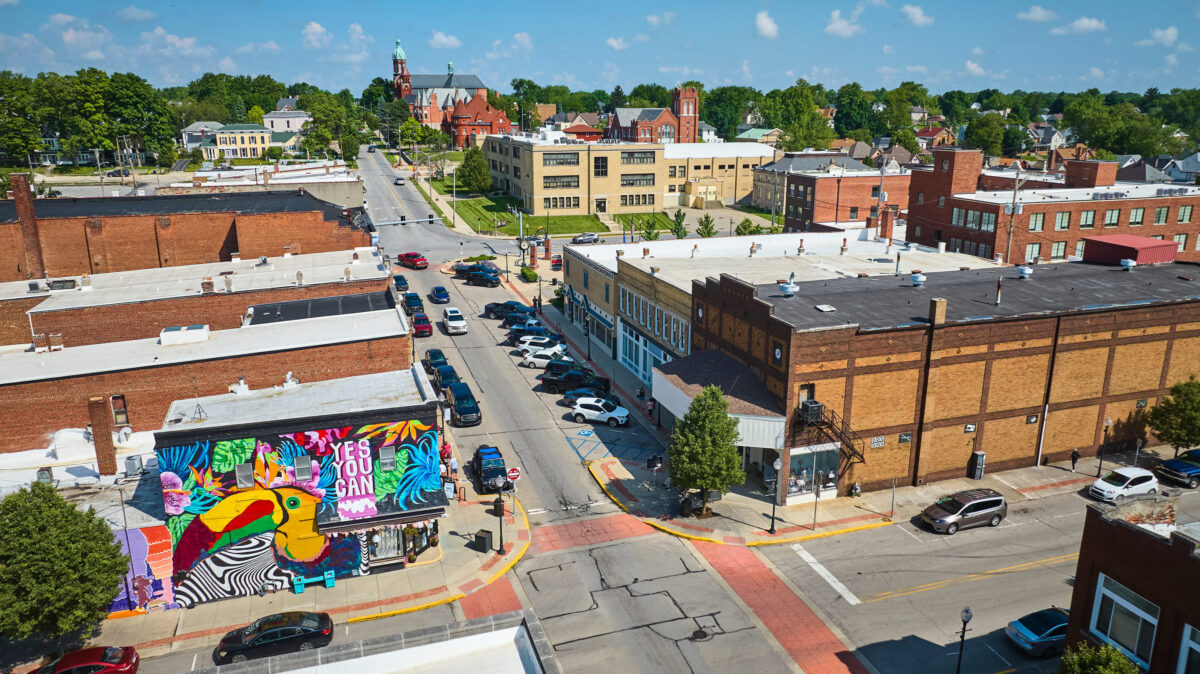
Illinois is criticized for fiscal instability, particularly in Chicago and its surrounding areas. High taxes, pension crises, and budget shortfalls contribute to a sense of economic pressure. Crime rates, particularly in Chicago, often dominate headlines, overshadowing the state’s strengths. Political gridlock and corruption scandals further affect perceptions. Residents frequently cite frustration with governance and public services as reasons for dissatisfaction.
On the social side, Illinois struggles with regional disparities. Northern Illinois, including Chicago, offers urban opportunity, while downstate areas may see population decline and limited job growth. Infrastructure challenges, public school disparities, and public safety concerns reinforce negative impressions.
Pennsylvania
Pennsylvania faces a reputation of economic stagnation in older industrial regions, while cities like Philadelphia and Pittsburgh show pockets of growth. Political polarization, particularly between urban and rural areas, influences public perception. High taxes and aging infrastructure contribute to frustration. Regional cultural divides often accentuate differences in lifestyle, politics, and economic opportunities.
Population patterns reflect these issues. While urban centers see revitalization through education, tech, and healthcare, rural areas experience limited growth and higher poverty rates. Public services, transportation infrastructure, and healthcare accessibility vary widely, reinforcing a mixed reputation.
Arizona

Arizona’s climate and immigration debates dominate its reputation. Scorching summers, water scarcity, and political controversies around border control shape perceptions. Urban growth in Phoenix and Tucson brings infrastructure challenges, while rural areas may experience service gaps. The state attracts retirees, and those seeking dry climates, yet extreme weather and environmental concerns are persistent drawbacks.
Economically, Arizona benefits from real estate, tourism, and tech growth, but environmental constraints limit expansion. Housing markets fluctuate, and extreme heat increases energy demands. Migration from neighboring states introduces cultural and political tension. Despite these challenges, Arizona’s scenic deserts, national parks, and growing cultural scene continue to attract visitors and residents alike.
Michigan
Michigan faces criticism largely due to economic decline and environmental issues. Former industrial hubs, particularly Detroit, have struggled with population loss and economic restructuring. Urban decay, high unemployment, and social challenges contribute to negative perceptions. Environmental concerns, such as water contamination, reinforce skepticism about governance and infrastructure.
Northern and suburban areas fare better, but disparities persist. Michigan’s natural resources, including the Great Lakes, offer recreation and tourism opportunities. Political tensions and urban-rural divides further influence perceptions.
Conclusion
Public perception of states is complex and shaped by both lived experiences and popular narratives. California, New York, Florida, Texas, Illinois, Pennsylvania, Arizona, and Michigan all face criticism for specific reasons, yet each also offers opportunities, culture, and lifestyle benefits. By understanding the factors behind negative reputations, Americans can make more informed choices about travel, relocation, or investment. Perception is never permanent, and every state carries the potential for improvement and rediscovery.