U.S. Pauses Iran Strikes as Diplomacy Takes Center Stage and Strait of Hormuz Remains in Focus
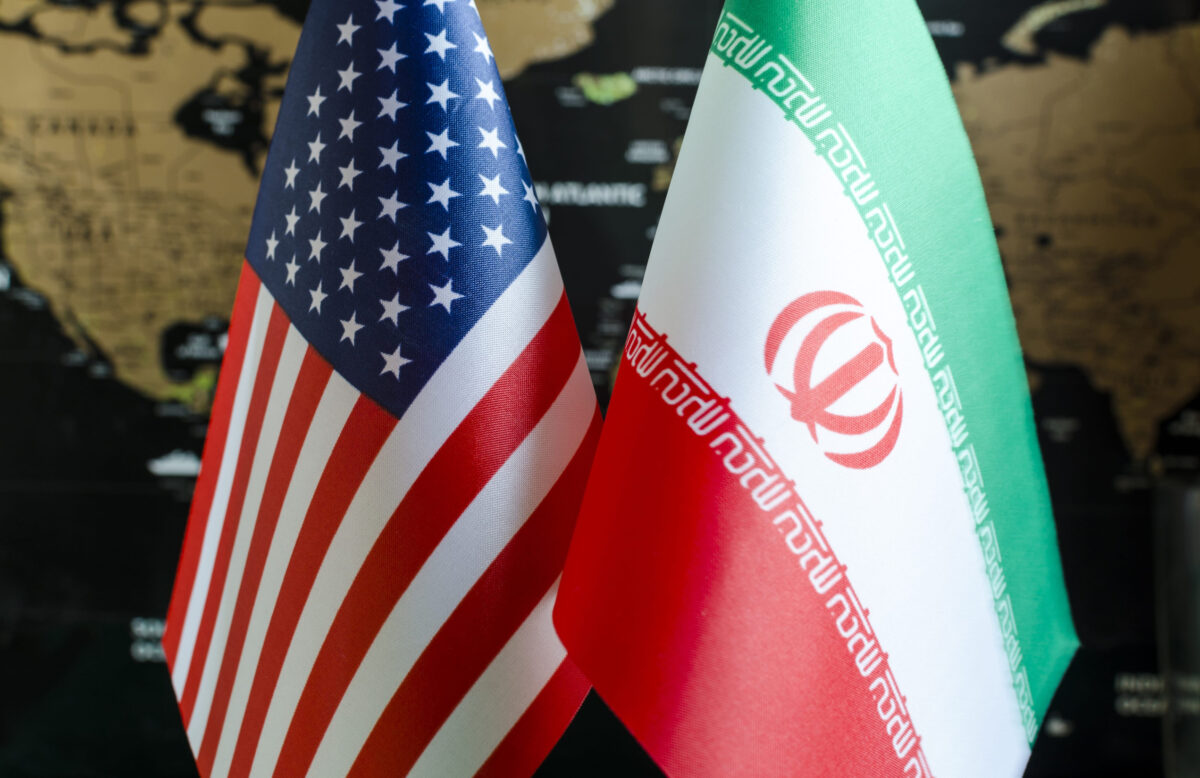
After days of missiles, military operations, and growing fears of a wider Middle East conflict, the battlefield has gone unusually quiet.
The United States has paused strikes against Iran for a third night as President Donald Trump considers whether to continue military action or move toward diplomatic negotiations. The pause comes as officials warn about the challenges of sustaining the campaign and regional leaders push for efforts to prevent further escalation.
The temporary halt has not ended the conflict, but it has created a narrow opening for discussions involving the United States, Iran, and regional partners.
For millions watching the crisis unfold, the biggest question now is whether the silence marks the beginning of negotiations or simply a break before more fighting.
Military Concerns Shape Washington’s Next Move
The decision to pause strikes came after U.S. military officials raised concerns about the future direction of the campaign.
According to reports, senior commanders advised the Trump administration that the operation had reached a point where additional attacks could produce fewer gains while increasing pressure on military resources.
Adm. Bradley Cooper, the top U.S. military commander in the region, reportedly told Trump that the military campaign had reached the limits of its effectiveness and that the list of prepared targets was becoming exhausted.
The discussions also included concerns about weapons supplies needed for a longer operation, including important defensive and offensive systems.
The warnings created a difficult decision for the administration: continue a military campaign that had already delivered significant strikes, or create space for diplomacy to take hold.
Despite the pause, U.S. officials have stressed that military options remain available.
U.S. Ambassador to the United Nations Mike Waltz said the administration was not ruling out future action.
“I wouldn’t go that far at all,” Waltz said when asked whether additional strikes had been ruled out. He added that the president was keeping all options available.
Iran Halts Retaliatory Actions as Regional Diplomacy Grows
Iran has also indicated that it paused retaliatory operations after the United States stopped its attacks.
Iranian army spokesperson Mohammad Akraminia said Tehran’s response had been connected to U.S. military actions.
“These attacks continued until two nights ago, but over the past two nights the Americans have stopped their attacks,” Akraminia said. “Our strategy has essentially been retaliatory, we have also halted our retaliatory operations.”
The pause has opened the door for diplomatic conversations involving regional governments.
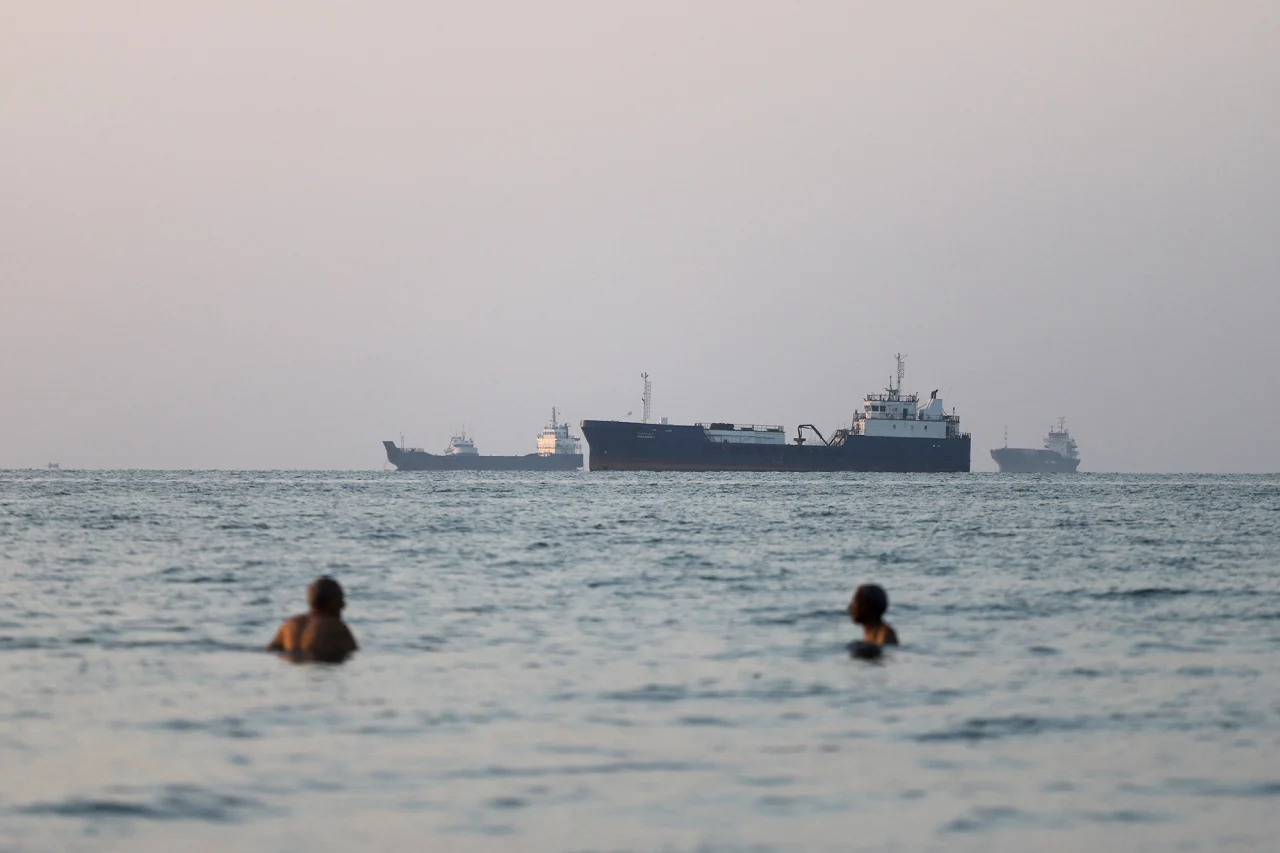
According to reports, Iran and Oman have been involved in discussions aimed at reducing tensions, particularly around the Strait of Hormuz, one of the world’s most important shipping routes.
The waterway has become a major focus because disruptions there could affect international energy markets and global trade.
Iranian Foreign Ministry spokesperson Esmail Baghaei said mediators were working to prevent the situation from escalating.
“Mediators are working and trying to prevent tension from escalating,” Baghaei said.
The diplomatic efforts have also involved countries seeking stability in the region, including Qatar and Pakistan, which have encouraged dialogue and efforts to avoid a wider conflict.
The Strait of Hormuz Becomes the Center of Global Attention

While military strikes have dominated headlines, the Strait of Hormuz has become one of the most important pressure points in the crisis.
The narrow waterway connects the Persian Gulf with international shipping routes and plays a major role in global energy transportation.
Any prolonged disruption could create economic consequences far beyond the Middle East.
The uncertainty surrounding the strait has already affected financial markets. Oil prices declined as investors reacted to signs that immediate tensions could be easing.
For businesses, governments, and ordinary consumers around the world, the situation highlights how a conflict in one region can quickly influence global energy costs and economic stability.
Trump and Netanyahu Face a Critical Moment
The pause comes as Israeli Prime Minister Benjamin Netanyahu prepares to meet with Trump in Washington.
Netanyahu has pushed for continued pressure on Iran, particularly regarding concerns about its nuclear program and missile capabilities.
The meeting is expected to take place at a sensitive point, with the U.S. administration balancing its relationship with Israel, military priorities, and diplomatic efforts.
The conflict has already reshaped regional security discussions.
Officials from the United States and allied countries have been examining options to protect shipping routes and reduce the possibility of further attacks.

A Temporary Pause, Not a Final Resolution
Despite the diplomatic activity, the conflict remains unresolved.
No permanent ceasefire has been announced, and both sides continue to maintain their positions.
The pause has created a moment where negotiations may have more room to develop, but the situation remains fragile.
For families across the region, the break from fighting offers a brief sense of relief. For governments around the world, it represents a critical test of whether diplomacy can prevent another major escalation.
The next decisions from Washington and Tehran could determine whether this becomes a turning point or simply another pause in a conflict that has already changed the region’s security landscape.