Apalachee High School Shooter Colt Gray Sentenced to Life Without Parole After Georgia Attack That Took Four Lives
A Georgia courtroom delivered a life-changing sentence for Colt Gray, the teenager convicted in the deadly Apalachee High School shooting that killed four people and injured others. The 16-year-old will spend the rest of his life behind bars without the possibility of parole, closing one chapter in a case that devastated a small Georgia community and reignited a national debate over school violence, juvenile punishment and accountability.
The sentence brought a measure of finality for the families of the victims, but it could not undo the damage left behind after a day of violence transformed Apalachee High School into the center of a national tragedy. As students, teachers, and families continue moving forward, the case remains a painful reminder of the lasting consequences of school shootings and the difficult questions that follow them.
Colt Gray Receives Life Without Parole Sentence for Apalachee Shooting
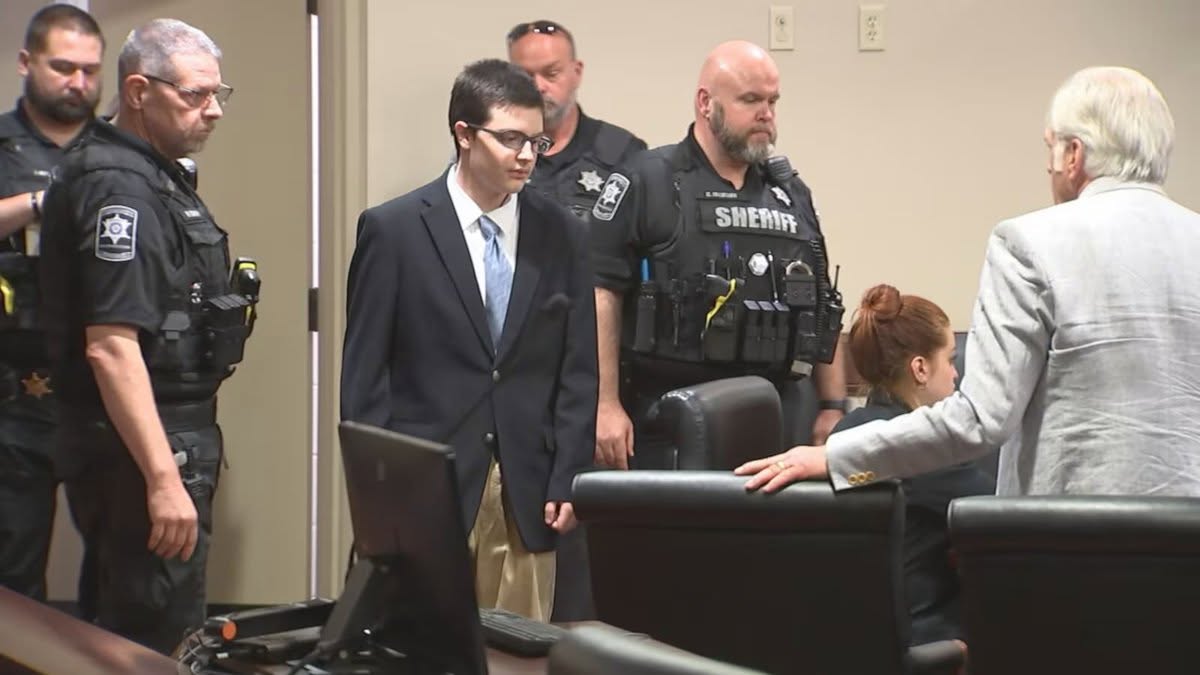
Barrow County Superior Court Judge Nicholas Primm sentenced Colt Gray to life in prison without the possibility of parole following the deadly attack at Apalachee High School in Winder, Georgia. The sentence means Gray will never be released from prison and will spend his remaining years incarcerated.
The ruling represented the harshest possible outcome available in the case while also highlighting the complexity of sentencing a teenager for a crime of such magnitude. Gray was only 16 years old when the shooting occurred, creating a legal and moral debate over how the justice system should handle young offenders accused of committing devastating acts of violence.
Four Victims Lost Their Lives Inside a Place Meant for Learning
The Apalachee High School shooting took the lives of four members of the school community, including two students and two teachers. Their deaths changed the lives of families who expected ordinary school days but instead faced unimaginable loss.
For those who knew the victims, the tragedy was not defined only by the shooting itself but by the futures that disappeared. Family celebrations, personal achievements, and everyday moments that should have continued became memories instead, leaving a community mourning people who were deeply valued.
A Small Georgia Town Was Forced Into a National Tragedy
Winder, Georgia, became the focus of national attention after the attack at Apalachee High School. The community, known for its close connections among residents, suddenly faced the challenge of responding to a tragedy that affected students, educators, parents, and first responders.
In the aftermath, the community turned toward supporting survivors, honoring the victims and helping students return to a sense of normal life. But for many families, returning to normal was impossible because the school where they spent so much time had become connected forever to loss.
The Case Raises Difficult Questions About Juvenile Justice
Gray’s sentence has renewed debate about whether teenagers should receive life without parole sentences. Supporters argue that the severity of the crime and the number of victims justified the punishment, regardless of the defendant’s age.
Opponents of juvenile life sentences argue that teenagers have different levels of development and that the justice system should consider the possibility of rehabilitation. The Apalachee case highlights the difficult balance between holding young offenders accountable and recognizing that adolescence is different from adulthood.
Colt Gray’s Age Became a Central Part of the Legal Debate
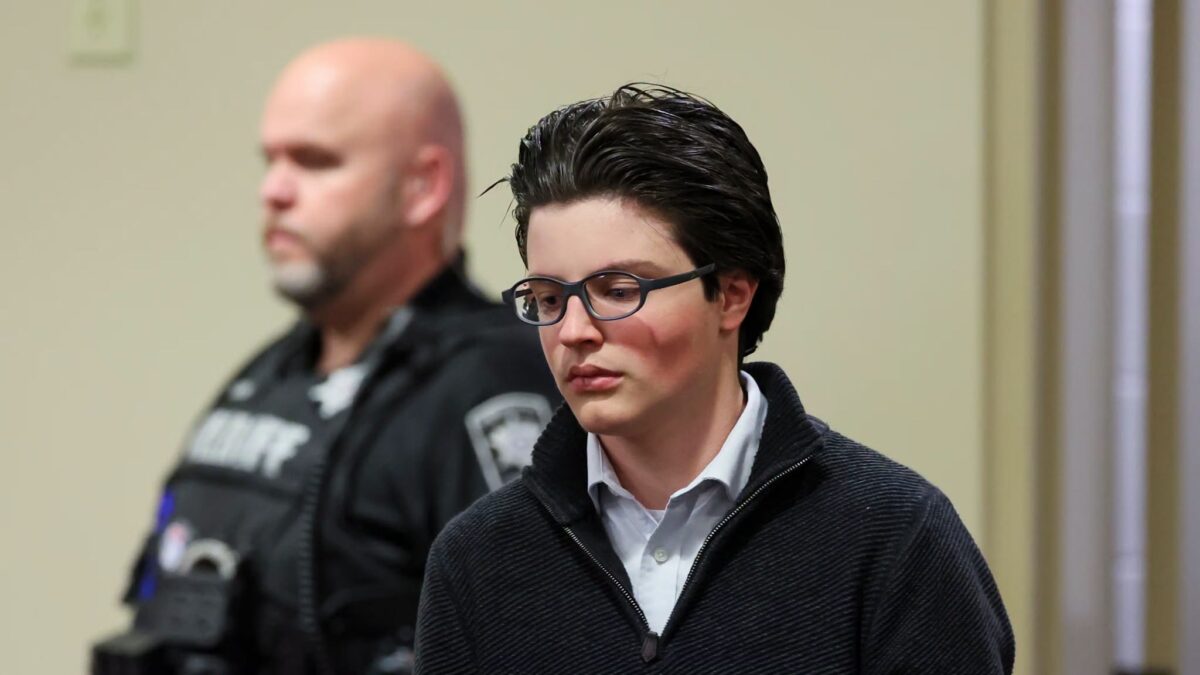
The fact that Gray was 16 when the attack occurred became one of the most discussed aspects of the case. Courts across the country have increasingly examined how age affects responsibility, decision-making and sentencing.
However, prosecutors argued that the seriousness of the attack outweighed arguments for leniency. The sentence reflects the court’s conclusion that the nature of the crime required permanent incarceration despite Gray’s age at the time.
Investigators Examined What Happened Before the Shooting
Like many school shooting investigations, the Apalachee case involved questions about what happened before the attack. Authorities examined the suspect’s background, possible warning signs, and circumstances surrounding the events leading up to the shooting.
These investigations often serve two purposes: determining responsibility and identifying lessons that could help prevent future tragedies. Communities affected by school violence frequently seek answers about whether earlier intervention could have changed the outcome.
The Attack Sparked New Questions About School Safety
The shooting renewed discussions about how schools prepare for threats and protect students and staff. Across the country, schools continue reviewing security procedures, emergency response plans and communication systems after violent incidents.
However, school safety experts often emphasize that preventing violence requires more than physical security measures. Identifying warning signs, improving access to support services and encouraging communication between students, families and authorities remain key parts of prevention efforts.
The Victims’ Families Face a Lifetime Beyond the Courtroom
While the sentencing provides a legal conclusion, it does not erase the pain experienced by the victims’ families. Many families affected by violent crimes describe the aftermath as a lifelong process of grief, remembrance and adjustment.
Court proceedings eventually end, but the emotional impact continues. Families often carry the memory of their loved ones through anniversaries, community events and efforts to honor the lives that were taken.
Apalachee Teachers Remembered for Their Role in Students’ Lives
The loss of teachers in school shootings often affects communities in a unique way because educators are viewed as trusted figures who guide and protect students every day. Their absence leaves a lasting impact on colleagues, students, and families.
Beyond the tragedy itself, many communities focus on remembering who victims were before the event. Their careers, relationships, and contributions become part of the story that continues after the headlines fade.
The Case Reflects America’s Ongoing School Violence Crisis
The Apalachee shooting became part of a larger national conversation about school violence and public safety. Each attack leads to renewed discussions about prevention, firearms, mental health resources and the responsibilities of families, schools and communities.
The challenge remains finding solutions that address risks before violence occurs. While there is broad agreement that protecting students is essential, debates continue over the most effective ways to achieve that goal.
What Happens After Colt Gray’s Sentencing
Although Gray’s sentence has been decided, the broader impact of the case will continue for years. The victims’ families will continue grieving, survivors will continue healing, and the Apalachee community will continue rebuilding.
The case will also remain part of national discussions about juvenile sentencing and school safety. It represents a difficult intersection of justice, accountability, and the question of how society responds when a teenager commits an act of devastating violence.