Fatal Fox River Boat Crash Raises Questions Over Alcohol, Speed and Safety After Woman Dies in Illinois Collision
A summer day on the Fox River turned into a devastating tragedy after a boating collision left a female passenger dead and placed a 45-year-old Illinois man behind bars facing serious criminal charges. Prosecutors allege that alcohol, extreme speed, and a decision to operate a boat inside a restricted no-wake area played a role in the crash.
Richard Stevenson is being held without release after a judge determined that his return to the community could create a serious safety concern. According to court documents, investigators allege Stevenson was operating his boat at a high rate of speed before striking another vessel, causing a fatal impact that killed a passenger identified in court records as M.J.
The case has drawn attention not only because of the severity of the crash but also because prosecutors say multiple factors contributed to the deadly collision. The allegations have placed a spotlight on boating safety rules, impaired operation, and the dangers that can arise when recreational activities turn into life-changing moments.
Fox River Boating Accident Investigation Centers on Alleged High-Speed Collision

The deadly crash happened on the Fox River in Illinois, where authorities say Stevenson’s boat collided with another watercraft during a weekend outing. Court records state that a witness reported seeing Stevenson’s vessel traveling “at full throttle” as it entered a designated no-wake area.
Investigators allege the boat continued moving at a dangerous speed before striking another vessel. Following the collision, court documents indicate Stevenson’s boat traveled toward the western bank of the river and crashed into timber.
The female victim, identified as M.J. in court documents, was a passenger on the second boat involved in the crash. Authorities said the collision caused fatal injuries, prompting a major emergency response and criminal investigation.
The investigation remains focused on reconstructing the moments before impact, including the speed of the vessel, the location of both boats, and the decisions made by the operator before the crash occurred.
Why the Alleged 80 MPH Speed Became a Major Focus in the Case
One of the most significant details in the court filings is the allegation that Stevenson was operating the boat at approximately 80 mph before the collision.
Prosecutors told the court that Stevenson was traveling through a no-wake zone. In this area, boat operators are expected to slow down to protect other vessels, shoreline areas, and people nearby. These restrictions exist because reduced speeds provide boaters with more time to react and help prevent dangerous wakes or collisions.
Court documents also allege that a passenger warned Stevenson about his manner of operation before the crash. Prosecutors claim he continued operating the vessel despite those warnings.
The allegations have made speed a central issue in the case as investigators work to determine how quickly the events unfolded and whether the alleged operating conditions contributed directly to the deadly outcome.
How the Fatal Fox River Collision Allegedly Unfolded
The timeline outlined in court documents provides investigators with a picture of the events leading up to the crash.
According to court records, Stevenson allegedly remained at the scene after the crash. He was later transported to a hospital, where authorities obtained a medical blood sample that prosecutors say showed significant alcohol impairment.
The investigation now involves witness statements, physical evidence from the vessels, and information collected from emergency crews who responded to the river.
Alcohol Allegations Become Central to Illinois Boating Crash Case
Authorities allege that alcohol was a major factor in the collision. Court documents state that a medical blood draw showed Stevenson had a blood alcohol concentration of 0.2 after the crash.
Illinois law sets the legal limit for operating a vehicle at 0.08. Prosecutors argue that the reported blood alcohol level, combined with the alleged speed and location of the crash, created an especially dangerous situation.
Investigators also allege Stevenson told a witness after the collision that he had been drinking and that he was operating the boat.
Alcohol-related boating crashes remain a major safety concern because impairment can affect reaction time, judgment, coordination, and the ability to respond quickly to changing conditions on the water.
Judge Keeps Richard Stevenson Behind Bars After Reviewing Safety Concerns
A judge ordered Stevenson to remain in custody without release following a detention hearing. The decision came after prosecutors presented evidence they said showed a serious threat to public safety.
Judge Cynthia Lamb wrote in court documents that Stevenson allegedly operated the boat while intoxicated, traveled at a high speed through a no-wake area, and continued despite warnings from a passenger.
The judge cited the circumstances of the crash and Stevenson’s background as factors considered in the detention decision.
Stevenson faces multiple charges, including aggravated DUI and reckless homicide in a boating accident. The charges are allegations, and he remains presumed innocent unless proven guilty through the court process.
Previous DUI and Reckless Driving History Cited by Prosecutors
Court records show prosecutors also highlighted Stevenson’s previous driving history during the detention hearing.
According to court documents, Stevenson has faced multiple prior driving-related cases, including four misdemeanor speeding charges, three reckless driving cases, and two DUI convictions.
The previous cases became part of prosecutors’ argument against releasing him while the current criminal case moves forward.
However, prior convictions do not determine the outcome of the current charges. The court will ultimately consider evidence presented during legal proceedings related to the Fox River crash.
First Responders Conduct River Search After Deadly Boat Collision
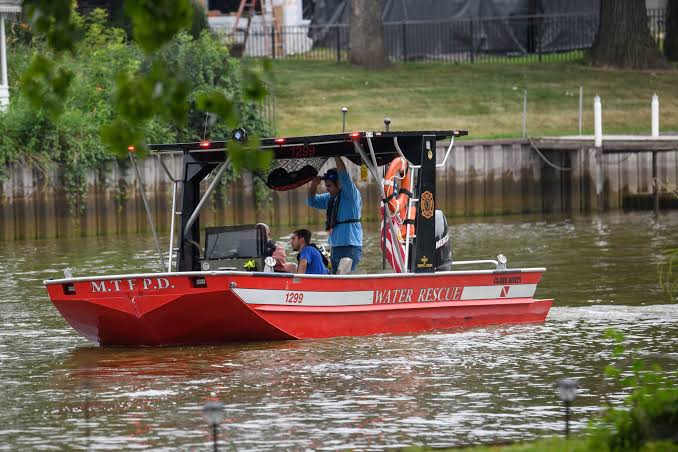
Emergency crews from the McHenry Township Fire Protection District responded after the crash and conducted in-water search operations as part of the emergency response.
Officials used specialized equipment, including side-scan sonar technology, to examine the river environment and collect information related to the collision.
Investigating boating crashes can be complex because authorities must consider factors such as vessel position, speed, water conditions, visibility, and mechanical evidence.
The response effort became an important part of documenting the scene and supporting the ongoing investigation.
Fatal Fox River Crash Highlights Summer Boating Safety Risks
The crash has renewed attention on the risks associated with impaired and unsafe boating practices during the busy summer season.
Recreational waterways often become crowded with families, fishing boats, personal watercraft, and other vessels. Safety officials consistently emphasize the importance of following speed restrictions, avoiding alcohol while operating boats, and remaining aware of surrounding traffic.
Unlike many roadway crashes, boating accidents can happen in open environments where stopping distances, visibility, and water movement create additional challenges.
The Fox River collision serves as a reminder that decisions made behind the controls of a boat can have consequences that extend far beyond the operator.
What Happens Next in the Illinois Boating Accident Case
Stevenson is scheduled to appear in court on Aug. 5 as the legal process continues.
Prosecutors will continue presenting evidence related to the allegations, while the defense will have an opportunity to respond. Investigators are expected to continue reviewing evidence collected from the crash scene and witness accounts.
For the victim’s family and those affected by the collision, the court proceedings represent the next stage in seeking answers about what happened on the Fox River.
The case remains an active criminal matter, and the outcome will depend on the evidence presented in court.