Lindsey Graham Funeral Reveals the New Reality of Trump’s Foreign Policy Power
The Lindsey Graham funeral became far more than a farewell ceremony for a longtime senator. It was a rare moment when Washington’s political struggles, global conflicts, and the future direction of American foreign policy all appeared in the same room. As President Donald Trump, Ukrainian President Volodymyr Zelenskyy and Israeli Prime Minister Benjamin Netanyahu gathered in Washington, the event revealed a deeper shift: international leaders are increasingly navigating a foreign policy landscape shaped by Trump’s personal decisions.
The ceremony honored Lindsey Graham’s decades of public service, but it also highlighted the difficult question facing Washington after his death. Who replaces the senator’s unique role as a bridge between Congress, the White House and America’s closest allies? The answer may shape how the United States handles major challenges involving Ukraine, Israel, Russia and Iran.
Graham built his career by creating connections across political divides. He often operated between traditional Republican foreign policy advocates and Trump’s “America First” movement. His ability to maintain influence across competing factions made him one of Washington’s most unusual political figures.
The Lindsey Graham funeral showed the strength of those relationships, but it also exposed their weakness. A system built around personal connections can struggle when one of its key architects disappears.
A Washington Farewell Became a Test of American Influence

The scene inside Washington National Cathedral suggested unity. Lawmakers, foreign leaders and political rivals gathered to remember a senator known for his ability to maintain conversations across disagreements. Yet beneath the ceremony was a larger story about how American power now operates.
Graham’s influence came from his ability to move between different centers of power. He maintained strong relationships with Republican lawmakers, military leaders, foreign officials and presidents. That network allowed him to advocate for policies while still maintaining access to people with opposing views.
Historically, American foreign policy has depended heavily on institutions. The State Department, Congress, intelligence agencies and military alliances traditionally shaped decisions through established processes. However, the modern political environment has placed greater emphasis on presidential relationships and direct negotiations.
The Lindsey Graham funeral highlighted this transformation. The presence of Zelenskyy and Netanyahu showed how much international diplomacy now depends on access to the president. Their visits demonstrated that relationships with Washington remain essential, but the path to influence has become increasingly concentrated around the White House.
That reality creates both opportunities and challenges. Foreign leaders can sometimes achieve faster results through direct engagement with the president. However, they must also manage uncertainty when policies depend heavily on one leader’s priorities and decisions.
The Political Bridge Washington May Struggle to Replace
Lindsey Graham’s most important role was not simply his position in the Senate. It was his ability to translate between political worlds that often misunderstood each other.
For years, Graham supported a traditional Republican approach that emphasized military strength, international alliances and American involvement overseas. At the same time, he developed a close relationship with Trump, a president who often challenged traditional assumptions about foreign policy.
That combination made Graham a rare figure in Washington. He could support Trump publicly while also encouraging stronger action on issues such as Ukraine and Russia. He could defend the administration while maintaining relationships with lawmakers who disagreed with Trump’s approach.
The challenge after the Lindsey Graham funeral is whether another political figure can perform the same balancing act. Washington has many experienced lawmakers, but few have developed Graham’s combination of international relationships and direct access to the president.
History offers similar examples. Figures such as Henry Kissinger played influential roles by connecting political leadership with international diplomacy. Graham’s approach was different, but the principle was similar: influence often comes from the ability to communicate with multiple sides simultaneously.
Without that kind of intermediary, disagreements can become harder to manage. Foreign leaders may have fewer channels for persuasion, and presidents may receive fewer internal arguments challenging their assumptions.
Trump’s Foreign Policy World Moves Around One Central Figure
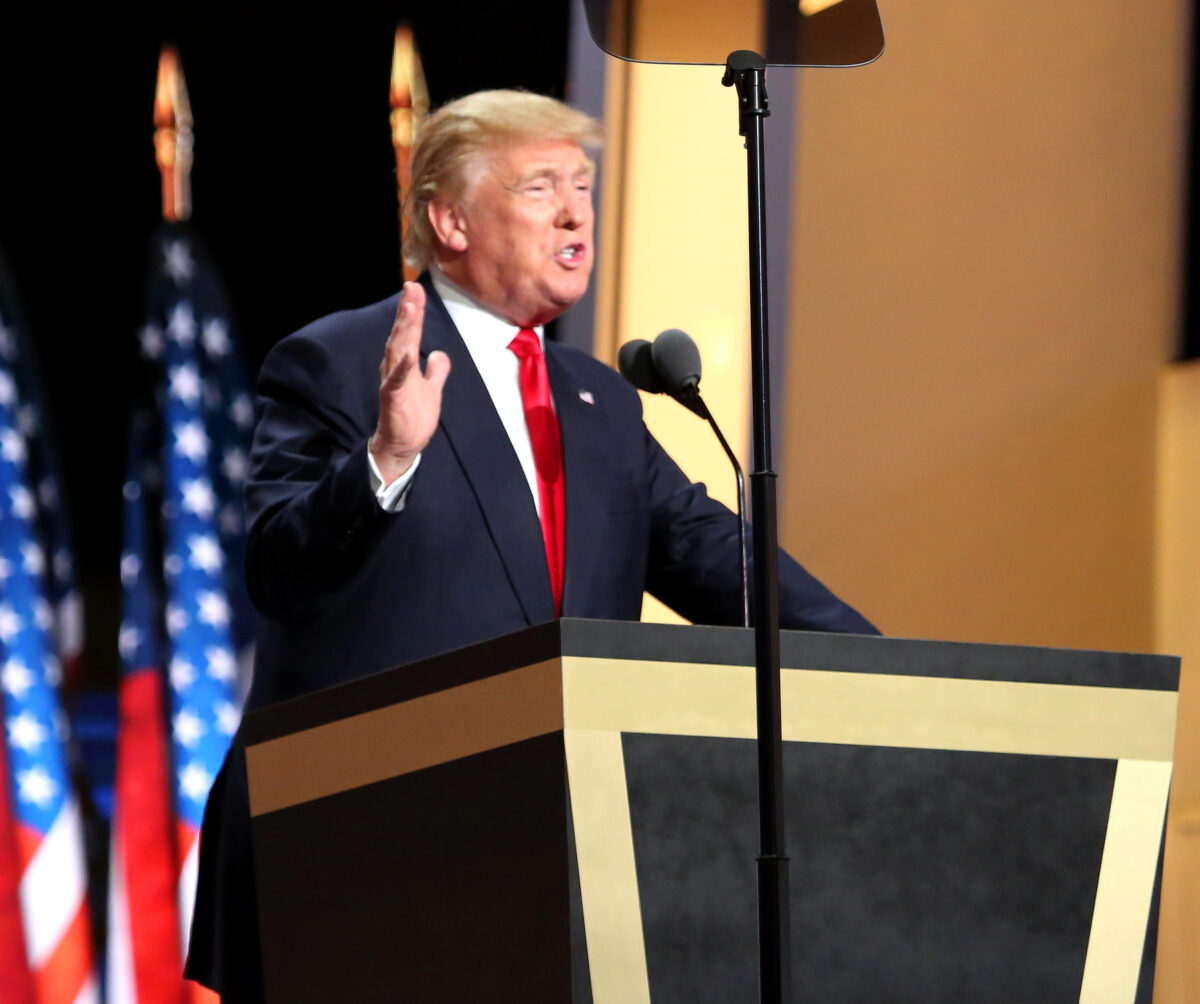
The meetings surrounding Lindsey Graham’s funeral demonstrated a defining feature of Trump’s presidency: major foreign policy decisions often hinge on his personal judgment.
Trump’s approach differs from traditional diplomatic models. Instead of relying only on long-term strategic commitments, he frequently emphasizes negotiations, leverage, and personal relationships with foreign leaders.
This style has supporters who argue that direct presidential involvement can produce faster results. They point to moments when personal diplomacy created openings that formal negotiations struggled to achieve.
Critics argue that this approach can create unpredictability. Allies may question whether long-standing commitments will remain consistent. Adversaries may attempt to influence negotiations through personal relationships rather than formal diplomatic channels.
The meetings with Zelenskyy and Netanyahu reflected this tension. Both leaders needed Trump’s attention, but they arrived with different goals. Ukraine wanted continued support against Russia, while Israel sought coordination on security issues involving Iran and the wider Middle East.
The result was a clear illustration of modern American diplomacy. The same president can become the key decision-maker for multiple global conflicts simultaneously, leaving allies competing for influence within a single political center.
Zelenskyy’s Washington Challenge Goes Beyond Weapons
For Ukrainian President Volodymyr Zelenskyy, the Washington visit represented an effort to secure both immediate assistance and long-term cooperation.
Ukraine’s primary concern remains military support, especially air defense capabilities. Russian missile and drone attacks have increased the importance of systems designed to protect cities, infrastructure and military positions.
Discussions about possible Patriot missile production agreements reflected Ukraine’s desire to build a more sustainable defense relationship with the United States. Domestic production could eventually strengthen Ukraine’s military position, but manufacturing complex defense systems requires time, investment and technical coordination.
The immediate challenge remains different. Ukraine needs resources now, while long-term production plans may take years to develop.
Graham had been one of Ukraine’s strongest supporters among Republican lawmakers. His advocacy helped maintain attention on Kyiv’s needs during a period when some Republicans questioned continued American involvement.
The funeral of Lindsey Graham therefore carried special significance for Ukraine. It marked the loss of a political ally at a time when Kyiv continues to seek support in an American political environment that has become more divided over foreign assistance.
Netanyahu Faces the Challenge of Maintaining Influence
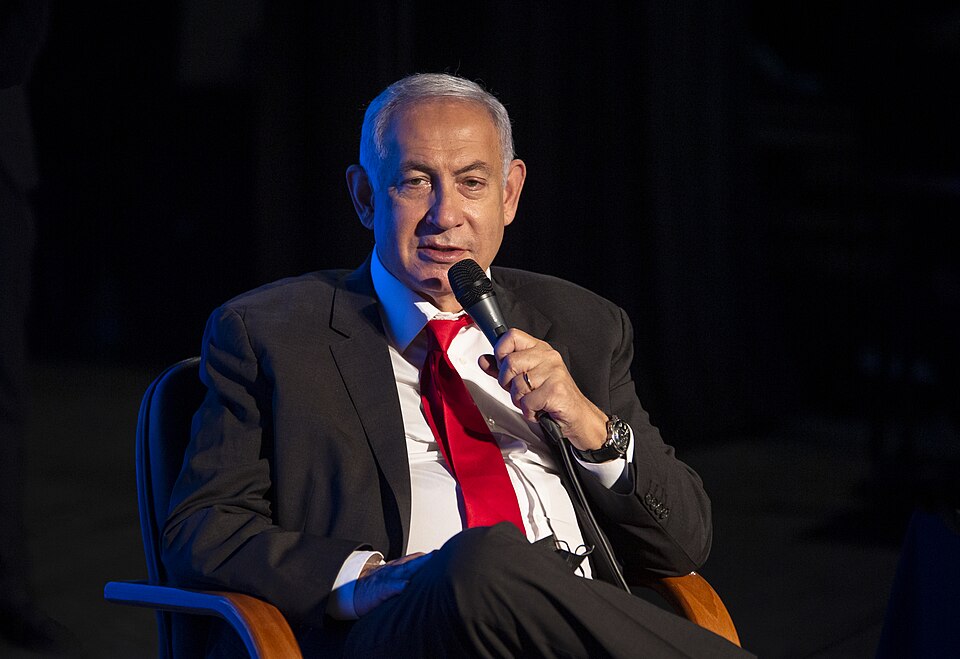
Israeli Prime Minister Benjamin Netanyahu arrived in Washington facing a different diplomatic challenge. Israel’s relationship with the United States remains one of the country’s most important international partnerships, but disagreements over strategy and timing have created new tensions.
The central issue involved Iran. Israel has consistently warned about threats linked to Iran’s nuclear ambitions and regional influence. Trump has also expressed concerns about Iran but has shown caution about becoming involved in prolonged military conflicts.
That difference creates a complicated relationship. Both leaders share strategic interests, but they may approach risks differently.
The meeting showed the importance of personal relationships in modern diplomacy. Netanyahu has long emphasized his ability to work closely with American presidents. However, even strong relationships require careful management when leaders have different priorities.
The funeral for Lindsey Graham brought attention to this reality. Support from Washington remains valuable, but even close allies must navigate an unpredictable political environment.
Graham’s Final Policy Fight Raises a Bigger Question
One of Graham’s lasting priorities was increasing pressure on Russia through sanctions. During the period surrounding his funeral, lawmakers advanced legislation aimed at strengthening economic tools against Moscow.
The effort reflected Graham’s belief that economic pressure could influence the behavior of American adversaries. Sanctions have historically been used to punish governments, limit resources, and create incentives for negotiations.
However, sanctions also reveal the limits of congressional power. Lawmakers can create legal authorities, but presidents determine how aggressively those tools are used.
That creates uncertainty around Graham’s final policy goals. A bill bearing his name may reflect his vision, but its impact depends on future decisions by the White House.
The situation reflects a broader challenge in American politics. Congress can establish policy frameworks, but presidential priorities often determine whether those frameworks translate into meaningful action.
The Graham Legacy Reveals a Republican Party in Transition
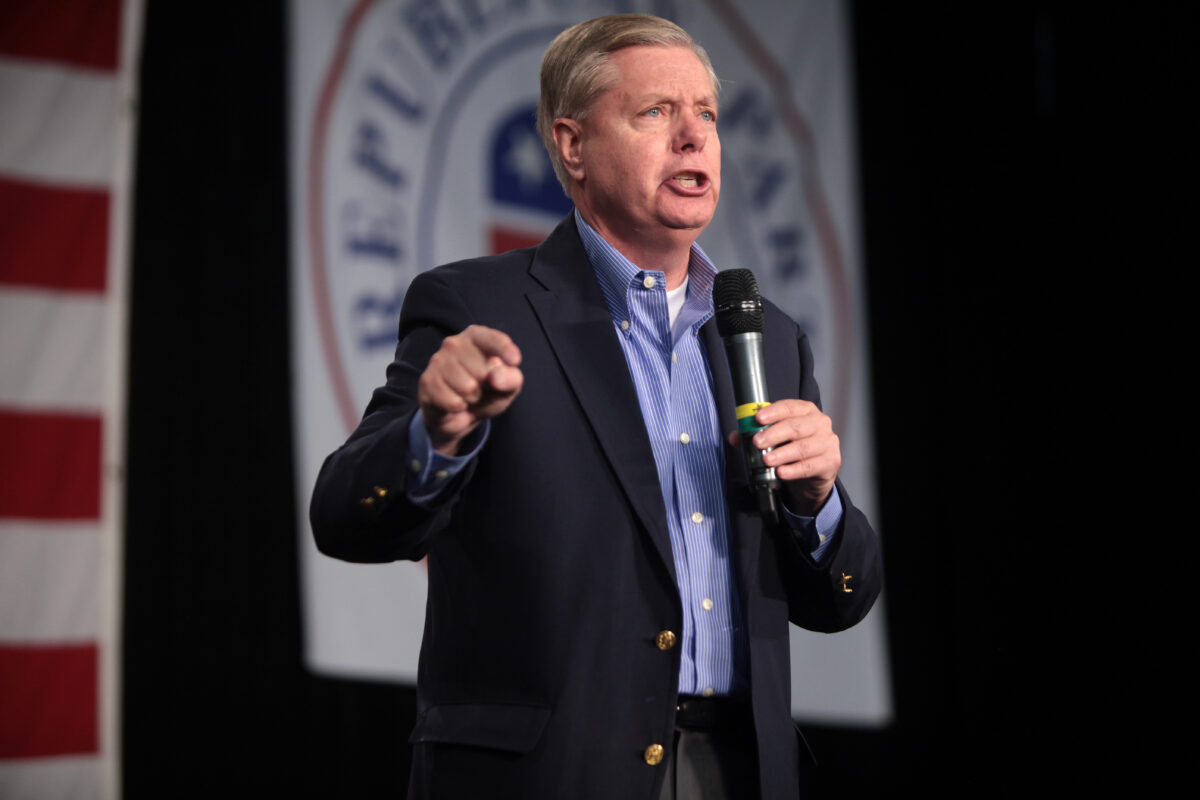
The debate surrounding Lindsey Graham’s career reflects a larger transformation inside the Republican Party.
For decades, many Republican leaders emphasized global engagement, strong alliances and American leadership abroad. Graham represented that tradition through his support for NATO, Ukraine and a strong military posture.
Trump’s movement introduced a different emphasis. It questioned foreign commitments, focused on domestic priorities and demanded clearer benefits from international relationships.
Graham’s political strategy was to operate between those two approaches. He believed he could influence Trump while maintaining support for traditional Republican foreign policy goals.
Whether that strategy succeeded remains debated. Supporters argue he preserved important relationships. Critics argue that he helped strengthen a political system in which personal loyalty became more important than institutional consistency.
The Lindsey Graham funeral brought that contradiction into focus. His legacy represents both continuity and change within American politics.
The Final Message From Graham’s Last Washington Gathering
The significance of the Lindsey Graham funeral extends beyond the ceremony itself. It revealed a Washington facing a difficult transition.
The United States continues to address major global challenges. Ukraine continues its fight against Russia. Israel faces regional security concerns. Congress debates how aggressively America should use economic and military power.
But the political structure managing those challenges has changed.
Graham spent years building relationships that allowed him to influence debates, connect allies and create conversations between people who disagreed. His final gathering demonstrated how valuable those connections were.
Yet it also raised a lasting question: what happens when the bridge disappears?
The answer will shape more than Graham’s legacy. It may determine how effectively Washington handles the conflicts and alliances defining the next era of American leadership. The ceremony ended with remembrance, but the political questions surrounding it remain unresolved.