U.S. Ban on Foreign-Made Humanoid Robots Exposes the Battle for Control of the Next Technology Era
A robot that can walk, see, communicate, and perform human-like tasks may soon become as common as smartphones and computers. But before humanoid robots become part of everyday life, the U.S. ban on foreign-made humanoid robots has placed a spotlight on a much larger question: who will control the machines that could reshape industries, workplaces and national security?
The Federal Communications Commission’s decision to restrict new foreign-produced humanoid robots, quadruped robots and certain connected power equipment reflects growing concerns over cybersecurity, supply-chain vulnerabilities and technological competition. While the policy applies broadly to foreign-made devices, its biggest impact is expected to be felt by Chinese robotics companies that currently dominate much of the global humanoid robot market.
The decision marks another major step in the expanding technology rivalry between the United States and China. The competition that once centered on semiconductors and telecommunications equipment has now moved into the physical world, where intelligent machines could influence manufacturing, defense, energy systems and the future of work.
The Robot Threat Washington Sees Beyond the Machine
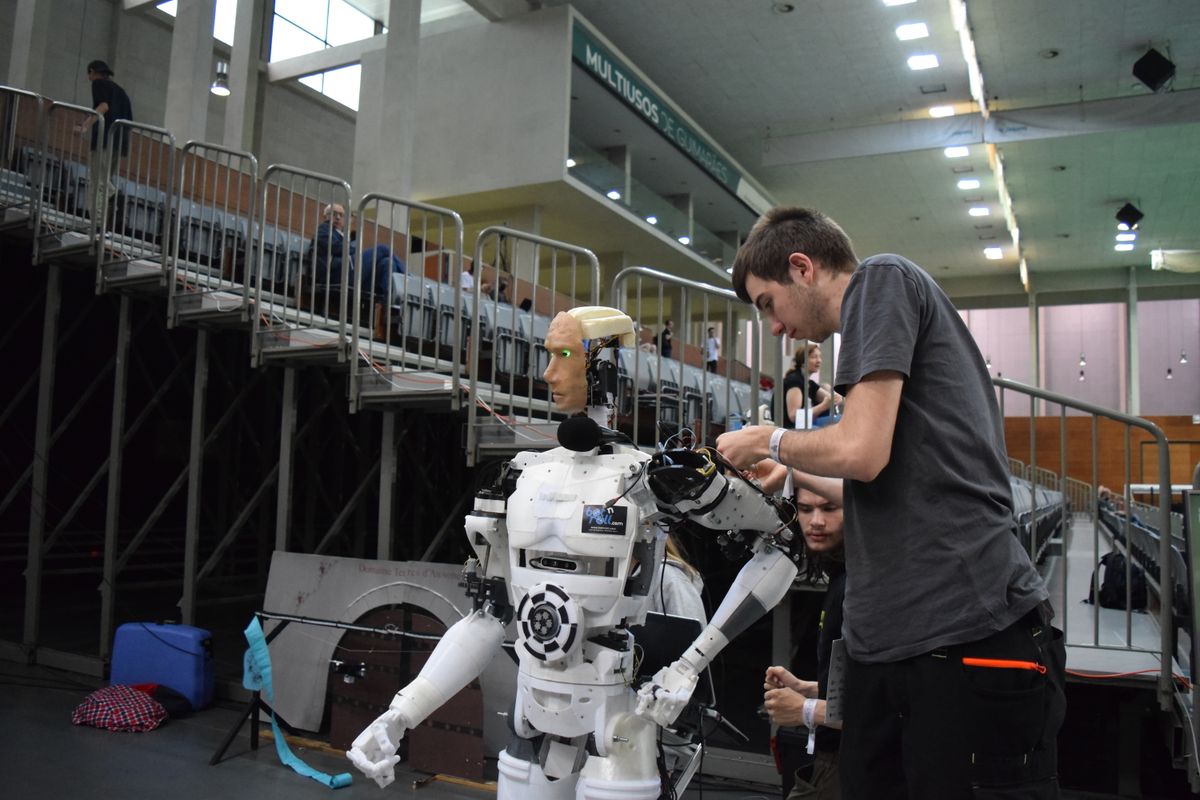
The rise of humanoid robots has created a new type of security debate. Unlike traditional industrial equipment, modern robots combine artificial intelligence, cameras, sensors and internet connectivity, allowing them to collect information and interact with their surroundings.
The concern behind the U.S. ban on foreign-made humanoid robots is not simply about where a machine is assembled. Officials are focused on what these connected devices can access, what data they can collect, and whether outside actors could exploit their systems.
A humanoid robot operating inside a factory could potentially gather information about production methods, facility layouts and business operations. A robot placed in a research environment could capture sensitive information through cameras and sensors. These possibilities have pushed governments to treat advanced robotics as more than a commercial product.
The security discussion represents a shift from traditional cybersecurity concerns. For decades, officials worried about attacks on computers and networks. The next challenge involves machines that can move through physical spaces while remaining connected to digital systems.
The FCC has argued that vulnerabilities in advanced robotic platforms could create risks if unauthorized individuals gained access to their software or communication systems. The concern is that a cyberattack involving a mobile robot could affect both information security and physical safety.
This fear explains why the government has focused on humanoid robots and quadruped robots rather than simple automated equipment. A stationary industrial arm performing a fixed task presents different risks compared with a mobile machine that can navigate buildings and interact with people.
China’s Robot Advantage Reveals America’s Manufacturing Challenge
The U.S. ban on foreign-made humanoid robots comes at a moment when China has built a significant advantage in robotics manufacturing. Chinese companies have invested heavily in automation, artificial intelligence, and advanced manufacturing infrastructure.
Industry analysts have estimated that China accounts for a large majority of global humanoid robot deployments. Companies such as Unitree and AGIBOT have expanded production quickly, while American companies continue working to scale their own commercial platforms.
The difference is not only about innovation. It is about industrial capacity. China has spent decades developing supply chains for electronics, batteries, motors and mechanical components that are essential for producing robots at large volumes.
The United States remains highly competitive in areas such as artificial intelligence research, semiconductor design and software development. However, building thousands of affordable humanoid robots requires factories, suppliers and manufacturing networks that cannot be created overnight.
This imbalance has become one of the central issues behind the new restrictions. Washington is attempting to protect an emerging domestic robotics industry while reducing dependence on foreign suppliers.
The situation mirrors earlier technology disputes involving semiconductors and telecommunications equipment. In each case, the United States raised concerns about relying on foreign companies for technologies considered strategically important.
The difference with robotics is that these systems could eventually become physical workers. They may operate in warehouses, factories, hospitals and other environments where reliability and security are critical.
The Hidden Cost of Blocking Foreign Robots From U.S. Markets
The U.S. ban on foreign-made humanoid robots could protect American developers from immediate competition, but it may also create challenges for businesses that hoped to adopt affordable robotic systems.
Many startups, universities, and research institutions have relied on foreign-made robots because they provide lower-cost opportunities for experimentation. Restricting access could increase expenses for organizations that want to test new automation technologies.
For large corporations, the impact may be easier to manage. Major manufacturers can invest millions of dollars into developing customized systems. Smaller companies may struggle if fewer affordable options become available.
The debate reflects a familiar tension in technology policy. Protecting domestic industries can encourage local investment, but limiting competition can also increase costs and slow adoption.
Businesses across manufacturing and logistics have shown growing interest in humanoid robots because of labor shortages and the demand for greater efficiency. Companies hope robots can handle repetitive, physically demanding tasks while allowing human workers to focus on more complex responsibilities.
If access to foreign robotic systems becomes more limited, American companies may need to wait longer for affordable alternatives. The question is whether domestic manufacturers can increase production quickly enough to meet demand.
The impact will likely depend on how the approval process develops. If trusted manufacturers can receive authorization through security reviews, the market may continue evolving. If restrictions become broader, the robotics industry could experience a slower transition.
Why Power Inverters Joined the Same Technology Fight
At first glance, power inverters appear unrelated to humanoid robots. One involves advanced machines that resemble humans, while the other involves energy systems. However, both share a common feature: they are connected technologies that can influence important infrastructure.
Power inverters convert direct current electricity into alternating current electricity. They are widely used in solar energy systems, battery storage networks, and other modern energy applications.
The FCC included foreign-made power inverters because officials believe connected energy devices could create cybersecurity concerns. Many modern systems allow remote monitoring, software updates, and digital management.
A compromised inverter could potentially create problems for energy operators. As the United States expands renewable energy infrastructure, protecting connected devices becomes increasingly important.
The issue reflects a broader trend in technology policy. Governments are paying closer attention to products that once appeared harmless but now contain advanced software and network capabilities.
A home energy system, factory robot, or industrial device can all become part of a larger digital ecosystem. Each connected device creates another potential entry point that security officials must evaluate.
The inclusion of power inverters shows that the debate extends beyond robots themselves. It is about controlling the infrastructure that supports a more connected economy.
The Future of Work Is Becoming Part of National Security
The growing attention around humanoid robots is also connected to a deeper social question: how will machines change the workplace?
Companies have explored humanoid robots as possible solutions for manufacturing, warehouse operations, and other industries facing labor challenges. These machines could eventually perform tasks that are dangerous, repetitive, or physically demanding.
The idea has attracted both excitement and concern. Supporters argue that robotics can improve productivity and create new industries. Critics worry about job disruption and the speed at which automation could replace certain roles.
The U.S. ban on foreign-made humanoid robots adds another dimension to that discussion. The country that leads in robotics manufacturing could influence how automation develops globally.
History shows that technological shifts often reshape employment patterns. The Industrial Revolution changed manufacturing. Computers transformed office work. Artificial intelligence is already affecting many professional fields.
Humanoid robots could represent another major transition. Their success will depend not only on technical ability but also on affordability, safety and public acceptance.
The current debate suggests that robotics policy will influence more than technology companies. It could affect workers, businesses and communities adapting to a changing economy.
Washington and Beijing Enter a New Phase of Technology Competition
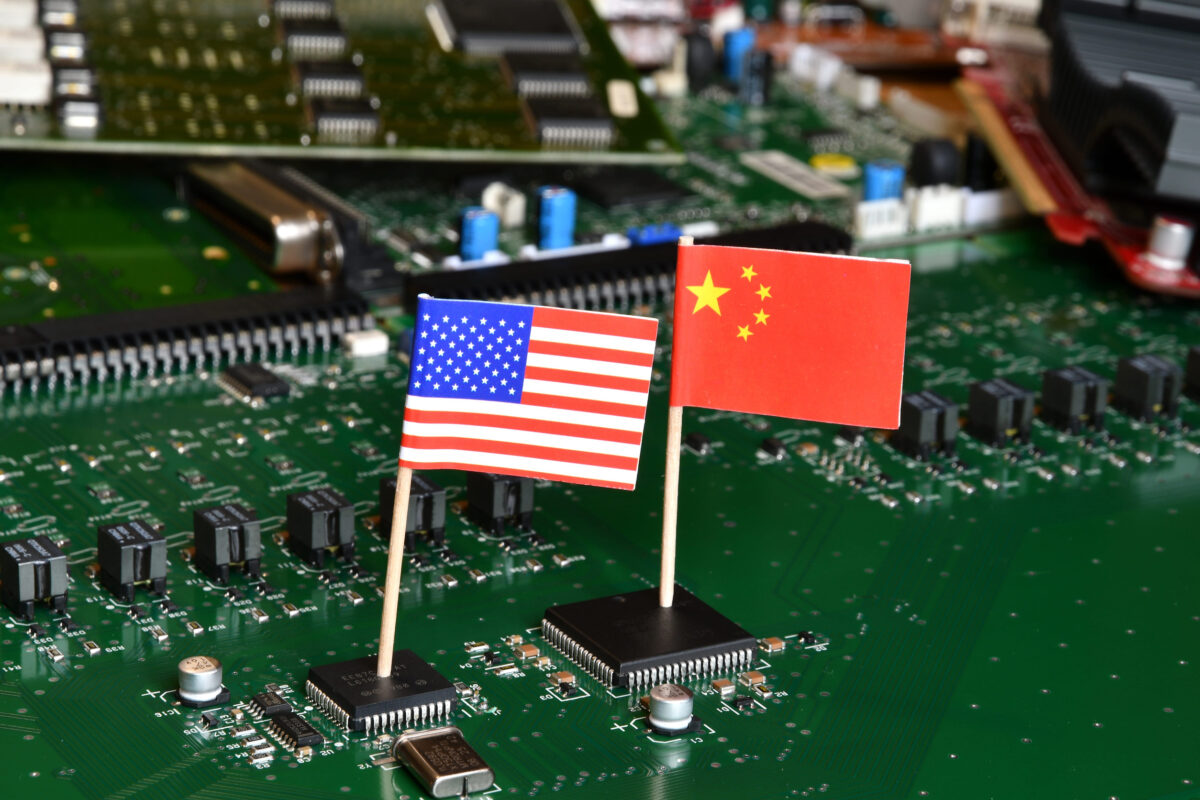
The U.S. ban on foreign-made humanoid robots is part of a wider effort by Washington to reduce dependence on Chinese technology. Previous disputes involved telecommunications networks, drones, artificial intelligence systems and semiconductor exports.
China has argued that restrictions unfairly target its companies and slow global innovation. Beijing has defended its technology industry and described robotics development as an opportunity for economic growth.
The United States views advanced robotics differently. Officials argue that some technologies have both commercial and strategic uses, making security considerations unavoidable.
Humanoid robots represent this dual-use challenge. A machine designed for warehouse work could potentially have applications in security, surveillance, or defense environments.
The competition between the two countries is therefore not only about market share. It is about influence over the technologies that may define the next generation of industry.
Companies operating in both countries now face a more complicated environment. International partnerships may require additional reviews, supply-chain changes and security assessments.
The result could be a gradual separation between American and Chinese technology ecosystems, similar to what has already happened in other strategic industries.
The Robot Race May Be Decided by More Than Artificial Intelligence
The U.S. ban on foreign-made humanoid robots highlights a difficult reality: winning the future robotics race will require more than creating advanced software.
Countries will need manufacturing strength, reliable supply chains and the ability to produce machines at competitive prices. Artificial intelligence may provide the intelligence behind robots, but factories and suppliers will determine how widely those machines can be deployed.
The United States is attempting to strengthen its position by limiting potential risks and encouraging domestic development. China, meanwhile, continues expanding its robotics industry through large-scale manufacturing and investment.
The outcome remains uncertain. Restrictions may give American companies more room to grow, or they may encourage China to become even more independent in robotics development.
The machines at the center of this debate are still emerging, but the decisions made today could shape decades of technological competition. The question is no longer whether humanoid robots will become part of society. The larger question is who will build them, who will control them, and who will define the rules for the automated future.