
The 44 Days Before Sara Gilson’s Death: Oklahoma Murder-Suicide Timeline Raises Questions About Warning Signs and Missed Opportunities
The 44 days between a child abuse allegation and the Oklahoma murder-suicide involving Sara Gilson and Jeremiah Shawn Duffey reveal a troubling chain of events involving legal protection, law enforcement efforts, social media warnings, and unanswered questions that continue to surround the case.
The Sara Gilson murder-suicide investigation has drawn national attention because of the events that unfolded before the deadly confrontation. Authorities say Duffey killed his wife, a social media influencer, before taking his own life on July 23, 2026, weeks after allegations involving inappropriate conduct toward a minor first emerged.
The timeline between the initial allegation and the deaths has become the central focus of public discussion. During those 44 days, authorities attempted to locate Duffey, Gilson sought court protection, federal officials became involved, and Gilson publicly shared her concerns online.
While investigators have released details about the sequence of events, many questions remain unanswered. The case highlights the complex challenges that can arise when allegations of child abuse, domestic violence concerns, protective orders, and criminal investigations intersect.
A Youth Basketball Event That Changed the Course of Multiple Lives
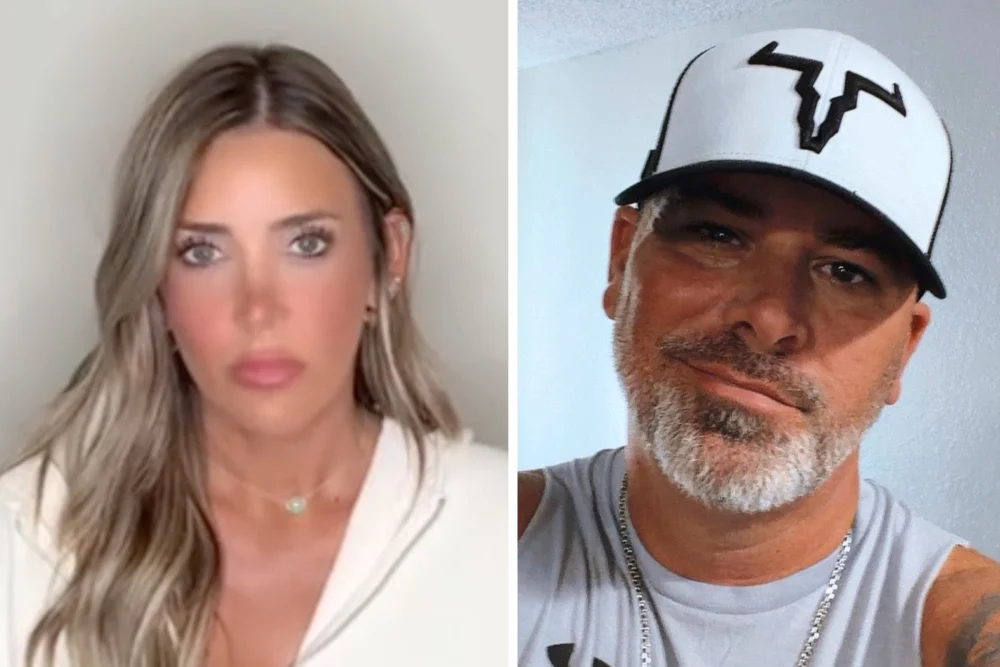
The first major turning point came on June 9, 2026, when a parent and her teenage daughter reported allegations involving Jeremiah Shawn Duffey to the Owasso Police Department. According to authorities, the report involved alleged inappropriate contact during a youth basketball event held at an elementary school facility.
Duffey was involved with a competitive basketball program, creating a situation where questions about adult responsibility and youth safety quickly became central. Another coach reportedly witnessed the interaction, intervened, and contacted the teenager’s parent after becoming concerned about what occurred.
By the time police attempted to locate Duffey, authorities said he had already left the location. That moment created a critical gap in the investigation because officers had information about a serious allegation but did not immediately have the suspect in custody.
The youth sports connection added another dimension to the case. Across the United States, youth athletic programs rely heavily on trust between coaches, families, and young athletes. When allegations involve someone in a position of authority, the impact often extends beyond one individual and affects entire communities.
The allegations against Duffey remained unresolved in criminal court because he died before prosecutors could bring the matter to trial. However, the initial report triggered a series of legal actions that shaped everything that followed.
The Missing Weeks That Became the Center of the Investigation
The most significant unanswered question in the Sara Gilson murder-suicide timeline concerns the 44 days between the first allegation and the fatal shooting. Authorities have explained parts of their search for Duffey, but many details about his movements during that period remain unclear.
Owasso police said they attempted to locate Duffey after the allegation was reported. Investigators used available resources, including cellphone information, as they worked to find him. Despite those efforts, officers did not locate him before the events that unfolded on July 23.
The lack of public information about Duffey’s whereabouts during those weeks has become one of the most discussed parts of the case. Investigators have not publicly confirmed where he stayed, how frequently he communicated with others, or whether he remained near Gilson.
This uncertainty has shaped public attention around the Sara Gilson murder-suicide investigation. Many high-profile criminal cases involve a period where investigators reconstruct movements, communications, and decisions that occurred before the final event.
The 44-day period also demonstrates the challenges law enforcement agencies face when suspects leave a location before arrest. Officers often must balance investigative requirements with legal procedures while attempting to prevent further harm.
A Protective Order Offered Legal Protection But Not Physical Security

One day after the initial allegations surfaced, Sara Gilson sought an emergency protective order against Duffey. The court order required him to stay away from her and the family residence.
A separate protective order was also requested on behalf of the teenage girl connected to the allegations. These legal steps showed that concerns had moved beyond a private family matter and into the formal court system.
Protective orders play an important role in domestic violence and safety cases across the United States. They establish legal boundaries and create consequences for violations. However, they rely heavily on enforcement and immediate reporting when those boundaries are crossed.
The Sara Gilson murder-suicide investigation has renewed attention on the limits of protective orders. A court order can legally restrict contact, but it cannot physically prevent someone from approaching a protected person.
Authorities have stated that they did not receive reports of Duffey violating the protective order before the shooting. However, the outcome demonstrates the difficulty of predicting when a dangerous situation may escalate.
Research on intimate partner violence has repeatedly shown that periods of separation can represent increased risk for some victims. Safety planning, law enforcement response, and access to support services often become critical during these transitions.
The Warning Signs That Appeared Before the Final Night
The events leading to the Sara Gilson murder-suicide included several warning signs that appeared at different stages. These included allegations involving a minor, efforts to locate Duffey, court protection requests, and concerns documented in legal filings.
According to information released about the case, Gilson expressed concerns about Duffey’s behavior and safety risks. Court documents reportedly referenced allegations involving threats and access to firearms.
Firearms are a recurring factor in domestic violence fatalities. National research from organizations studying violence prevention has consistently shown that access to firearms can increase the likelihood that domestic disputes become deadly.
The case also reflects a broader challenge in identifying escalating risks. Families, courts, law enforcement agencies, and communities often see individual pieces of information rather than the entire picture at the same time.
The Sara Gilson murder-suicide timeline shows how warning signs can exist across different systems. One agency may handle a criminal investigation, another may manage court protection, while family members may see personal behavior that never reaches official records.
Sara Gilson’s Social Media Message Became a Digital Record

Before her death, Gilson used social media to discuss the allegations involving her husband. On July 11, she posted a TikTok video in which she accused Duffey of being a pedophile and described the situation to her online audience.
The video gained significant attention after her death. It became a widely viewed piece of the public record because it showed Gilson’s own perspective before the tragedy occurred.
Social media has changed the way many people document personal crises. In previous generations, concerns about private family conflicts often remained within legal documents or personal conversations. Today, online platforms can preserve statements, timelines, and emotional accounts permanently.
The role of social media in the Sara Gilson murder-suicide investigation raises broader questions about how digital platforms intersect with modern cases. Online posts can provide context, but they do not replace official investigations or courtroom evidence.
Gilson’s video became significant because it existed before the fatal shooting. It provided a public timeline of her concerns and demonstrated how some individuals use online platforms when navigating personal and legal struggles.
A Complex Investigation Moved Beyond Local Police
Another important aspect of the Sara Gilson murder-suicide case involved jurisdiction. Authorities said Duffey’s tribal affiliation and the circumstances surrounding the alleged offense affected how the investigation proceeded.
The case moved from local law enforcement involvement into the federal system because of jurisdictional rules involving crimes in Indian Country. These legal structures can create complicated investigative processes involving local police, federal agencies, and prosecutors.
The transition between agencies is common in certain cases but can create challenges in communication and timing. Different agencies may have separate responsibilities, legal standards, and investigative procedures.
The federal involvement also meant that the alleged child abuse investigation did not follow a traditional local criminal case path. Before the allegations could reach a courtroom, Duffey died.
As a result, prosecutors never presented evidence before a judge or jury. The allegations were never legally proven or disproven through a criminal trial.
The Final Hours Turned a Legal Case Into a Tragedy
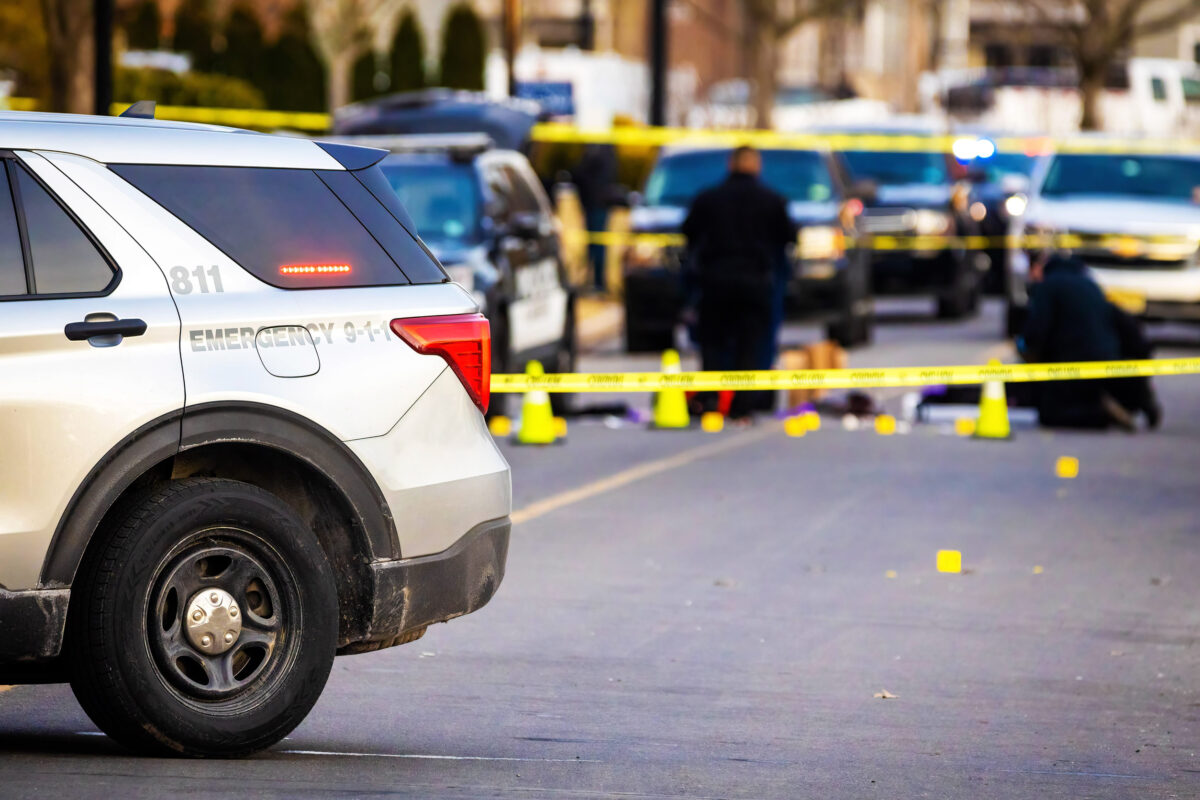
On July 23, emergency dispatchers received calls connected to Gilson’s home. A dispatcher reportedly heard screaming and what sounded like a gunshot before communication ended.
A juvenile later contacted authorities and reported that his stepfather had shot his mother. When officers arrived, they found Gilson and Duffey dead.
Police have said evidence indicated Duffey killed Gilson before taking his own life. The deaths ended both the criminal investigation involving the allegations and any possibility of a courtroom examination of the evidence.
The final moments of the Sara Gilson murder-suicide brought together every unresolved element of the previous 44 days. A protective order existed. Authorities had investigated allegations. Family concerns had been documented. Yet the situation still ended with irreversible loss.
Cases like this often lead communities to examine what prevention systems can do differently. They also reveal the difficulty of responding to threats that develop across multiple institutions.
The Questions Left Behind After an Unfinished Investigation
The Sara Gilson murder-suicide case ended without many of the answers that normally come from a criminal trial. There was no jury decision, no cross-examination of witnesses, and no public presentation of all available evidence.
The investigation left behind difficult questions about timing, communication, and prevention. How did Duffey spend the 44 days after the initial allegation? Were there additional opportunities to intervene? Could any action have changed the outcome?
Those questions may never receive complete answers.
What remains is a timeline marked by warning signs and uncertainty. The case began with an allegation involving a child, moved through legal protections and multiple investigations, and ended with a tragedy that affected families and communities.
The Sara Gilson murder-suicide serves as a reminder that preventing violence often requires recognizing risks early, connecting information across systems, and ensuring that people facing dangerous situations have meaningful protection. The most difficult part of the case may not be understanding what happened during the final moments, but understanding everything that happened before them.


