Austin Police Shooting of Anthoneil Williams II Raises New Questions About Crisis Response and Accountability
A 17-year-old teenager called for police assistance, but minutes later the Austin police shooting of Anthoneil Williams II became a tragic example of how emergency responses can spiral into irreversible consequences. The teenager was killed by officers who believed they were facing an armed threat, yet investigators later determined that he did not have a firearm.
The case has sparked a wider national conversation about police use of force, mental health intervention and the challenges officers face when responding to uncertain situations. The Austin police shooting is no longer viewed only as a single encounter in one Texas neighborhood. It has become a case study in how information gaps, crisis systems, and split-second decisions can shape life-and-death outcomes.
Authorities have said officers responded after a 911 caller reported a person who appeared to have a gun near a community park. Police later said the caller was Williams himself, a detail that has complicated the investigation and raised questions about what happened before officers arrived.
As investigators continue reviewing body camera footage, emergency records and witness accounts, the central questions remain difficult. What information did officers have? Could the situation have been recognized as a mental health crisis earlier? And could another response have changed the outcome?
A 911 Call That Created More Questions Than Answers

The events surrounding the Austin police shooting began with a call that appeared to describe a possible threat. A person reported seeing someone who seemed to have a firearm and was repeatedly touching the waistband area. The caller expressed uncertainty, saying the object looked like a firearm but that they were not completely sure.
The emergency dispatcher treated the report as a police matter because the possibility of a weapon created an immediate safety concern. The caller requested police assistance rather than mental health services. According to police officials, the call ended before dispatchers could gather additional details, despite attempts to reconnect.
That missing information became one of the most important issues in the investigation. Emergency systems depend on details provided during a crisis, but those details can be incomplete, confusing, or misleading. In this case, investigators must determine whether more information could have changed how officers approached the situation.
The fact that the call reportedly originated from Williams’ own phone has added another layer of complexity. Police have suggested the incident may have involved a deliberate attempt to create a confrontation, but investigators have not released a final determination about Williams’ intentions.
The Austin police shooting highlights a broader challenge faced by emergency responders across the country. A single report can determine whether a situation is treated as a criminal threat, a medical emergency, or a behavioral health crisis.
The Missing Information Before Officers Arrived
Police officers often make decisions based on information that is incomplete by nature. When a possible firearm is involved, officers are trained to prioritize safety because delays can put lives at risk. However, incomplete information can also create dangerous misunderstandings.
In Williams’ case, officers arrived after receiving a report of a possible armed person. They did not arrive knowing they might be responding to the same person who made the call. They encountered a teenager whose movements they interpreted as threatening during a rapidly changing situation.
Police said officers gave commands asking Williams to keep his hands visible and asked whether he was okay. Body camera footage shows Williams lifting his shirt and moving toward his waistband before extending his hands forward. Officers said they believed his hands appeared positioned as if he was holding a weapon.
The shooting happened within seconds. Three officers fired multiple rounds, and Williams died at the scene despite attempts by first responders to save him. Police later confirmed that Williams was unarmed and that the object in his waistband was a water bottle.
The Austin police shooting now centers on the difference between perception and reality. Investigators must examine not only what officers discovered afterward but also what they reasonably believed in the moment they decided to use deadly force.
The Water Bottle Detail That Changed the Entire Conversation
Few details have shaped public reaction more than the discovery that the object officers feared was not a firearm. Instead, investigators found a water bottle in Williams’ waistband. That detail has become symbolic of the difficult decisions involved in high-pressure police encounters.
For officers, a waistband movement during a possible weapons investigation can represent a serious threat. Police training emphasizes that suspects may conceal firearms in that area and that hesitation can create danger. The challenge is determining when a movement represents danger and when it reflects something harmless.
The investigation into the Austin police shooting will likely examine factors such as distance, lighting, body camera angles, and the timing of commands. Investigators must determine what officers could see and whether alternative options were available.
Similar cases across the United States have shown how quickly ordinary objects can become mistaken for weapons during tense encounters. Items such as phones, tools and toys have previously been involved in controversial police shootings. These incidents have contributed to broader discussions about training, perception and decision-making.
The water bottle found after Williams’ death does not automatically answer every legal question. However, it represents the central concern for many community members: how can officers and communities reduce the chance that a mistaken perception leads to a fatal outcome?
The Debate Over “Suicide by Police” and What It Means
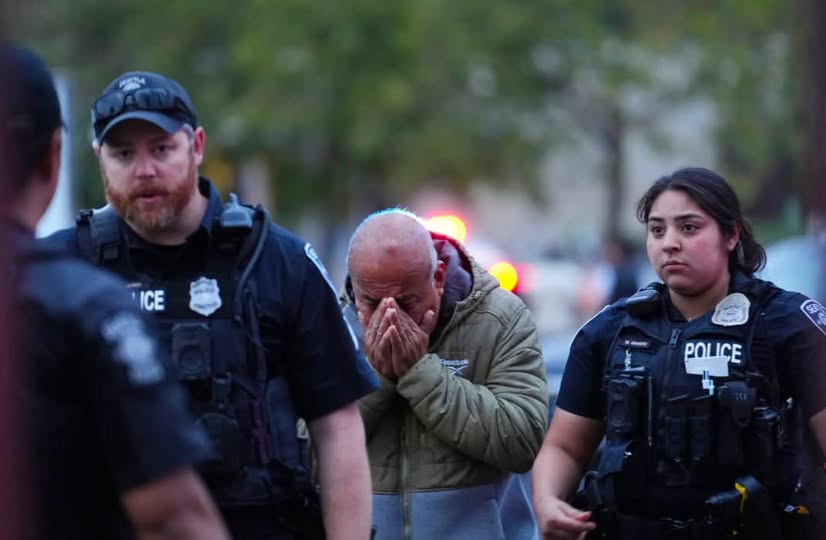
Austin Police Chief Lisa Davis said early information suggested the incident may have involved what law enforcement describes as “suicide by police.” The term refers to situations where a person intentionally creates a confrontation with officers in hopes that police will use deadly force.
Police have pointed to several details supporting that possibility, including the reported 911 call from Williams’ phone and his actions during the encounter. However, investigators must still examine evidence before reaching a final conclusion about his state of mind.
The phrase itself has become controversial among mental health advocates and some community organizations. Critics argue that it can simplify complex situations by focusing attention on a person’s possible intent rather than examining the broader circumstances surrounding the response.
The Austin police shooting demonstrates why these cases require careful analysis. A person may experience a mental health crisis, suicidal thoughts or emotional distress while questions about police tactics remain legitimate. Understanding one part of the situation does not eliminate the need to examine another.
Investigators may review Williams’ communications, personal history and other available information to better understand what happened before the encounter. A complete picture requires looking beyond the final moments captured on video.
Why the Austin Shooting Has Renewed the Mental Health Response Debate
The Austin police shooting has intensified discussions about whether traditional police responses are always appropriate for crisis situations. Across the United States, cities have experimented with alternative approaches that involve mental health professionals, social workers and specialized crisis teams.
Supporters of these programs argue that some emergencies require medical intervention rather than traditional law enforcement tactics. Programs in cities such as Denver, Los Angeles and Eugene have attempted to create responses where trained civilian teams handle certain behavioral health calls.
However, the Williams case also shows the difficulty of separating mental health concerns from public safety concerns. A report involving a possible firearm creates a different challenge than a typical welfare check. Dispatchers must decide quickly which resources to send.
Austin already operates crisis response programs designed to provide mental health support. The city has expanded partnerships between emergency services and behavioral health professionals. Yet the effectiveness of these systems depends heavily on recognizing a crisis before it becomes a dangerous confrontation.
The question raised by the Austin police shooting is not simply whether police should respond. It is whether emergency systems can better identify situations where police, medical professionals and crisis specialists need to work together from the beginning.
A Community Park Became the Center of Austin’s Grief
The location of the Austin police shooting has added emotional weight to the tragedy. Williams was killed near a playground, a place normally associated with children, families, and community gatherings. For nearby residents, the location transformed an ordinary public space into a reminder of loss.
Neighbors described hearing gunfire during the early morning hours. Some residents questioned whether the encounter could have been slowed down before deadly force was used. Others expressed concern about the impact of such an event on families who regularly use the park.
The community response has included vigils, memorials and calls for transparency. Friends described Williams as someone who cared about others and valued his relationships. They have emphasized that his life should be remembered beyond the circumstances of his death.
The Austin police shooting has therefore become both a legal investigation and a community trauma. Public trust often depends not only on the outcome of investigations but also on whether officials provide clear explanations throughout the process.
Multiple Investigations Will Determine What Comes Next

The Austin police shooting is being reviewed through several investigative processes. The Austin Police Department is conducting an internal investigation, while the Travis County District Attorney’s Office is expected to conduct an independent review after receiving evidence.
A criminal investigation will focus on whether the officers’ actions violated state law. An administrative investigation will examine whether officers followed department policies, training standards and procedures.
These reviews can produce different conclusions. An officer may act within legal standards while still raising questions about policy decisions. A department may identify training concerns even if prosecutors do not pursue criminal charges.
Transparency will likely play a major role in restoring public confidence. Residents will want answers about the timeline, the dispatch information officers received, the decisions made during the encounter, and any changes recommended afterward.
The Austin police shooting will ultimately be judged not only by what investigators find about one morning in a Texas park, but also by how the city responds afterward.
The Unanswered Questions That Will Shape Austin’s Future
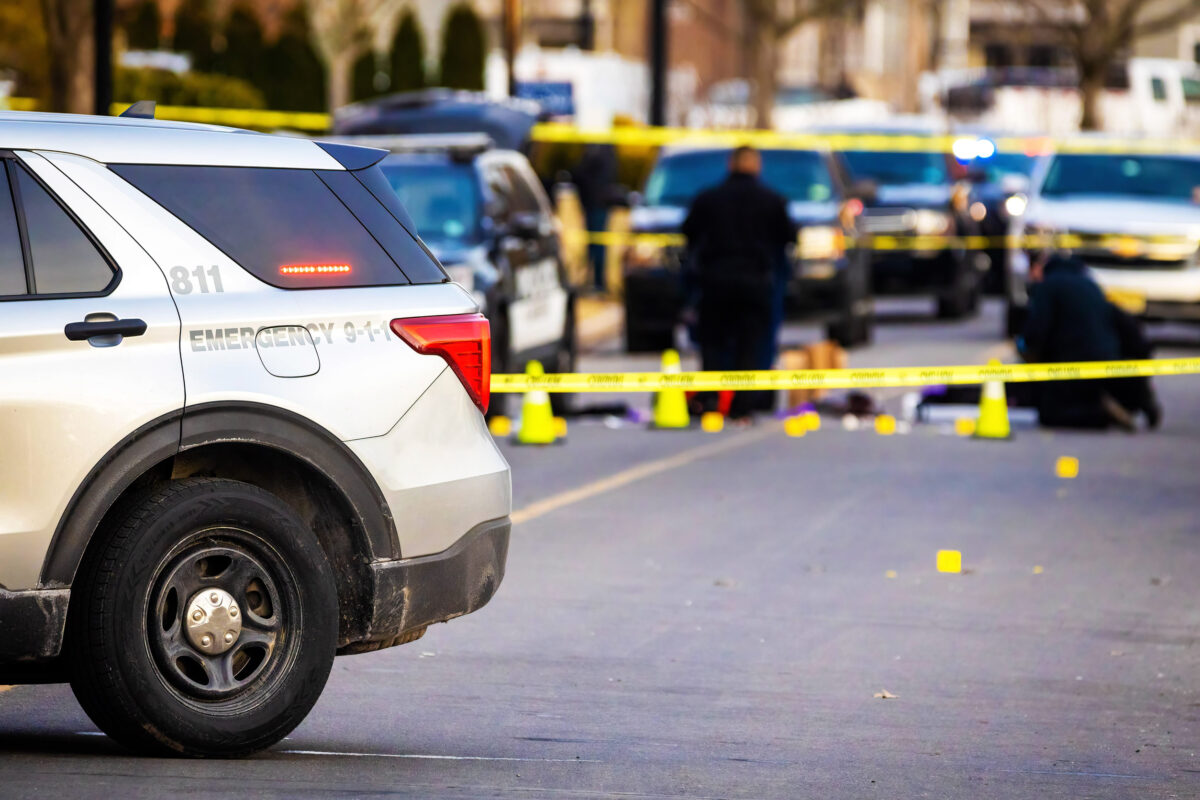
The death of Anthoneil Williams II represents a difficult intersection between public safety, mental health and police accountability. The case does not fit neatly into a single explanation because it involves competing realities.
Officers responded to a report they believed involved a possible firearm. Williams was unarmed. A teenager died during an encounter that began with a call for emergency assistance.
Those facts create a challenge for investigators and policymakers. Communities need police officers who can respond to genuine threats, but they also need systems that recognize when a person may be experiencing a crisis rather than creating a threat.
The lasting impact of the Austin police shooting will depend on whether authorities examine every decision honestly and whether the lessons from this tragedy lead to meaningful improvements. The most important question may not only be what happened in those final seconds, but whether future emergencies can be handled differently before another family faces the same loss.