8 Strange Ways Americans Used Ordinary Ingredients During the Great Depression
During the Great Depression, many American families had to make a little food go a long way. Jobs disappeared, savings were wiped out, and millions of households suddenly had to feed children on very little money. In that kind of kitchen, nothing was wasted and almost everything had a second purpose.
Some of the dishes that came out of those years sound strange today. Crackers became apple pie filling, vinegar replaced lemons, and stale bread turned into dessert. But behind each odd recipe was a mother or grandmother doing her best to put something filling and familiar on the table. Here are eight strange ways Americans used ordinary ingredients during the Great Depression, and why some of those habits still make sense today.

1. Crackers Stood In for Apples
Mock apple pie is one of the most famous recipes associated with hard times. Instead of apples, the filling was made from crackers simmered in a syrup of sugar, water, lemon juice, and cream of tartar, then flavored with cinnamon. Once baked, the crackers softened and took on a texture surprisingly close to cooked apples.
The idea was not new, since versions of mock apple pie appeared in the 1800s. But it became widely known after Nabisco introduced Ritz crackers in 1934 and printed the recipe on the box. For families who could not afford fresh fruit, it offered a way to serve a classic dessert without the classic ingredients.
2. Vinegar Replaced Lemons in Pie
Lemons were often expensive or hard to find, especially in rural areas. Many cooks turned to vinegar pie, which used a small amount of vinegar to give a custard filling the tangy flavor of lemon. The filling was usually made with eggs, sugar, butter, and flour, all common pantry items.
The pie had roots going back to pioneer kitchens, but it was especially useful during the Depression. It turned a few basic ingredients into a dessert that felt special. Some families still make vinegar pie today, and people are often surprised by how much it tastes like lemon chess pie.
3. Hot Dogs Stretched Into Hoover Stew
Hoover stew was a simple, filling dish made from macaroni, sliced hot dogs, canned tomatoes, and sometimes canned corn or peas. It was cheap, quick, and easy to make in large batches. It was also served in soup kitchens and at home.

The name was a bitter joke aimed at President Herbert Hoover, whom many Americans blamed for the slow response to the economic crisis. Shantytowns were called Hoovervilles, and newspapers used as blankets were called Hoover blankets. A stew made from the cheapest ingredients available fit right into that dark humor.
4. Cake Was Made Without Eggs, Milk, or Butter
Eggs, milk, and butter were often too expensive for everyday baking. Resourceful cooks made what became known as Depression cake or wacky cake, which used none of them. Instead, they combined flour, sugar, cocoa, oil or shortening, water, baking soda, and vinegar.
The vinegar reacted with the baking soda to help the cake rise, doing the job eggs normally do. Some versions were made directly in the baking pan to save on dishes. The cake was so practical that it became popular again during the rationing of World War II, and many families still bake it today.
5. Stale Bread Turned Into Dessert and Supper
In a Depression kitchen, stale bread was never thrown away. It was soaked in milk, eggs, and sugar, then baked into bread pudding, often with raisins or a sprinkle of cinnamon. It turned leftover scraps into a warm dessert the whole family could share.
Bread was also used to make milk toast, a simple dish of buttered toast covered in warm milk. It was eaten for breakfast, supper, or when someone was sick. During those years, even the U.S. government shared thrifty recipes through the radio show Aunt Sammy, which helped homemakers stretch their food budgets.
6. Bacon Grease Was Saved Like Gold
Many families kept a can or jar of bacon grease beside the stove. Every bit of fat from cooking was poured into it and used again to fry eggs, season vegetables, or make gravy. Nothing that added flavor was wasted.
Some people also spread lard or drippings on bread for a filling meal. It may sound strange now, but it provided calories and flavor when meat was scarce. Plenty of grandmothers continued saving bacon grease for the rest of their lives, long after money was less tight.
7. Dandelions and Wild Greens Went Into the Pot
When money was short, some families looked to their own yards and nearby fields for food. Dandelion greens, wild onions, and other edible plants were gathered and cooked or used in salads. Many rural families already knew which plants were safe to eat.
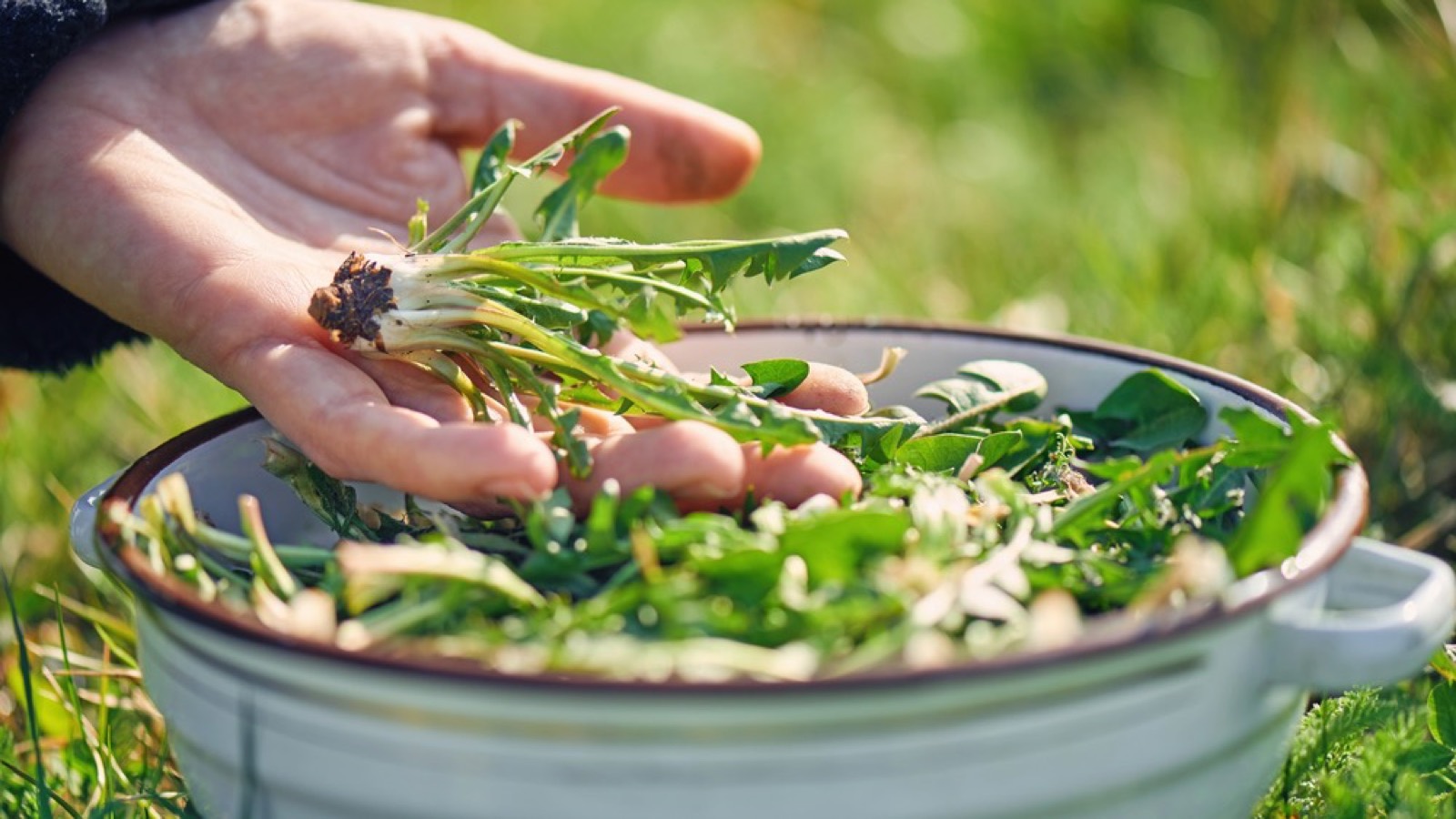
These greens added vitamins and fresh flavor to meals that were otherwise heavy on bread, potatoes, and beans. Today, dandelion greens are sold in some grocery stores and farmers’ markets. What was once a sign of hardship is now often seen as a healthy specialty green.
8. Oatmeal and Crackers Stretched the Meatloaf
Meat was one of the most expensive parts of any meal, so cooks found ways to make it go further. Meatloaf became a popular dish because a small amount of ground meat could be mixed with oatmeal, breadcrumbs, or crushed crackers. The result was a larger loaf that could feed more people.
The extra ingredients also helped keep the meatloaf moist and filling. Some recipes added onions, ketchup, or canned tomatoes for flavor. Many of today’s family meatloaf recipes still include these fillers, even though most cooks no longer think of them as a way to save money.
What Depression-Era Cooking Can Teach Us
The recipes from the Great Depression may sound unusual, but they came from creativity and determination. Families learned to waste nothing, use what they had, and still find ways to make meals feel comforting. Those habits shaped how a whole generation cooked for decades afterward.
If you want to learn more, take a look at these Depression-era foods Americans relied on. With grocery prices rising today, some of these old tricks are worth remembering. Did anyone in your family still cook this way?