8 Cooking Mistakes That Can Ruin Dinner Even When the Recipe Is Good
You found a recipe with glowing reviews, bought every ingredient on the list, and followed the steps exactly. Yet somehow the chicken came out dry, the vegetables turned to mush, and the sauce tasted flat. It’s one of the most frustrating feelings in the kitchen, and it happens to experienced cooks as well as beginners.
Most of the time, the recipe isn’t the problem. Small habits, like how hot the pan is or when the garlic goes in, can make the difference between a great dinner and a disappointing one. The good news is that these mistakes are easy to fix once you know what to look for. Here are eight cooking mistakes that can ruin dinner even when the recipe is good, and simple ways to avoid each one.
1. Crowding the Pan
It’s tempting to pile all the chicken, potatoes, or mushrooms into one skillet to save time. But when food is packed too tightly, moisture can’t escape. Instead of browning, the food steams in its own juices and turns pale and soft.
Browning is where much of the flavor comes from, so crowding the pan robs a dish of its taste. The fix is simple: cook in batches and leave space between each piece. It may take a few extra minutes, but the crispy, golden results are worth the wait.
2. Not Preheating the Pan or Oven
Many cooks add food to a cold pan or slide a tray into an oven that hasn’t finished heating. That small shortcut can change how food cooks. Meat may stick to the pan, and baked goods may not rise properly.
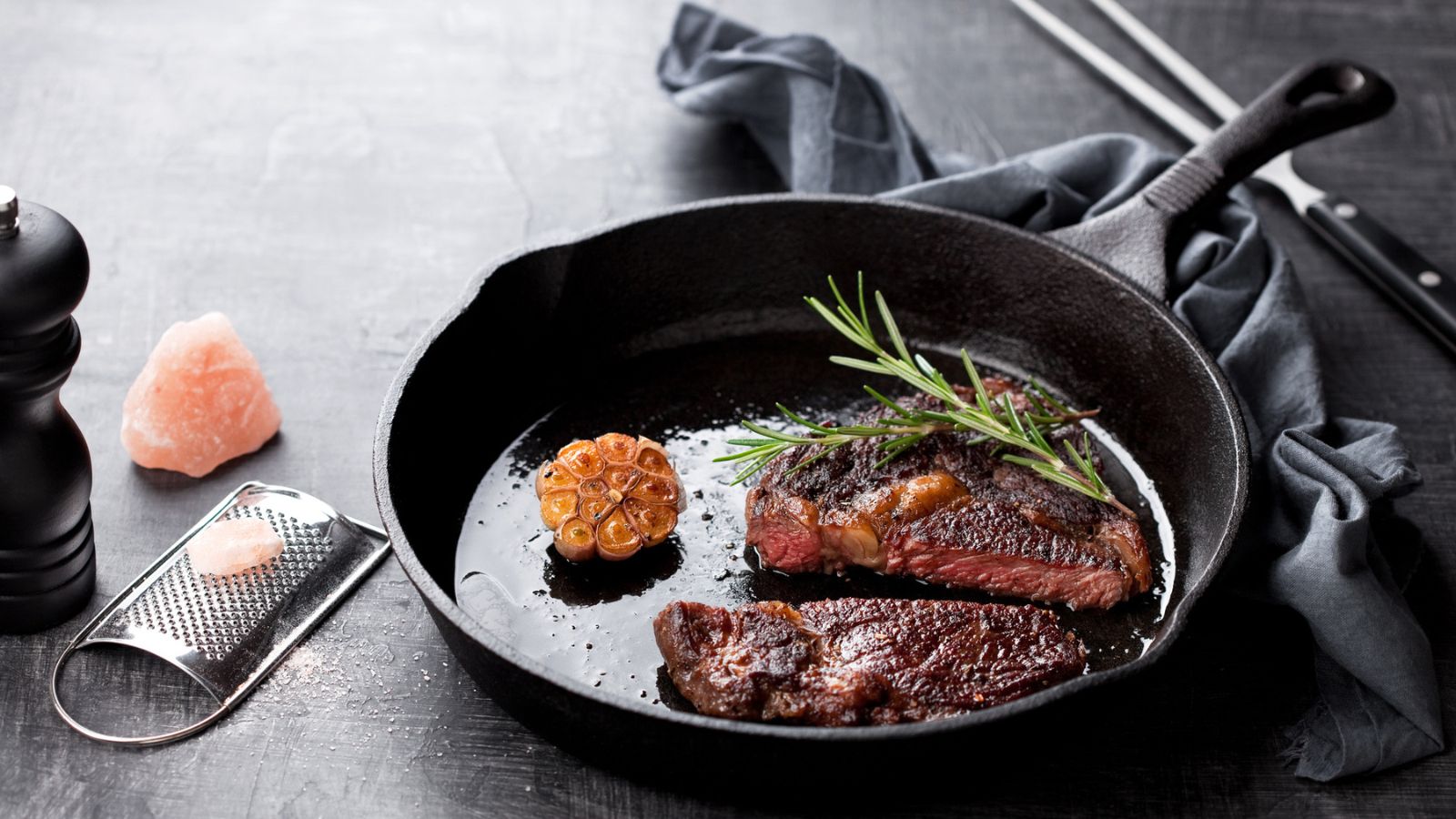
A properly heated pan helps food sear quickly and release easily. For most skillet cooking, the oil should shimmer before the food goes in. In the oven, waiting for the preheat signal helps cakes, cookies, and roasted vegetables cook evenly and on time.
An oven thermometer can also be helpful, especially in older ovens. Many ovens run hotter or cooler than the dial says. Knowing your oven’s true temperature can solve problems with recipes that never seem to turn out right.
3. Overcooking Vegetables
Many people grew up eating vegetables boiled until they were gray and limp. Overcooking not only ruins the texture but can also reduce some nutrients, especially water-soluble vitamins like vitamin C. It also makes vegetables much less appealing to children and picky eaters.
Most vegetables taste best when they are tender but still bright in color. Roasting, steaming, or quick sautéing can help preserve both flavor and texture. Checking them a few minutes early with a fork can prevent that mushy result.
4. Forgetting to Taste as You Go
Recipes give measurements, but ingredients vary. One tomato may be sweeter than another, and one brand of broth may be saltier than the next. If you don’t taste while cooking, you may not notice a problem until dinner is on the table.
Professional chefs taste their food constantly as it cooks. Taking a small spoonful lets you adjust salt, acid, or spices before it’s too late. This simple habit is one of the best ways to make any recipe taste better.
Tasting is especially important near the end of cooking. Sauces reduce and flavors concentrate as they simmer, so a dish that tasted right early on may become too salty later. A final taste before serving lets you make one last adjustment.
5. Adding Garlic Too Early
Garlic is one of the most popular ingredients in home cooking, but it burns quickly. When it goes into a very hot pan with onions or meat at the start, it can scorch in seconds. Burnt garlic tastes bitter and can spoil a whole dish.
In most recipes, garlic should be added after onions have softened or near the end of sautéing. Cooking it for just 30 seconds to a minute is often enough to release its aroma. If garlic turns dark brown, it’s usually better to start again.
6. Cutting Ingredients Unevenly
When vegetables or meat are cut into pieces of different sizes, they cook at different rates. Small pieces may burn while large pieces are still raw in the middle. The result is a dish that is unevenly cooked.
Taking a moment to cut ingredients into similar sizes helps everything cook evenly. This is especially important for roasted vegetables and stir-fries. A sharp knife makes the job easier and safer, since dull knives are more likely to slip.
7. Ignoring Internal Temperatures
Guessing whether meat is done is one of the most common kitchen mistakes. Cutting into chicken to check lets juices escape, and color isn’t always a reliable sign. Undercooked meat can be unsafe, while overcooked meat turns dry and tough.
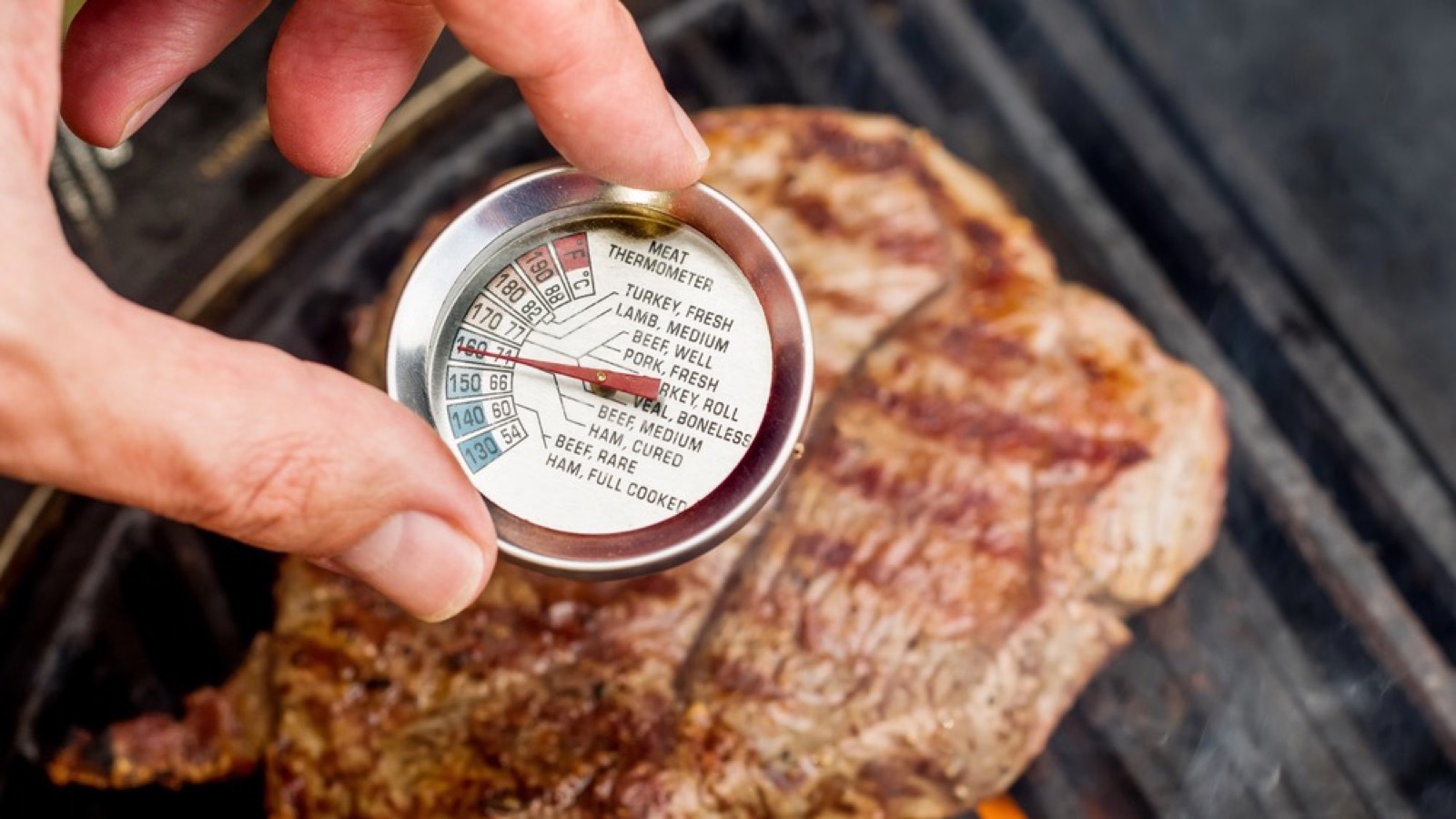
A simple food thermometer solves this problem. According to FoodSafety.gov, poultry should reach 165°F, and ground beef should reach 160°F. Using a thermometer takes the guesswork out of cooking and helps meat stay juicy and safe.
8. Preparing Ingredients Too Late
Many cooks start a recipe and then realize they still need to chop the onions or measure the spices. While they scramble, something on the stove burns or overcooks. This can quickly turn a calm evening into a stressful one.
Chefs use a method called mise en place, a French phrase meaning “everything in its place.” It simply means preparing and measuring ingredients before you start cooking. With everything ready, the cooking process becomes smoother, faster, and far less stressful.
Why Cooking Technique Matters
Good recipes are important, but technique makes the biggest difference in the final result. Small changes in how you cook can turn an average meal into a great one. Learning these basics helps you cook with more confidence.
It also helps to avoid some of the common kitchen mistakes that many home cooks make without realizing it. Even professional chefs have a list of kitchen items they say are not worth buying. Which of these mistakes have you made in your own kitchen?