Russia’s War is Getting More Expensive. Putin Faces Growing Pressure as Money Becomes Harder to Find
Russia has built a wartime economy capable of absorbing enormous costs, but prolonged military spending is creating a difficult financial balancing act for the Kremlin. As defense expenses continue to rise, Moscow faces mounting questions over how it will fund the war, maintain economic stability, and protect the banking system from growing stress.
The challenge is not simply about whether Russia has money today. The deeper issue is whether the country can continue financing an expensive military campaign while dealing with weaker revenues, higher borrowing costs, inflation risks, and increasing pressure on businesses and households.
Russia’s government has relied on several financial tools to support wartime spending, including energy revenues, taxation, domestic borrowing, and reserves. However, each option comes with limits. As those limits become more visible, economists are watching closely for signs of deeper economic strain.
Russia’s War Spending Creates a Growing Budget Pressure
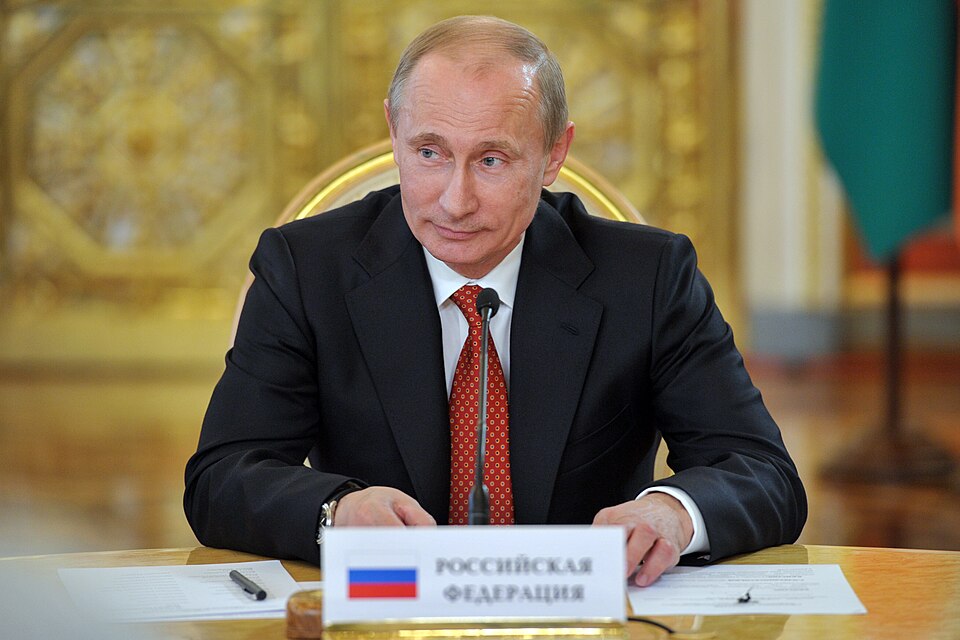
Kremlin.ru, CC BY 3.0, via Wikimedia Commons
The Kremlin’s military priorities have transformed Russia’s budget, pushing defense spending to levels rarely seen in the post-Soviet era. Since launching its full-scale invasion of Ukraine in 2022, Russia has redirected significant state resources toward defense production, military salaries, weapons manufacturing, and battlefield operations. The shift has supported some industrial sectors, especially those connected to defense, but it has also increased pressure on government finances.
A wartime economy can appear resilient because government spending keeps factories active and workers employed. However, this type of growth depends heavily on continued state funding. When military demand rises faster than government revenue, budget deficits become harder to control.
Russia’s financial authorities have attempted to manage this pressure by adjusting taxes, increasing borrowing, and using state reserves. Yet prolonged military commitments create a difficult calculation: every additional ruble directed toward defense represents money that cannot easily be used for infrastructure, social programs, regional support, or economic development.
The Kremlin has repeatedly signaled that national security remains the priority. That commitment means financial decisions are increasingly shaped by military requirements rather than traditional economic efficiency.
Oil Revenues Remain Critical but Increasingly Uncertain
For decades, Russia’s energy industry has been the financial foundation supporting government spending, but oil income has become less predictable. Energy exports remain one of Moscow’s most important sources of revenue. Oil and gas income has historically provided billions of dollars for the federal budget, allowing the government to fund major projects and maintain financial reserves.
However, Russia’s energy position has changed significantly since Western sanctions were introduced. Moscow has redirected exports toward alternative buyers, including countries in Asia, while accepting new challenges involving transportation costs, discounts, and market uncertainty.
Oil prices also remain outside Russia’s direct control. A major decline in global energy prices could quickly reduce government income and create additional pressure on the budget.
At the same time, attacks on energy infrastructure and logistical networks have added another layer of uncertainty. Damage to refineries and transportation facilities can affect domestic fuel supplies, repair costs, and export capacity.
Russia’s dependence on energy revenue creates a vulnerability: the government can plan spending, but it cannot fully control the global market conditions that determine how much money flows into state accounts.
The Kremlin Turns to Taxes, but Businesses Feel the Weight
Higher taxes can provide short-term revenue, but they also risk weakening the companies that generate future income. Russia has increased pressure on businesses and higher earners as the government searches for additional sources of money. Tax changes have helped increase collections, but economists warn that aggressive taxation can become counterproductive if companies struggle to survive.
Small and medium-sized businesses are particularly vulnerable. These companies often operate with limited financial flexibility and depend heavily on affordable credit.
High interest rates have made borrowing significantly more expensive. Businesses that need loans for expansion, inventory, or daily operations now face higher repayment costs, making survival more difficult.
If more companies fail, the government could eventually lose important sources of tax revenue. A shrinking business sector also creates wider economic consequences because suppliers, employees, and local communities are affected.
Russia’s Domestic Debt Strategy Faces Rising Costs
Borrowing has become one of Moscow’s main financial tools, but expensive debt creates a new challenge for the government. When governments need additional money, they often issue bonds to investors. Russia has increasingly relied on domestic borrowing to cover budget gaps while avoiding dependence on foreign financial markets.
However, rising interest rates have made government debt much more expensive. When bond yields increase, the government must pay more to convince investors to lend money. This creates a financial burden that grows over time. New borrowing not only covers current expenses; it also adds future repayment obligations.
The Central Bank has attempted to balance inflation concerns with economic pressure by adjusting interest rates. But high rates create problems for both the government and private companies.
For businesses, expensive credit slows investment. For the government, expensive borrowing increases the cost of servicing existing debt. The result is a difficult situation where the state needs more money while the cost of obtaining it continues to rise.
Russia’s Central Bank Faces Pressure Between Inflation and Government Needs
The independence of Russia’s central bank has become a major focus as economic pressures increase. The Central Bank of Russia faces a complicated mission. It must control inflation, protect financial stability, and maintain confidence in the financial system while the government manages wartime spending demands.
Lower interest rates can support businesses and reduce borrowing costs, but they can also increase inflation pressure. Higher rates can help control prices but make government debt and corporate loans more expensive. This balancing act has become more difficult as budget pressures grow. Investors closely watch central bank decisions because monetary policy influences confidence in Russia’s financial system.
If markets believe economic decisions are being driven mainly by political priorities rather than financial stability, borrowing costs could rise further. Confidence is particularly important because Russia’s financial system depends heavily on domestic institutions, including major state-linked banks.