Trump Rejects Iran Link to Minnesota Cyberattack as Officials Investigate Possible Foreign Threat
A cyberattack targeting Minnesota’s water systems has turned into a national political dispute after President Donald Trump challenged early assessments pointing toward Iran and blamed state leadership instead.
The incident, which affected multiple water systems in Minnesota, raised concerns about the security of America’s critical infrastructure. Federal agencies and cybersecurity officials have been investigating the attacks, with early warnings pointing to possible involvement by Iranian-linked hackers.
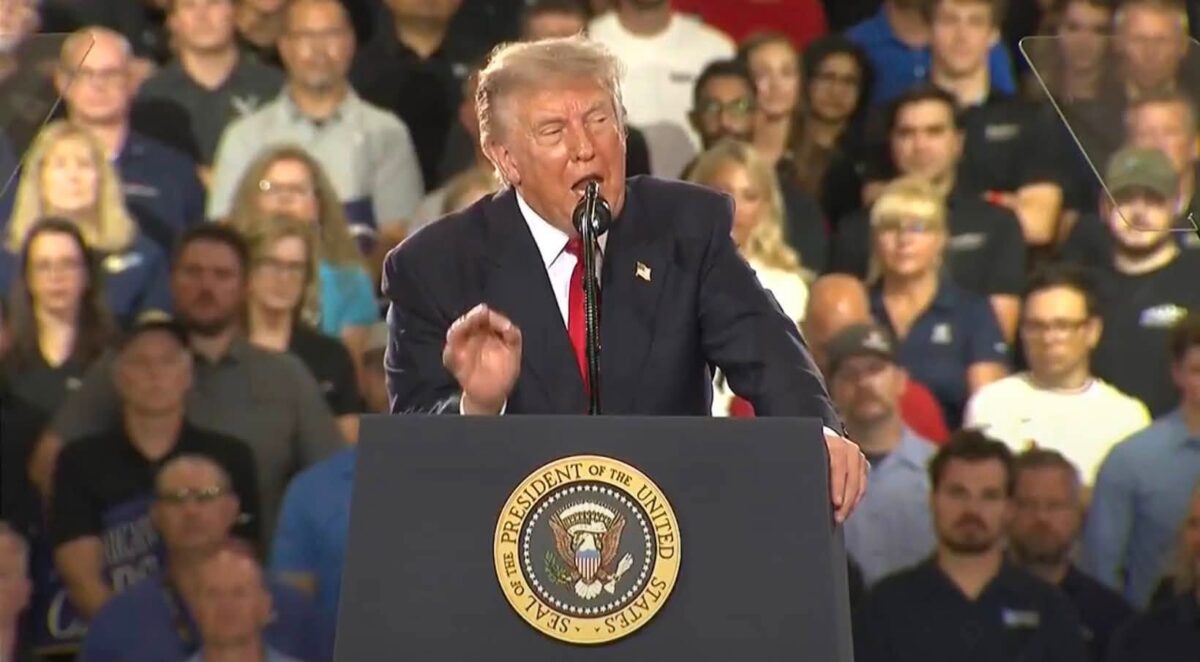
But during remarks at Camp David on Friday, Trump rejected the idea that Iran was responsible and questioned the state’s handling of cybersecurity.
“We heard in Minnesota there was a cyberattack and they blame it on Iran. I don’t think so,” Trump said, according to Reuters. He added that he believed the problem was related to Minnesota’s own cybersecurity failures.
The president’s comments immediately sparked a political clash with Minnesota Governor Tim Walz, who defended the state’s response and criticized the administration’s approach to cybersecurity.
Minnesota Water Systems Become Focus of Cybersecurity Investigation
The cyberattack targeted water infrastructure in Minnesota, raising concerns because water systems are considered part of the nation’s essential services.
According to reports, investigators found malicious activity affecting water-related systems, including attempts to access equipment used to monitor and control operations. The Cybersecurity and Infrastructure Security Agency (CISA) had previously warned that cyber threat actors were targeting industrial control systems connected to critical infrastructure.
The Minnesota incident came as federal agencies examined a broader pattern of cyber activity affecting water facilities in multiple states.
The FBI confirmed it was investigating similar attacks involving water systems and other critical infrastructure targets. However, officials have continued to examine the evidence rather than announce a final public attribution.
Officials Investigate Possible Iranian Cyber Connection
Before Trump’s comments, cybersecurity officials had been examining whether Iranian-affiliated hackers were connected to the attacks.
A Minnesota Fusion Center assessment and a joint government warning identified similarities between the activity and known tactics used by Iran-linked cyber groups targeting water facilities
Cybersecurity experts have warned for years that water systems, power networks, transportation systems, and other public infrastructure remain attractive targets for foreign cyber actors.
However, investigators have not publicly issued a final determination that Iran was responsible for the Minnesota attacks. The FBI has said it continues to investigate and work with partners to protect critical infrastructure.
Trump Challenges Federal Assessment and Points to State Leadership

Trump’s comments created a sharp disagreement over how the attack should be interpreted.
During his remarks, the president questioned why attention was focused on Iran and criticized Minnesota’s cybersecurity preparedness.
Reports say that Trump blamed the state’s leadership rather than accepting the possibility of foreign involvement. The Associated Press reported that Trump did not provide evidence supporting his claim that Minnesota was responsible for the cyberattacks.
The comments quickly became part of a larger debate over cybersecurity responsibility, political accountability, and how governments should respond when critical infrastructure faces digital threats.
Governor Walz Pushes Back Against Trump’s Claims
Minnesota Governor Tim Walz responded by defending the state’s response and disputing Trump’s criticism.
Walz said the president was aware of the information surrounding the investigation and criticized the administration’s handling of cybersecurity issues. He also raised concerns about changes affecting federal cybersecurity resources, including the role of the Cybersecurity and Infrastructure Security Agency.
The disagreement reflects a broader political divide over whether cybersecurity threats should primarily be viewed as technical failures, foreign attacks, or a combination of both.
Why Water System Cyberattacks Raise National Security Concerns
Cybersecurity experts consider water infrastructure a particularly sensitive target because disruptions could affect millions of people.
Unlike traditional criminal activity, cyberattacks on public utilities can create challenges that go beyond financial damage. A successful attack could potentially interfere with operations, disrupt services, or undermine public confidence in essential systems.
Federal agencies have repeatedly urged water utilities and local governments to strengthen cybersecurity protections as hackers increasingly target infrastructure networks.
The Minnesota incident has renewed questions about how prepared smaller public systems are to defend against sophisticated cyber threats.
The Investigation Continues as Officials Seek Answers
So far, investigators have not publicly confirmed who carried out the Minnesota cyberattack.
Federal agencies continue examining the evidence, while state officials and national leaders debate the response.
The situation highlights one of the biggest challenges in modern cybersecurity: determining responsibility after an attack while investigations are still underway.
For Minnesota residents, the immediate concern remains protecting essential services and ensuring that water systems remain secure.
For national security officials, the incident serves as another reminder that America’s infrastructure remains a target in an increasingly complex digital environment.
As the investigation develops, officials are expected to provide more details about the source of the attack and whether any foreign actors played a role.
c