8 Brutal Ways Inmates Kill Each Other Inside America’s Deadliest Prisons
Prisons are supposed to keep the most dangerous individuals under control, but inside, a different kind of violence thrives. Behind bars, survival often depends on power, fear, and brutality. Inmates have developed horrifyingly creative ways to harm and even kill each other, revealing a darker side of the correctional system that few outsiders ever see.
From improvised weapons to coordinated gang attacks, the lethal ingenuity of prisoners is a chilling reminder of how fragile safety can be in overcrowded, under-supervised facilities. Here are eight of the most brutal ways inmates kill each other in America.
Stabbings With Shanks

Shanks are the quintessential prison weapon. Inmates fashion knives from toothbrushes, metal scraps, pens, or broken pieces of furniture. Despite being improvised, these weapons can pierce vital organs in seconds, turning what seems like a minor altercation into a fatal encounter.
Stabbings often stem from personal vendettas, gang disputes, or disputes over contraband. They frequently occur in cellblocks, showers, or recreation areas where supervision is limited. The danger is compounded because these attacks can escalate rapidly, leaving victims with life-threatening injuries before anyone can intervene.
Blunt Force Attacks
Blunt instruments are another common tool for lethal violence. Inmates use broom handles, weights, or even broken furniture to deliver devastating blows. Unlike stabbings, blunt force attacks can be chaotic, indiscriminate, and deadly, often causing severe head trauma or internal injuries.
Such attacks frequently erupt during fights over territory, personal grudges, or contraband. Inmates sometimes gang up to overwhelm a single target, and the combination of multiple attackers and heavy objects can be fatal within moments.
Gang-Organized Hits

Some of the most calculated prison killings are orchestrated by gangs. These hits are premeditated, targeting rivals, informants, or anyone violating gang rules. They are often carried out with such coordination that they are terrifyingly efficient.
These killings might involve multiple methods simultaneously: stabbing, strangulation, or blunt force. Gang hits send a clear message throughout the prison: disobedience or defiance comes with lethal consequences. The psychological impact of such orchestrated attacks is profound, reinforcing fear and control among other inmates.
Strangulation and Ligature Killings
Strangulation using makeshift ligatures, such as bedsheets, cords, or shoelaces, is a method that is quiet yet deadly. Unlike knives or blunt objects, ligature killings are subtle and often occur when fewer witnesses are around.
Strangulation is sometimes used for personal vendettas or gang enforcement. These attacks are slow, deliberate, and intimate, leaving profound psychological scars on anyone who witnesses them. The method’s stealth makes it particularly lethal because it can happen without immediate detection by guards.
Poison and Contaminated Food
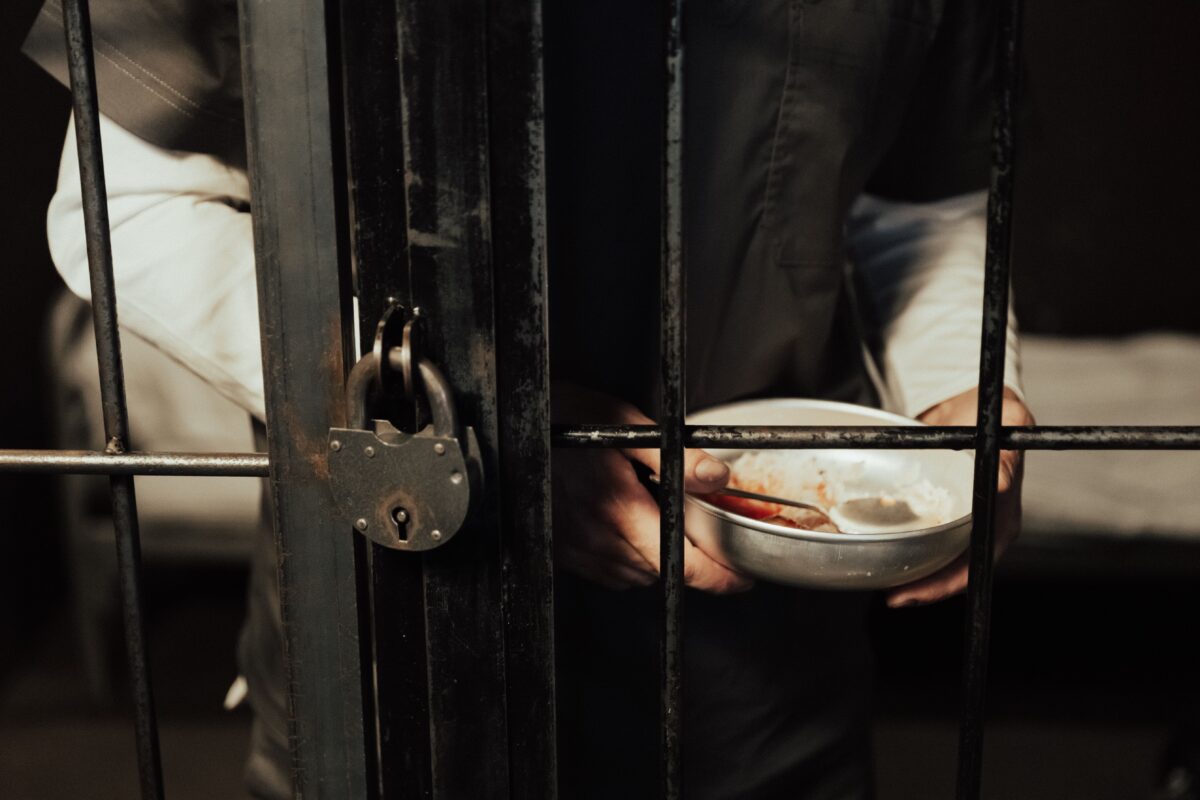
Though less common, poisoning is an insidious method. Inmates may tamper with food, beverages, or medications to harm rivals. The danger is magnified in shared dining halls or communal kitchens, where one act can affect multiple people.
Poisoning demonstrates that inmate violence is not limited to direct confrontations. It can be strategic, quiet, and lethal, often putting guards and other inmates on the defensive long before the source is discovered.
Coordinated Cellblock Riots
Prison riots are chaotic by nature, but they can be deadly when targeted attacks occur during the unrest. Inmates exploit the chaos to isolate victims and unleash violence with weapons or blunt instruments.
Overcrowding and weak supervision exacerbate the risk. Riots can quickly turn lethal, leaving dozens injured or dead in a matter of hours. These events are a stark reminder that even short bursts of disorder can spiral into catastrophic loss of life inside correctional facilities.
Sexual Violence Leading to Murder
Sexual assault in prisons can escalate to lethal attacks. Victims may be killed to silence them or punish perceived disobedience. These murders are particularly brutal and psychologically scarring for both survivors and witnesses.
The prevalence of sexual violence underscores the extreme power dynamics in prisons. It highlights how deeply personal attacks intersect with lethal outcomes, making sexual assault one of the most dangerous and underreported forms of prison violence.
Fires and Arson

Arson is a deadly but sometimes overlooked method of inmate violence. Fires can be set deliberately to target rivals, destroy evidence of crimes, or create chaos during riots. Inmates trapped in burning cells face almost certain death if the blaze spreads quickly, especially in overcrowded conditions.
Fires are particularly destructive because they can claim multiple victims simultaneously. Beyond direct fatalities, smoke inhalation and structural collapses increase the death toll and add to the terror inside already volatile facilities.
Conclusion
America’s prisons are breeding grounds for extreme violence. From shanks and blunt force attacks to gang hits, strangulation, poisoning, riots, sexual assaults, and arson, inmates have developed horrifyingly effective ways to kill each other. These methods reveal a grim reality: survival often depends on brutality, and safety is fragile behind bars.
The human toll is staggering. Victims, survivors, and their families endure lasting trauma, while the broader prison population lives in a climate of fear. Understanding these brutal methods is essential for policymakers, corrections staff, and the public. Only by addressing overcrowding, gang activity, and staffing shortages can this deadly cycle of inmate violence begin to be broken.