Iran Raises Israeli “False Flag” Theory After Drone Attack Strikes Egypt’s Damietta Port
A drone attack on Egypt’s Damietta Port has opened a dangerous new front in the widening Middle East conflict, damaging two gas vessels and forcing regional governments to confront an uncomfortable question: Who benefits from dragging Egypt into the fighting?
Iranian Foreign Minister Abbas Araghchi has suggested that Israel may have carried out a “false flag” operation designed to make another country appear responsible. However, Egyptian authorities have not blamed Israel, Iran or any other government, and no group has publicly claimed responsibility for the attack.
A Drone Turns a Strategic Port Into a Crime Scene
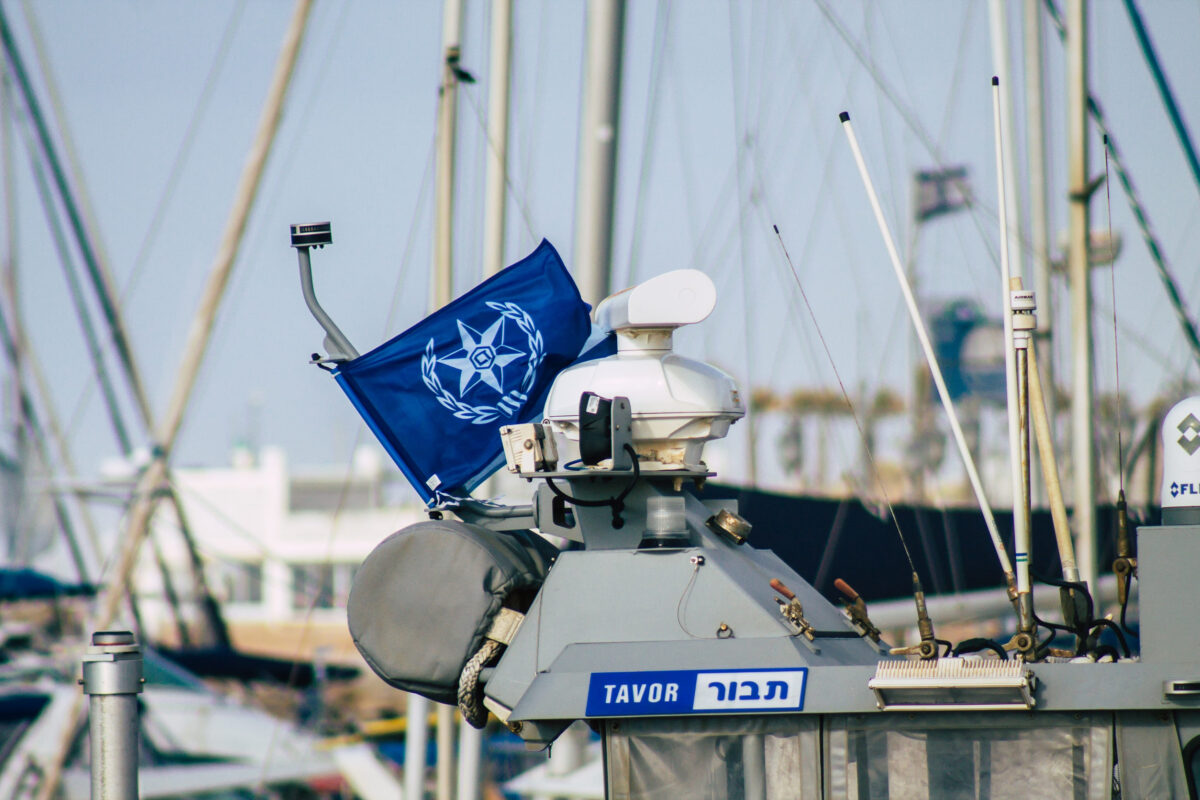
The incident occurred on July 29, when a drone struck the Energos Winter, a floating gas storage and regasification vessel at Damietta Port on Egypt’s Mediterranean coast. The resulting fire spread to the nearby GasLog Salem tanker before emergency teams brought the flames under control.
Egypt’s government later confirmed that its preliminary investigation found the fire had been caused by a drone rather than an industrial accident. Officials reported no deaths or injuries, while investigators recovered evidence and began examining the circumstances surrounding the strike.
The Energos Winter is owned by the American company Energos Infrastructure and managed by Singapore-based Wilhelmsen Ship Management. Maritime security analysts reported that the vessel was struck on its starboard side, although the drone’s launch point, model and operator have not been publicly identified.
Damietta Port authorities said operations continued normally after the emergency response. The damaged vessels were reportedly moved offshore as technical teams assessed the damage and examined possible risks to Egypt’s gas supply infrastructure.
Araghchi Points Toward Israel
Araghchi responded by stressing that Egypt remains “an important friend and partner in the region” and that Egyptian security is of “utmost importance” to Tehran. He then urged governments to remain alert to what he described as Israeli plots and false flag operations intended to undermine regional peace.
A false flag operation is an attack carried out in a way that attempts to place responsibility on another actor. Such operations can be designed to provoke military retaliation, destroy diplomatic relationships, or manipulate public opinion during a crisis.
Araghchi did not release evidence publicly connecting Israel to the Damietta strike. His statement therefore remains an allegation rather than an established finding, and Israel had not been officially identified by Egyptian investigators as responsible for the incident.
That distinction is critical because the region is already flooded with competing accusations, military claims and politically motivated narratives. Assigning responsibility before investigators establish the drone’s origin could create pressure for retaliation based on incomplete or misleading information.
Egypt Refuses to Rush Toward Blame
Egypt has taken a noticeably cautious position. President Abdel Fattah el Sisi said recovered drone debris was being analyzed and made clear that Cairo would not speculate about the attacker before the investigation produced reliable findings.
During a conversation with Spanish Prime Minister Pedro Sánchez, Sisi warned that the regional conflict was undergoing a serious escalation. Sánchez condemned the attack and expressed Spain’s solidarity with Egypt, according to the Egyptian presidency.
The Egyptian cabinet similarly said authorities were continuing their investigation to determine the circumstances of the incident. It added that necessary measures were being taken to protect Egypt’s interests and national security.
Cairo’s restraint reflects the enormous consequences of naming a suspected attacker without conclusive evidence. Egypt maintains important relationships with the United States, Israel, Iran, Saudi Arabia and other governments whose rivalries are driving the region’s instability.
Iran and Egypt have also maintained diplomatic consultations despite decades of complicated relations. In March, Araghchi and Egyptian Foreign Minister Badr Abdelatty discussed regional tensions, de-escalation efforts and the need for continued communication between Tehran and Cairo.
The Target Was Bigger Than Two Ships
Damietta is not an ordinary commercial port. It hosts important liquefied natural gas infrastructure and has become increasingly valuable as Egypt imports more gas to meet domestic electricity demand, particularly during the hot summer months.
Egyptian Prime Minister Mostafa Madbouly said the government had secured alternative energy supplies following the attack. Officials reported that Egypt had access to four floating storage and regasification units, along with another vessel based at Jordan’s Aqaba port that could support Egyptian requirements.
The attack also raised concerns about shipping near the Suez Canal, one of the world’s most strategically important trade corridors. Although the canal itself was not attacked and operations were not immediately disrupted, any sustained threat near Egyptian ports could increase insurance costs and unsettle global energy markets.
The strike came as regional shipping routes were already under pressure from fighting involving Iran, the United States, Israel and Iran-aligned armed groups. Disruptions around the Strait of Hormuz and the Bab el Mandeb have made Egyptian routes even more important for energy shipments.
Araghchi’s accusation has therefore added another layer of tension to an already dangerous investigation. Iran is presenting Israel as the possible author of a deceptive operation, while Egypt is insisting that evidence, not political pressure, must determine responsibility.
For now, the clearest facts are limited but serious. A drone struck a gas vessel, two ships caught fire, no casualties were reported, and investigators have not publicly named the attacker.
Until Egypt completes its analysis, claims of an Israeli false flag operation remain unproven. Yet the attack has already demonstrated how quickly one unidentified drone can threaten energy security, international shipping and fragile diplomatic relationships across the Middle East.