Minnesota Water Systems Targeted in Cyberattack Investigation as Officials Examine Possible Iran Connection
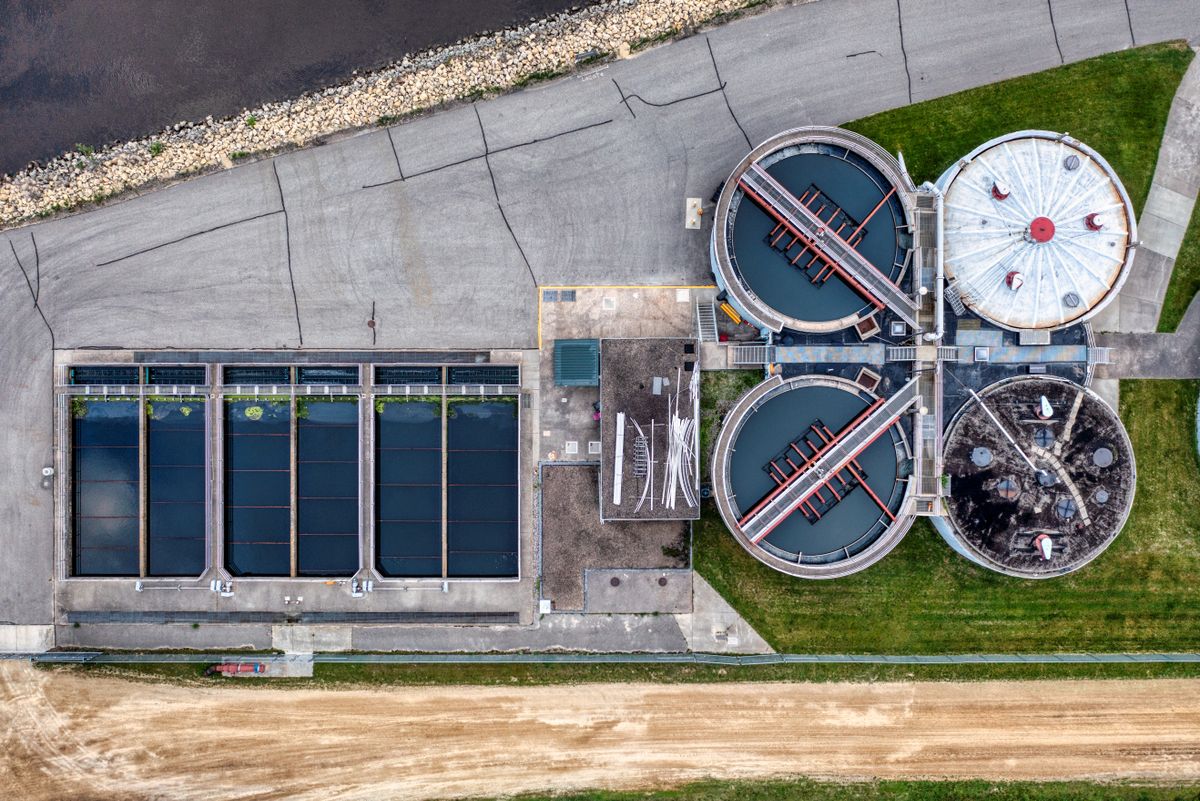
A quiet threat unfolded behind the scenes at Minnesota water facilities when cyber attackers attempted to gain access to systems responsible for managing essential public services.
Now, investigators are examining whether the activity was connected to Iran-linked hackers, raising new concerns about the vulnerability of America’s critical infrastructure.
The investigation has placed Minnesota at the center of a growing national cybersecurity debate. Water systems, which millions of Americans rely on every day, have increasingly become targets for cybercriminals and foreign-linked hacking groups seeking access to sensitive networks.
Investigators are looking into a possible connection between the Minnesota water system attacks and Iranian cyber activity as reported by ABC News. Officials have not publicly confirmed that Iran was responsible, and the investigation remains ongoing.
The case highlights a difficult challenge facing cybersecurity officials: identifying who is behind a digital attack while protecting public systems from future threats.
Minnesota Water Systems Become the Focus of a Cybersecurity Investigation
The investigation began after suspicious cyber activity was detected involving water infrastructure in Minnesota.
Water systems across the country rely on computer networks to manage operations, monitor equipment, and maintain reliable service. While many of these systems are designed with safety measures, cybersecurity experts have warned that older technology and limited security resources can create vulnerabilities.
Report says that investigators were examining whether the Minnesota incidents were connected to Iranian-linked cyber groups known for targeting infrastructure networks.
Officials have stressed that the investigation is not complete and that identifying the source of a cyberattack can take time. Digital evidence must be collected, analyzed, and compared with known hacking methods before investigators can make a final determination.
Possible Iran Link Under Investigation, But No Final Attribution Made
The possibility of Iranian involvement has drawn attention because U.S. officials have previously warned about cyber threats from foreign actors targeting American infrastructure.
Investigators often look at several factors when examining a cyberattack, including the tools used by hackers, the methods used to gain access, and digital clues left behind during the operation.
However, officials have not announced a conclusion that Iran carried out the Minnesota attacks.
Cybersecurity investigations frequently involve uncertainty in the early stages because attackers can attempt to hide their identities by using stolen tools, false digital signatures, or compromised systems located in other countries. Federal agencies such as the FBI regularly investigate cyber incidents involving criminal groups and foreign-linked threat actors.
For that reason, government agencies typically avoid assigning blame until enough evidence is available.
Why Water Systems Are Becoming Bigger Cybersecurity Targets
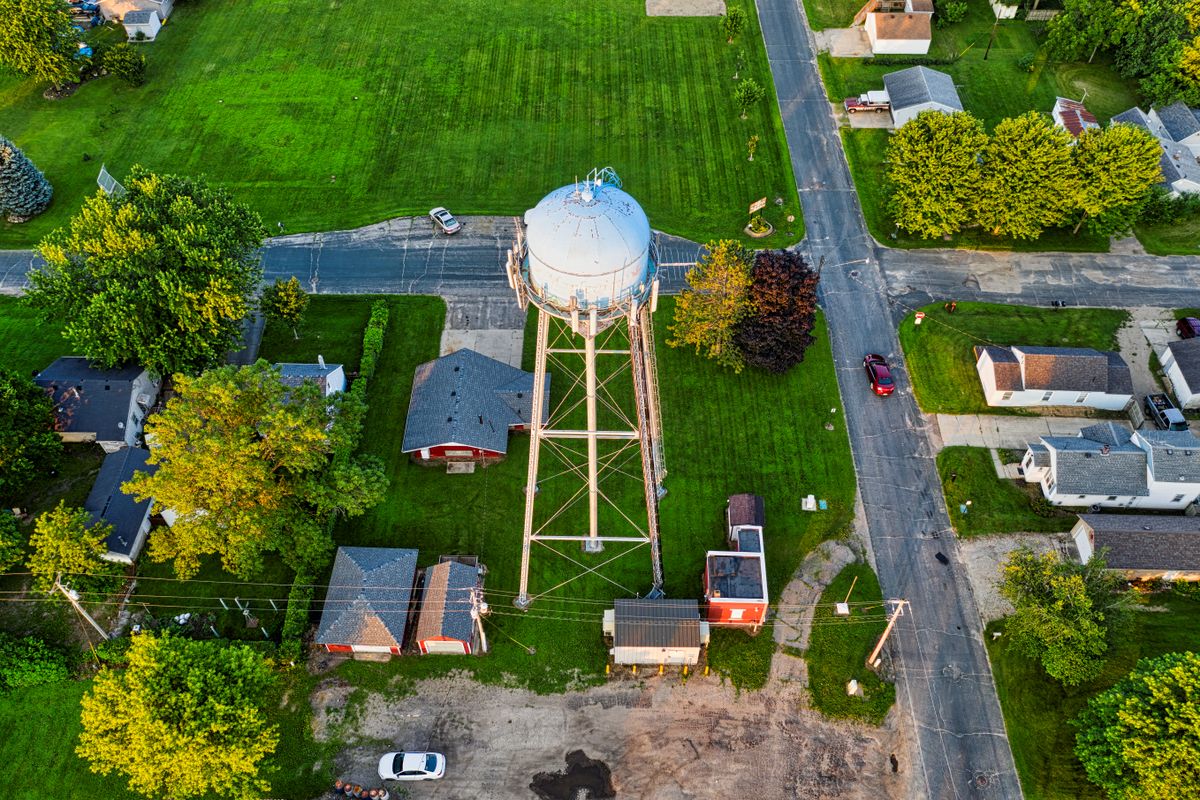
The Minnesota incident comes as cybersecurity officials continue warning that public utilities face increasing digital threats.
Water systems are considered part of the nation’s critical infrastructure because they provide services essential to daily life. A serious disruption could affect homes, businesses, hospitals, and public facilities.
Federal agencies, including the Cybersecurity and Infrastructure Security Agency, have urged water utilities to strengthen cybersecurity protections and improve monitoring of their networks.
Many smaller water systems face unique challenges because they often operate with limited budgets and fewer cybersecurity resources compared with larger government agencies or private companies.
The concern is not only about shutting down services. Cybersecurity experts also worry about attackers changing system settings, accessing sensitive information, or creating uncertainty about whether operations are safe.
Officials Investigate While Minnesota Works to Protect Infrastructure
As investigators continue reviewing the evidence, Minnesota officials have focused on responding to the cyber activity and protecting public systems.
State and federal agencies often work together during major cybersecurity incidents, sharing information and helping affected organizations identify vulnerabilities.
The investigation has also renewed questions about how prepared local governments are for increasingly sophisticated cyber threats.
Unlike traditional security challenges, cyberattacks can cross international borders within seconds, making cooperation between local, state, and federal agencies a critical part of the response.
Cybersecurity Experts Warn of a Larger National Challenge

The Minnesota case reflects a broader concern facing communities across the United States.
In recent years, cyberattacks have targeted a wide range of essential services, including healthcare networks, government agencies, energy providers, and public utilities.
Experts say attackers are increasingly interested in systems that affect everyday life because disruptions can create public pressure and attract significant attention.
The challenge for officials is balancing transparency with security. Governments must inform residents about threats while avoiding details that could help future attackers.
Political Debate Grows Over Cyberattack Response
The investigation has also become part of a political debate over cybersecurity responsibility.
President Donald Trump recently questioned whether Iran was responsible for the Minnesota attacks, saying he did not believe the country was behind the incident and criticizing Minnesota’s cybersecurity preparedness.
State officials have defended their response and emphasized the need for continued investigation before reaching conclusions.
The disagreement highlights a larger national discussion about how leaders should respond when cyberattacks occur and who should be held responsible.
Residents Wait for Answers as Investigation Continues
For people who depend on Minnesota’s water systems every day, the biggest concern is simple: whether essential services remain safe and reliable.
Cybersecurity investigations rarely provide immediate answers. Authorities must carefully examine technical evidence before explaining who was responsible and how the attack occurred.
For now, officials are continuing their work while cybersecurity teams monitor systems and assess potential risks.
The Minnesota investigation serves as another reminder that the security of America’s infrastructure increasingly depends not only on physical protection but also on defending the digital networks that keep communities running.
As investigators continue searching for answers, one question remains at the center of the case: who was behind the attacks, and how can similar threats be prevented in the future?