8 Leaders Who Wanted Worship, Not Respect
Some leaders want loyalty. Others want obedience. Then there are the dangerous few who want something much bigger than both. They do not settle for laws, elections, titles, or ordinary applause. They build statues, rewrite schoolbooks, flood streets with portraits, and turn politics into a stage where the leader is treated like the sun. In their world, citizens are not just expected to follow. They are expected to admire, praise, repeat slogans, and pretend the ruler is larger than life.
History has seen many powerful leaders, but the ones on this list pushed power into something darker. They treated public respect as too small and too human. They wanted a nation that bowed emotionally, culturally, and sometimes spiritually. Their stories show what happens when leadership stops serving people and starts demanding devotion.
Joseph Stalin
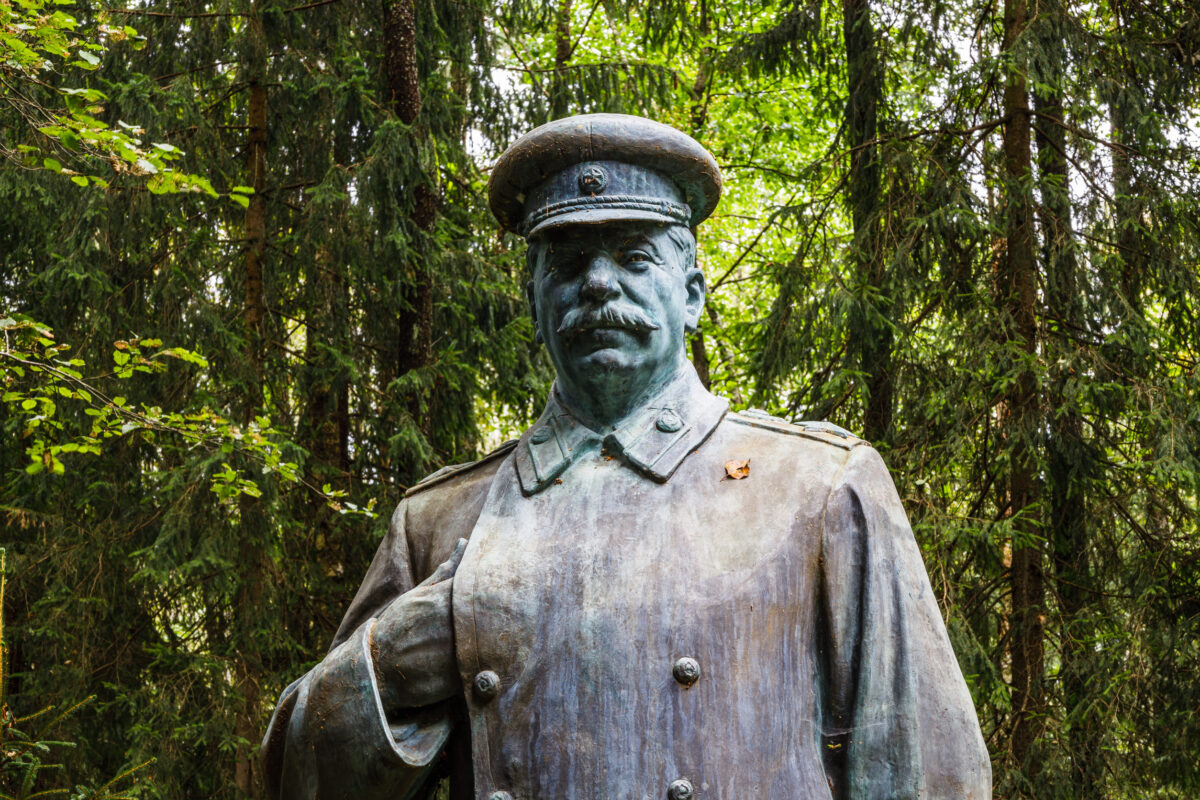
Joseph Stalin did not simply rule the Soviet Union. He created an atmosphere in which the state treated him like the wise father of everything. His image appeared in public spaces, speeches praised him endlessly, and his name became tied to victory, industry, science, and national survival. People learned that showing too little enthusiasm could be dangerous.
The worship around Stalin was not harmless theater. It helped cover fear, purges, forced labor, famine, and political violence. By presenting himself as the genius behind every achievement, Stalin made disagreement look like betrayal. He wanted more than respect from Soviet citizens. He wanted them to believe the country itself could not breathe without him.
Adolf Hitler
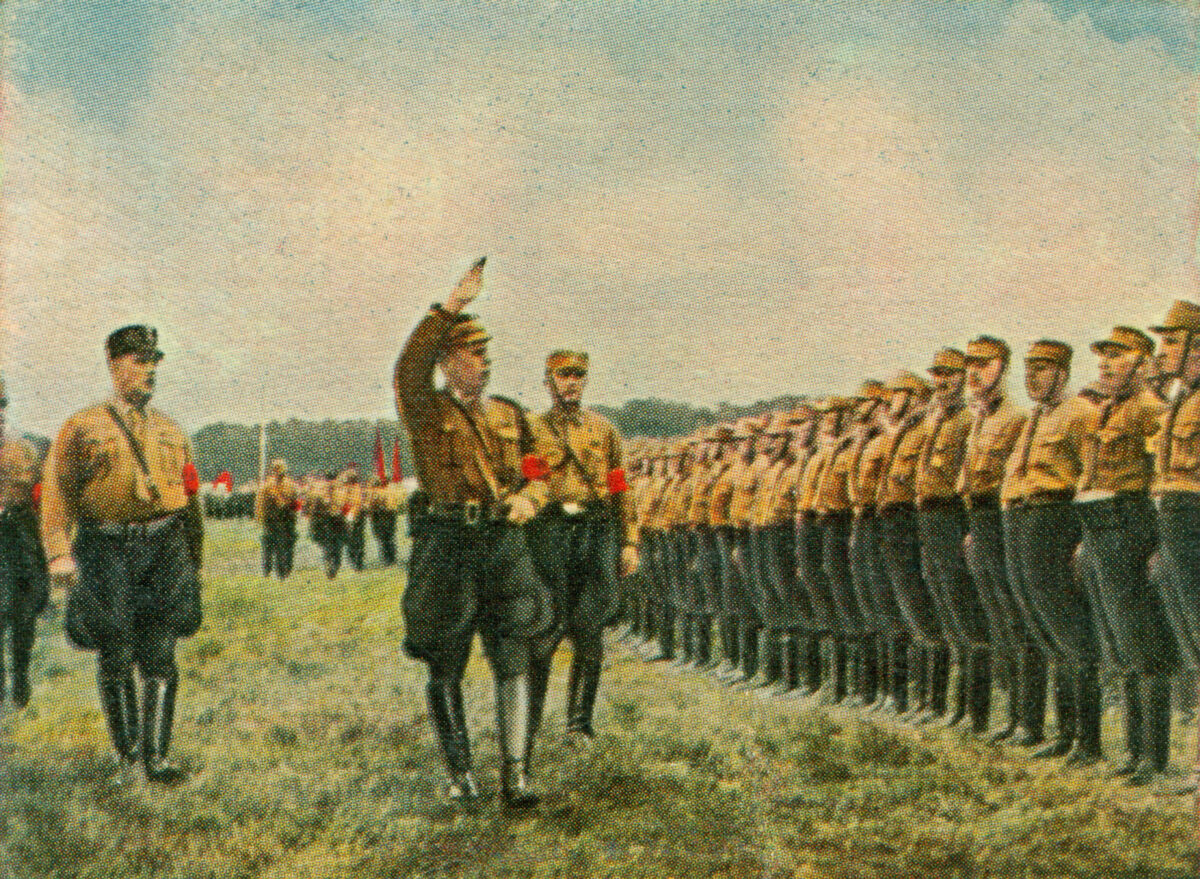
Adolf Hitler’s public image was carefully turned into a symbol of destiny. Nazi propaganda presented him as Germany’s savior, the man who could restore pride, strength, and national purpose after years of humiliation. His portraits, rallies, salutes, and slogans transformed politics into a performance of devotion.
This worship was built on hatred and fear. Hitler’s cult of leadership helped convince millions that loyalty to one man mattered more than conscience, truth, or human life. Once the leader became sacred, cruelty became easier to excuse. His followers were not asked to simply support policies. They were pushed to surrender judgment to the myth of the Führer.
Mao Zedong
Mao Zedong turned political loyalty into mass emotional devotion. During the Cultural Revolution, his image and words became impossible to escape. Students carried his sayings, crowds chanted his praise, and public life revolved around proving loyalty to Maoist thought. In many places, criticism of Mao became almost unthinkable.
The result was chaos wrapped in worship. Families were divided, teachers were humiliated, intellectuals were attacked, and ordinary people learned to perform loyalty for survival. Mao’s power grew through the idea that he was not just a leader, but the living source of revolutionary truth. Respect allows questions. Mao’s system demanded belief.
Kim Il Sung
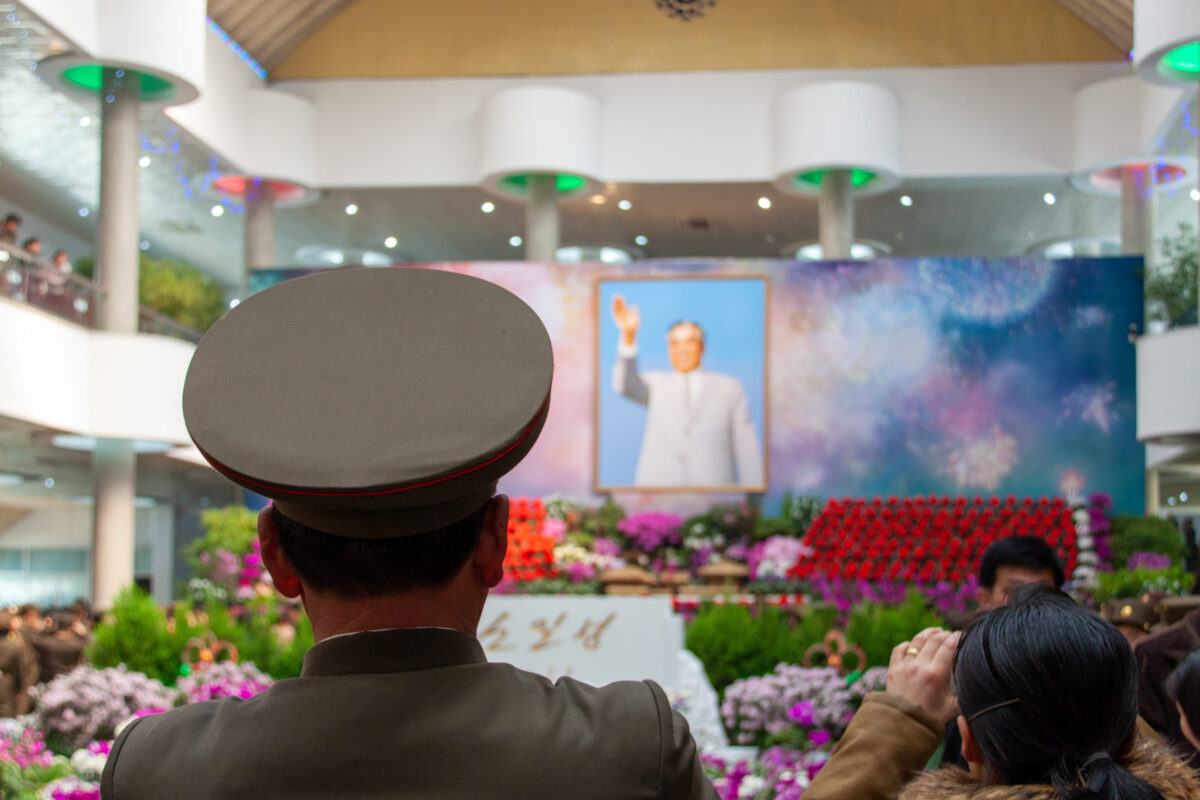
Kim Il Sung built one of the most extreme personality cults of the modern world. In North Korea, his image became part of daily life, official history, education, and national identity. He was presented not only as a founder, but as a fatherly figure whose wisdom supposedly guided every corner of the country.
This kind of worship did not end with his death. It became the foundation for a political dynasty that continued through his family. The state trained citizens to connect loyalty, survival, and patriotism with reverence for the leader. In that system, leadership became inheritance, and devotion became a civic duty.
Benito Mussolini
Benito Mussolini understood the power of spectacle. He crafted himself as “Il Duce,” the strong man who could rescue Italy from weakness and disorder. Public ceremonies, propaganda, speeches, and staged images made him appear tireless, commanding, and almost superhuman. Fascist messaging pushed the idea that Mussolini was always right.
That kind of image was useful because it made ordinary politics look weak. Debate became a sign of national softness. Independent thought became inconvenient. Mussolini wanted Italians to see him as the embodiment of the nation, not just its head of government. The more he inflated his image, the easier it became to silence those who saw the danger.
Saparmurat Niyazov
Saparmurat Niyazov, also known as Turkmenbashi, took leader worship into strange and costly territory in Turkmenistan. His portraits appeared everywhere, landmarks were renamed, and his book, the Ruhnama, became central to public life. Schools, public institutions, and even job systems were drawn into his personal mythology.
His cult of personality showed how absurd authoritarian worship can become. Instead of building a healthy national culture, the state bent itself around one man’s ego. Public money, public attention, and public language were pulled toward glorifying him. Niyazov did not merely want to be president. He wanted the country to revolve around his name.
Nicolae Ceaușescu
Nicolae Ceaușescu built a suffocating personality cult in communist Romania. State media praised him as a genius, visionary, and heroic architect of the nation’s future. His wife, Elena, was also elevated into a public symbol, creating a family-centered version of political worship. The official image was grand, glowing, and deeply detached from daily suffering.
Life for many Romanians told a different story. Shortages of food, heat, medicine, and basic goods made ordinary survival difficult. Still, the regime kept demanding praise. That is the cruel trick of leader worship. It asks people to clap louder while their lives get harder. Ceaușescu wanted admiration so badly that reality itself became an enemy.
Saddam Hussein
Saddam Hussein filled Iraq with his image and built a personality cult around strength, fear, and national destiny. His portraits, statues, murals, and official messaging were designed to make him look unavoidable. The state linked his identity to Iraq itself, making loyalty to the country feel inseparable from loyalty to Saddam.
Behind that image was a brutal security state. Dissent was punished, opposition was crushed, and fear helped hold the performance together. Saddam’s cult was not only about vanity. It was a tool of control. When a ruler becomes the face on every wall, the message is clear. He is watching, he is central, and everyone else must shrink.
Conclusion
The most dangerous leaders rarely begin by asking people to worship them openly. They start by asking for loyalty, then praise, then public performance, then silence. Over time, the line between respect and surrender disappears. A leader becomes a symbol, then a myth, then a figure no one is allowed to question without fear.
These eight leaders show how personality cults can poison countries from the inside. They replace institutions with ego, truth with propaganda, and citizenship with obedience. Strong leadership does not need constant applause. It can survive criticism, admit failure, and share power. The leaders who wanted worship proved the opposite. When a ruler demands to be adored, the people usually pay the price.