‘No Amnesty. Ever’: DHS Chief Markwayne Mullin Faces Conservative Backlash After Oklahoma City Immigration Remarks

A conversation about immigration policy in Oklahoma City quickly became a national political fight after Homeland Security Secretary Markwayne Mullin called for legal immigration reforms while defending the Trump administration’s deportation agenda.
Mullin spoke during the National Governors Association Summer Meeting at the National Cowboy & Western Heritage Museum. His discussion with Oklahoma Gov. Kevin Stitt covered immigration, disaster relief, cybersecurity, drone threats and cooperation between state and federal officials, according to the National Governors Association.
But it was Mullin’s argument for updating America’s immigration system that triggered the strongest reaction. Some conservative voices interpreted his remarks as a possible retreat from President Donald Trump’s promise to carry out mass deportations.
Mullin later answered the criticism with a direct social media message: “NO amnesty for illegal aliens. Ever.”
An Oklahoma City Discussion Turns Into a Political Test
According to report during the Oklahoma City meeting, Mullin argued that America’s immigration system has remained outdated because political divisions have prevented meaningful reform. “Do you really need immigration reform? Yes, you do,” he said.
The secretary then turned to employment visa programs and labor shortages. Mullin said the country should consider “more permanent solutions” and use lawful foreign labor to “plug those holes” in industries where employers cannot find enough available workers.
Those comments sparked the conservative backlash. Critics interpreted Mullin’s support for immigration reform and legal foreign workers as conflicting with the Trump administration’s promise to prioritize mass deportations.
Former Border Patrol official Gregory Bovino argued that voters had delivered an unmistakable mandate. “Voters asked for mass deportations,” he wrote on X, before accusing the DHS secretary of shifting the conversation toward immigration reform.
However, Mullin did not explicitly endorse amnesty during the discussion. He presented legal immigration reform and enforcement as policies that could work together, maintaining that changes to lawful worker programs would not prevent federal authorities from detaining and removing people who are unlawfully present.
The dispute placed Mullin in the middle of a long-running Republican divide. Business groups often support dependable legal-worker programs to address labor shortages, while immigration hardliners fear that reform could weaken enforcement or eventually create protections for undocumented immigrants.
Conservative Voices Demand Mass Deportations
Former Border Patrol official Gregory Bovino became one of Mullin’s most prominent critics following the Oklahoma City appearance as reported by Fox News.
“Voters asked for mass deportations,” Bovino wrote on X. He argued that the administration had received a clear mandate and accused Mullin of shifting the conversation toward immigration reform instead.
Bovino also linked his criticism to broader dissatisfaction among some conservatives over the pace of deportations. His comments reflected the belief that Trump’s election victory created an obligation to prioritize removals over negotiations about legal status or expanded worker programs.
Conservative commentator Robby Starbuck joined the backlash and characterized Mullin’s position as a betrayal. His reaction added pressure from activists who view nearly any discussion of comprehensive reform with suspicion.
Neither critic offered evidence that Mullin had endorsed blanket legal status for undocumented immigrants during the Oklahoma City event. Their objections focused largely on the language he used and the possibility that reform discussions could weaken the deportation campaign.
That distinction is important. Calling for changes to legal employment visas is not automatically the same as supporting amnesty. Still, the political history surrounding immigration reform has made the phrase deeply controversial among many Republican voters.
Mullin Attempts to Draw a Clear Boundary
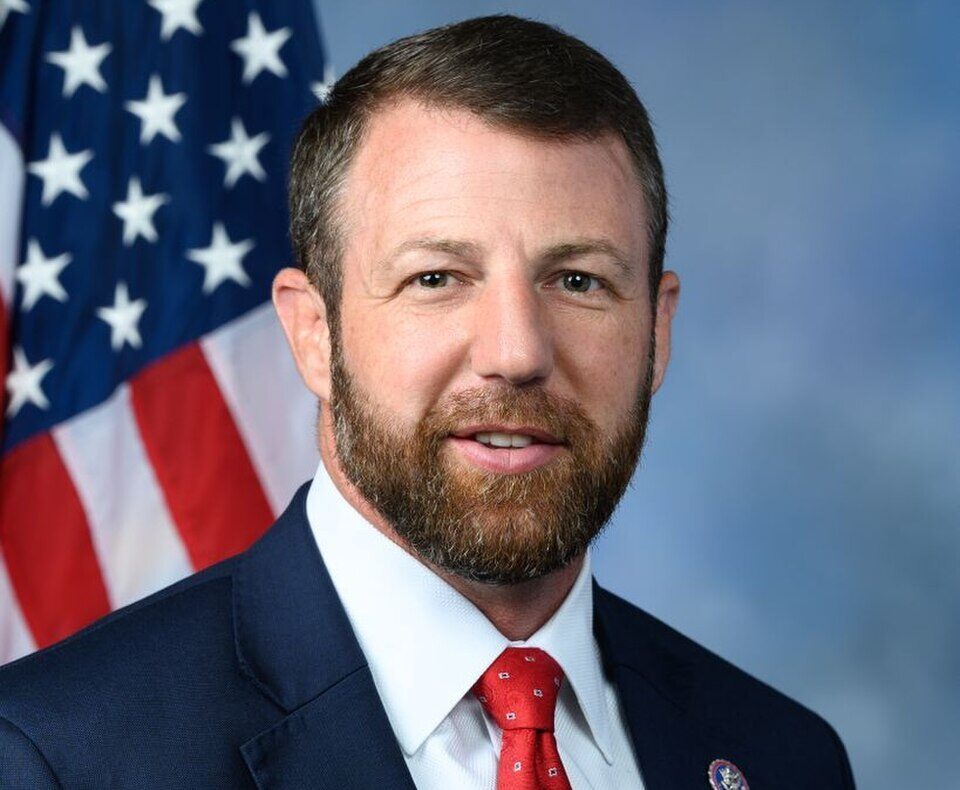
United States House of Representatives, Public domain, via Wikimedia Commons
Mullin repeatedly emphasized that immigrants with criminal records would not receive exemptions from enforcement. He also said people who entered illegally or overstayed visas without pursuing legal status should not expect relief from his department.
Those statements placed deportation firmly inside the policy Mullin described. He argued that the government can enforce existing law while creating a more functional system for people attempting to enter and work legally.
As criticism spread, Mullin sharpened his message online. He said the United States remains a nation governed by laws and warned that people living in the country unlawfully would face detention and deportation.
The clarification was unmistakably tougher than the broader policy language he used during the governors’ meeting. It appeared intended to reassure Trump supporters that legal immigration reform would not replace enforcement.
Fox News reported that the Department of Homeland Security did not immediately provide an additional response to its questions. Mullin’s public statements therefore remained the administration’s primary answer to the controversy.
The dispute is not merely about vocabulary. It reflects competing expectations within the Republican coalition about what immigration success should look like and how quickly the administration should deliver it.
Enforcement Continues Despite the Political Fight
The criticism arrived while federal immigration enforcement operations remained active across the country.
The Associated Press reported that Immigration and Customs Enforcement arrested 10,000 people during five days in late June. The figures were obtained and analyzed by the Deportation Data Project at the University of California, Berkeley.
That surge provides important context. It indicates that deportation-related enforcement continued even as Mullin promoted a quieter public approach and discussed reforming legal immigration programs.
However, enforcement totals alone may not satisfy hardline supporters. Some expect highly visible operations and removals on a scale that matches Trump’s sweeping campaign promises.
Others inside the Republican coalition are focused on labor availability. Agriculture, construction, hospitality and other industries often depend on immigrant workers, making the design of legal visa programs economically significant.
Mullin’s Oklahoma City comments attempted to address both concerns. He presented stronger enforcement and improved legal pathways as policies that could operate together, rather than competing choices.
His critics clearly remain unconvinced.
Oklahoma Finds Itself at the Center of the Debate
Behind the social media fight is a practical question that has challenged both parties for years: Can the United States enforce its border laws, remove people without legal status, and still create workable channels for employers who rely on immigrant labor?
The location gave the controversy a strong Oklahoma connection. Mullin, a former Oklahoma senator, delivered the remarks in his home state while participating in one of the country’s largest gatherings of governors.
Stitt moderated the discussion as state leaders considered issues that directly affect their communities. Immigration decisions made in Washington can shape local labor markets, policing responsibilities and the demands placed on state agencies.
For Oklahoma businesses, the worker shortage question is not an abstract political debate. Employers must decide how to fill available positions while complying with federal hiring and immigration requirements.
For conservative voters, enforcement carries equally powerful significance. Many supported Trump because he promised to secure the border and remove people living in the country unlawfully.
Mullin now faces the difficult task of convincing those groups that legal immigration reform can exist alongside mass deportations. His Oklahoma City appearance demonstrated how quickly that argument can become a test of political loyalty.
The secretary’s position remains clear on paper: legal pathways should be modernized, while people who violate immigration laws should face enforcement. The larger question is whether Trump’s most committed supporters will accept that balance or continue demanding an approach centered almost entirely on deportation.