Markwayne Mullin’s Immigration Speech Exposes A Growing Fight Inside Trump’s Conservative Base
President Donald Trump’s immigration agenda has long been built around a promise of stronger border enforcement and large-scale deportation efforts. But a recent speech by Department of Homeland Security Secretary Markwayne Mullin has triggered a new debate among conservatives over what the next phase of that agenda should look like.
The controversy is not simply about one speech or one political disagreement. It has revealed a deeper divide inside the conservative movement over a major question: should the administration focus almost entirely on enforcement, or should it combine enforcement with broader immigration reforms designed to reshape the system for the future?
The backlash against Mullin, including criticism from former Border Patrol Chief Gregory Bovino, highlights the challenge facing the Trump administration as it attempts to turn campaign promises into government policy.
For supporters demanding aggressive action, immigration enforcement remains the central mission. For others, the debate is about whether enforcement alone can address the complicated realities of America’s immigration system.
Mullin’s Immigration Message Sparks Conservative Pushback
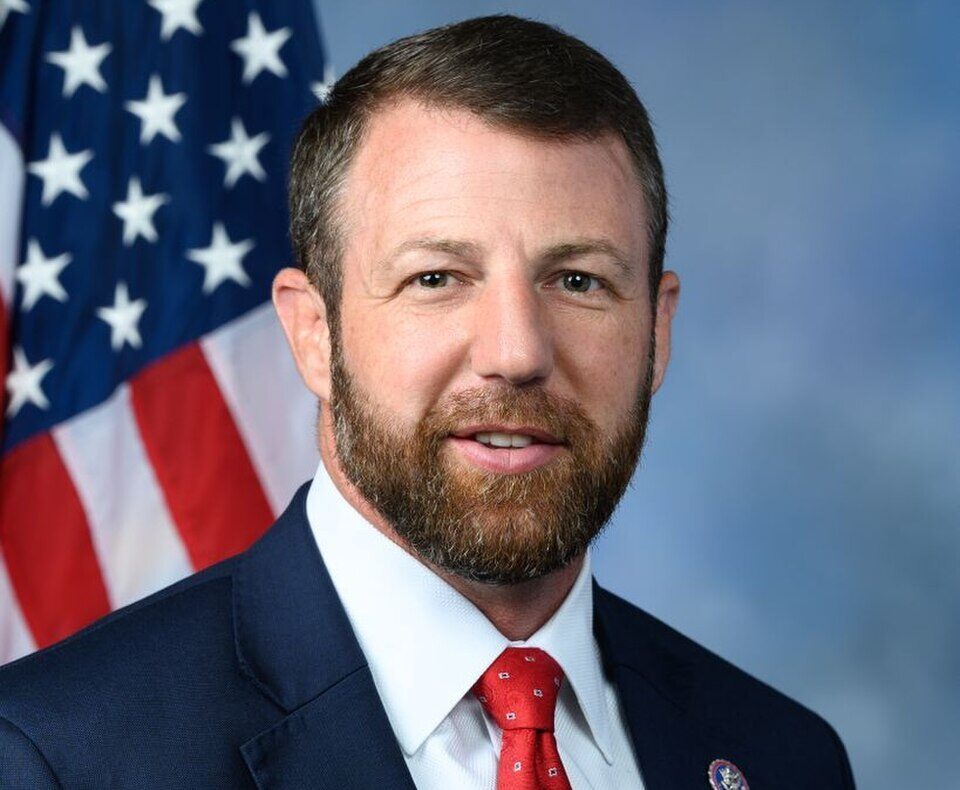
United States House of Representatives, Public domain, via Wikimedia Commons
Markwayne Mullin’s remarks drew attention because immigration remains one of the most politically sensitive issues in the United States. As DHS secretary, Mullin oversees a department responsible for some of the nation’s most important immigration and border security agencies, including Customs and Border Protection, Immigration and Customs Enforcement, and U.S. Citizenship and Immigration Services.
During his remarks, Mullin emphasized the need to address immigration challenges through policy changes. However, some conservative critics interpreted the message as suggesting a possible shift away from a purely enforcement-focused strategy.
Former Border Patrol Chief Gregory Bovino criticized the comments, arguing that discussions about reform could weaken the commitment to mass deportation efforts that many Trump supporters view as a central promise.
The reaction reflects a broader frustration among immigration hardliners who believe the administration was elected with a mandate to increase removals and strengthen border enforcement dramatically.
For those supporters, any suggestion that reform should become part of the conversation raises concerns about whether the government will maintain the level of action they expected.
The Bigger Battle: Enforcement First Or System Reform?
The dispute surrounding Mullin represents a larger ideological debate that has existed within conservative politics for years.
One side argues that the United States must prioritize enforcement above everything else. Supporters of this approach believe previous administrations failed because immigration laws were not consistently applied, creating incentives for illegal entry and overstaying visas.
They argue that stronger enforcement sends a clear message that immigration laws must be respected and that national borders must remain secure.
The other side believes enforcement must be paired with broader reforms. Supporters of this approach argue that immigration is not only a border issue but also involves legal immigration systems, workforce needs, government processing capacity, and long-term planning.
The disagreement can be understood through two competing visions.
The fight over Mullin’s speech is therefore not only about what he said. It is about which vision will shape the future direction of immigration policy.
Trump’s Mass Deportation Promise Meets Government Reality
One of the biggest challenges facing the administration is the difference between political promises and the realities of governing.
During his campaigns, Trump repeatedly promised tougher immigration enforcement and described mass deportation as a major priority. Many supporters see that promise as the reason they supported his return to the White House.
However, carrying out a nationwide immigration strategy involves complex legal, operational, and financial considerations.
DHS must coordinate thousands of employees across multiple agencies while dealing with immigration courts, detention capacity, transportation logistics, and legal requirements.
Large-scale enforcement operations require significant government resources and careful planning. Even supporters of stronger enforcement acknowledge that implementation is a major challenge.
This creates pressure on DHS leadership. Officials must satisfy voters demanding immediate action while managing the practical realities of federal policy execution.
The controversy surrounding Mullin shows how quickly political expectations can collide with the complicated machinery of government.
Why Immigration Has Become A Defining Issue For Conservatives
Immigration has remained one of the most powerful issues within conservative politics because it connects questions about national security, economic concerns, and government responsibility.
Many Trump supporters believe previous immigration policies failed because they allowed illegal crossings to continue and did not sufficiently prioritize enforcement.
For these voters, the promise of mass deportations represents a fundamental change in how the government approaches immigration.
However, other conservatives have questioned whether a successful immigration system can rely only on enforcement actions.
They argue that the United States also needs improvements to legal immigration channels, faster processing systems, and policies that address the long-term challenges affecting the country.
The disagreement does not necessarily mean conservatives disagree on border security. Instead, it reflects competing ideas about how to achieve a secure and functional immigration system.
DHS Faces Pressure From Both Supporters And Critics

The Department of Homeland Security now finds itself at the center of one of the administration’s most closely watched policy debates.
Every statement from DHS leadership carries political consequences because the department is responsible for turning immigration priorities into real-world operations.
If officials emphasize enforcement, supporters may view it as evidence that campaign promises are being fulfilled. If officials discuss reform, some activists may question whether the administration is changing direction.
This puts leaders like Mullin in a difficult position. They must communicate a clear policy message while navigating competing expectations from lawmakers, activists, law enforcement communities, and voters.
The controversy also demonstrates how immigration policy is rarely only about legislation. It is also about public trust and whether supporters believe elected officials are following through on their promises.
What The Mullin Controversy Could Mean For Trump’s Immigration Agenda
The backlash against Markwayne Mullin’s immigration speech may represent an early test for how the Trump administration manages disagreements within its own coalition.
The central question moving forward is whether the administration’s immigration strategy will be defined primarily by deportation efforts or by a broader restructuring of the immigration system.
Supporters of strict enforcement will continue demanding visible action at the border and inside the country. Others will push for policies that combine security measures with long-term reforms.
As DHS moves forward, officials will likely face continued pressure to explain how enforcement and reform fit together.
The debate surrounding Mullin’s comments shows that even among immigration supporters, there is no single agreement about what success looks like.
The future of Trump’s immigration agenda may depend not only on how many enforcement actions take place, but also on whether the administration can unite different factions around a common vision for America’s immigration system.