Joe Manchin Rejects Socialist Candidates as Democrats Face a Defining Battle Over Their Future
Former West Virginia Sen. Joe Manchin has drawn a clear line in America’s growing political debate, saying he would never support a socialist candidate and warning Democrats against embracing what he described as “crazy” positions that could push the party away from everyday voters.
But Manchin’s comments represent more than a disagreement over political labels. They reveal a much larger struggle inside the Democratic Party over its identity, its future electoral strategy, and whether the party should move toward progressive transformation or return to the moderate approach that once defined many of its successful candidates.
For Manchin, the debate is personal. The former senator spent decades building a political career in West Virginia, a state where Democrats once dominated but where Republicans have become increasingly powerful. His political survival depended on appealing to voters who often valued economic security, energy jobs, and bipartisan problem-solving over ideological battles.
His warning against socialism reflects the concerns of many moderate Democrats who fear the party could lose working-class voters if it becomes associated with policies they view as too far left.
Joe Manchin’s Warning Comes From A Lifetime In Moderate Politics
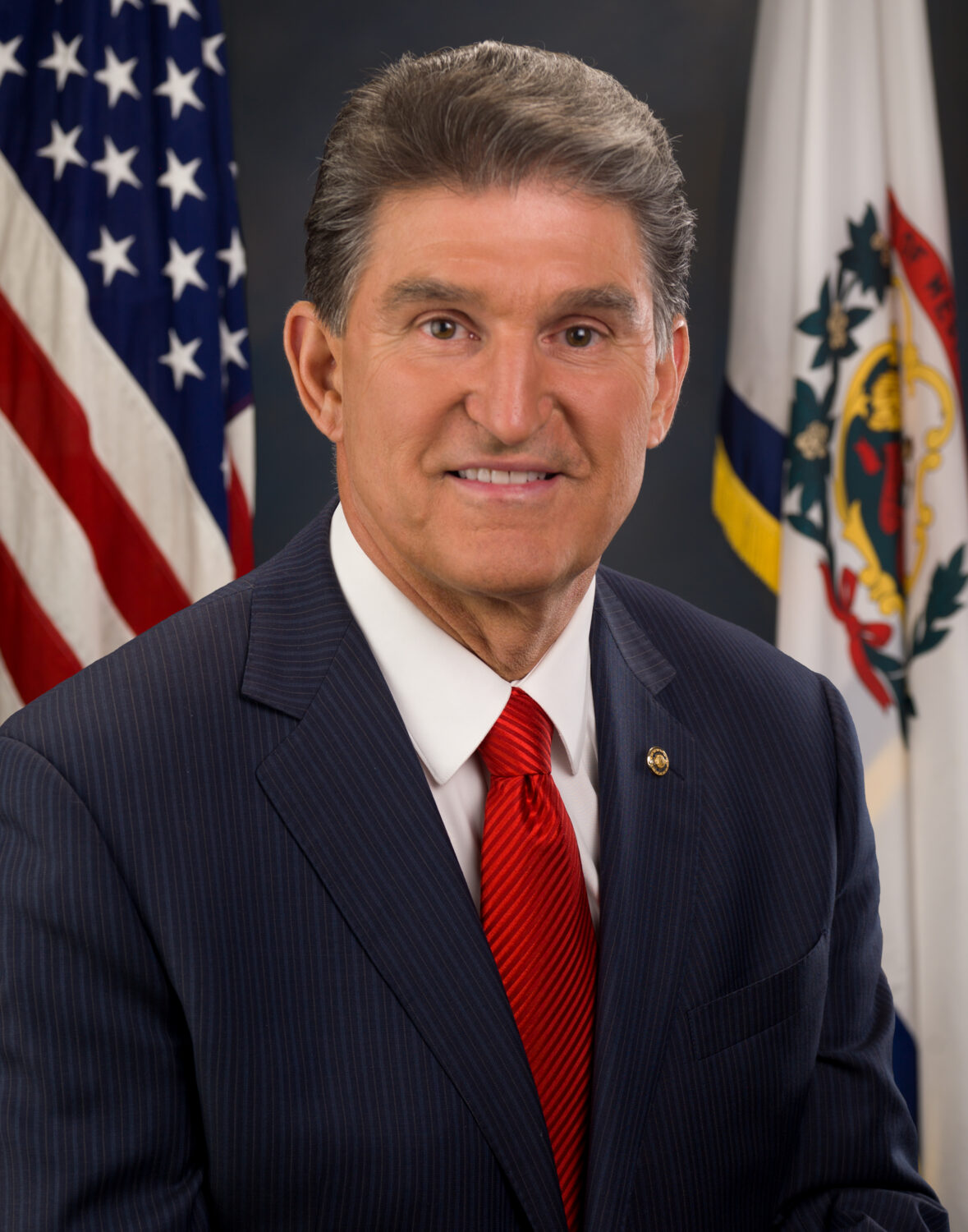
Joe Manchin has long been considered one of the most independent voices within the Democratic Party. During his time in the Senate, he frequently challenged members of his own party, arguing that political decisions should be based on practical results rather than strict loyalty to party ideology.
Representing West Virginia shaped Manchin’s approach. The state has deep connections to industries such as coal, natural gas, manufacturing, and energy production, sectors that have often been at the center of debates between moderate Democrats and progressive activists.
Manchin repeatedly argued that policies affecting American workers should consider the economic realities of local communities. His critics viewed some of his positions as obstacles to Democratic priorities. At the same time, his supporters saw him as a politician willing to challenge his own party when he believed policies could hurt workers.
His opposition to socialist candidates follows the same pattern. Manchin has consistently argued that Democrats must remain connected to voters who prioritize economic stability, job creation, and affordability.
The former senator’s message is essentially that political movements cannot succeed if they lose touch with the concerns of ordinary voters.
West Virginia Helped Shape Manchin’s Political Philosophy
To understand Manchin’s criticism of socialist candidates, it is important to understand the political environment that produced him.
West Virginia was once considered a Democratic stronghold, particularly among working-class voters connected to labor unions and industrial communities. Over the years, however, the state shifted dramatically toward Republican candidates as national political debates changed.
Manchin remained one of the few Democrats able to maintain statewide support for decades. His success came from a political style built around local issues rather than national ideological fights.
His approach focused heavily on:
- Protecting jobs connected to traditional industries.
- Supporting infrastructure and economic development.
- Promoting bipartisan negotiations.
- Appealing to voters across party lines.
This background helps explain why Manchin views political labels differently from some progressive Democrats. While some activists believe the party must embrace larger structural changes, Manchin has argued that candidates must first convince voters that their policies will improve daily life.
For him, winning elections requires speaking to communities where ideological language may matter less than practical economic concerns.
The Growing Divide Between Democratic Moderates And Progressives
Manchin’s comments highlight a conflict that has become increasingly visible within Democratic politics.
On one side are moderate Democrats who believe the party must focus on broad voter appeal, especially among independents and working-class communities. They argue that elections are often decided by voters who are uncomfortable with dramatic ideological shifts.
On the other side are progressive Democrats and groups such as the Democratic Socialists of America, who argue that traditional politics has failed to address major challenges such as housing affordability, healthcare costs, income inequality, and corporate influence.
Progressive activists often support policies involving expanded government programs, stronger labor protections, and greater public investment. They argue that these approaches are necessary because existing systems have not solved many economic problems facing Americans.
Moderates, however, warn that moving too far in that direction could create political challenges, especially among voters who are skeptical of larger government involvement.
The disagreement is not simply about policy. It is about competing beliefs over how political parties win support.
The debate has become one of the defining questions facing Democrats as they attempt to build a coalition capable of winning future elections.
Why The Word “Socialism” Remains A Political Flashpoint
Few political words create as much disagreement in America as “socialism.”
For critics like Manchin, socialism represents a move toward excessive government control and policies that could weaken free-market principles. They argue that Democrats risk losing support if they embrace a political identity that many voters associate with government expansion.
Progressive supporters, however, often make a distinction between socialism and democratic socialism. They argue that their preferred policies focus on expanding programs within a democratic system rather than replacing capitalism entirely.
The disagreement over the term has become especially important because political labels can influence how voters view candidates before they examine specific policies.
A candidate supporting expanded healthcare access, stronger worker protections, or affordable housing programs may receive very different reactions depending on whether voters interpret those ideas as social investment or government overreach.
This is why Manchin’s criticism resonates with moderate Democrats. They believe language matters and that candidates must carefully consider how their messages are received outside activist circles.
Working-Class And Independent Voters Remain The Key Battleground
At the center of the debate are millions of voters who do not strongly identify with either political wing.
Independent voters, suburban voters, and working-class communities often decide elections, particularly in competitive states. Many of these voters focus less on ideological debates and more on questions such as:
Can I afford groceries?
Can I find affordable housing?
Will my job remain secure?
Will my healthcare costs become manageable?
Manchin argues that Democrats cannot ignore these concerns while focusing primarily on ideological debates.
His supporters believe the party’s future depends on reconnecting with voters who feel disconnected from political elites. Progressive activists, meanwhile, argue that bold policies are exactly what those voters need.
The disagreement reflects a larger challenge facing modern political parties: balancing passionate supporters with the broader electorate required to win elections.
What Joe Manchin’s Message Means For The Democratic Party’s Future
Joe Manchin’s rejection of socialist candidates is ultimately part of a much bigger conversation about where Democrats go next.
The party faces pressure from progressive activists demanding bigger changes while also trying to maintain support among moderate voters who prefer a more cautious approach.
Manchin’s warning suggests that some Democrats believe the path forward requires returning to a message centered on economic practicality, compromise, and broad voter appeal.
Progressives believe the future requires a more ambitious agenda capable of addressing problems they argue have been ignored for too long.
The outcome of this internal debate could shape Democratic campaigns for years to come. Whether the party moves closer to Manchin’s moderate vision or embraces a more progressive direction will depend largely on what voters ultimately reward at the ballot box.
For now, Manchin’s message remains clear: he believes Democrats risk losing their connection with ordinary Americans if they allow ideology to replace practical solutions.